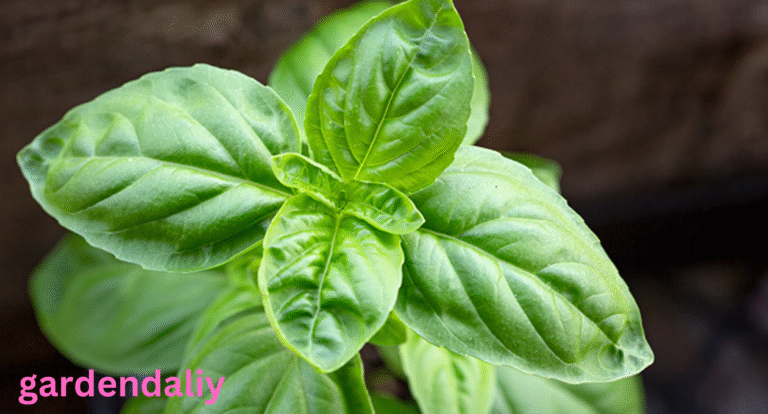
Basil shortage, a beloved herb used in everything from pasta to salads to pesto, has suddenly become harder to find in many markets. Chefs, home cooks, and food manufacturers are all feeling the pinch as supplies tighten and prices rise. The basil shortage has sparked concern across the culinary world, leaving many wondering: What exactly is happening?
click in link Broccoli Shortage
What Is Causing the Basil Shortage?
The shortage is the result of several overlapping issues that have disrupted basil production and distribution across multiple regions.
1. Widespread Crop Diseases
One of the biggest contributors is downy mildew, a fungal-like disease that spreads rapidly in warm, humid environments. This pathogen can destroy entire basil crops within days, making it extremely difficult for farmers to maintain healthy yields. Once infected, fields often require full replanting.
2. Unpredictable Weather and Climate Changes
Extreme temperature fluctuations, heavy rainfall, and prolonged humidity create perfect conditions for diseases to thrive and harm delicate basil plants. Drought in some regions and excessive rain in others have made it increasingly challenging for farmers to maintain stable production levels.
3. Supply Chain Disruptions
Even when basil crops survive environmental challenges, transporting fresh herbs requires quick, efficient logistics. Labor shortages, fuel price spikes, and delays in shipping have all contributed to basil arriving late or spoiled, further reducing available supply.
4. Rising Demand in the Food Industry
Global cuisine trends and the growing popularity of plant-based, fresh, and homemade dishes have significantly increased demand for basil. Restaurants, packaged food companies, and home gardeners all rely on steady basil availability, and a sudden dip in production creates a large gap between supply and demand.
How the Basil Shortage Affects Consumers
The shortage has a ripple effect that reaches far beyond supermarket shelves.
1. Higher Prices for Fresh Basil and Pesto
With limited supply, the price of fresh basil has jumped in many regions. Prepared products that rely heavily on basil—such as pesto, sauces, and herb blends—have also increased in price.
2. Reduced Availability in Stores and Restaurants
Many grocery stores receive smaller quantities than usual or temporarily run out. Restaurants may alter menu items, remove basil-heavy dishes, or reduce garnish portions due to limited stock.
3. Lower Quality and Smaller Bunches
When supply is strained, available basil may be harvested earlier or transported under less-than-ideal conditions, leading to smaller leaves, reduced aroma, or quicker spoilage.
Impact on Farmers and Growers
Basil farmers face their own challenges amid the shortage.
1. Financial Losses From Crop Failures
Diseases like downy mildew can wipe out large sections of a farm’s yield, causing substantial financial setbacks. Replanting and treatment increase costs and labor needs.
2. Pressure to Shift Growing Methods
Many growers are turning to indoor hydroponic or greenhouse systems to protect basil from disease and climate effects. While effective, these systems require significant investment, making them difficult for small farmers to adopt.
3. Difficulty Meeting Commercial Demand
Large food manufacturers rely on consistent basil supply, and farmers must balance fluctuating demand with unpredictable growing conditions—an increasingly difficult task.
Possible Solutions and the Future of Basil Production
To address the shortage, both farmers and researchers are exploring new strategies.
1. Disease-Resistant Basil Varieties
Scientists are developing basil strains that are more resistant to downy mildew and other pathogens. These new varieties could help stabilize production in the coming years.
2. Controlled-Environment Agriculture
Greenhouses, vertical farms, and hydroponic systems offer better control over temperature, humidity, and pests. Though costly, they represent a promising long-term solution.
3. Improved Supply Chain Efficiencies
Better refrigeration, faster transport, and reducing labor bottlenecks can help ensure that harvested basil reaches consumers in optimal condition.
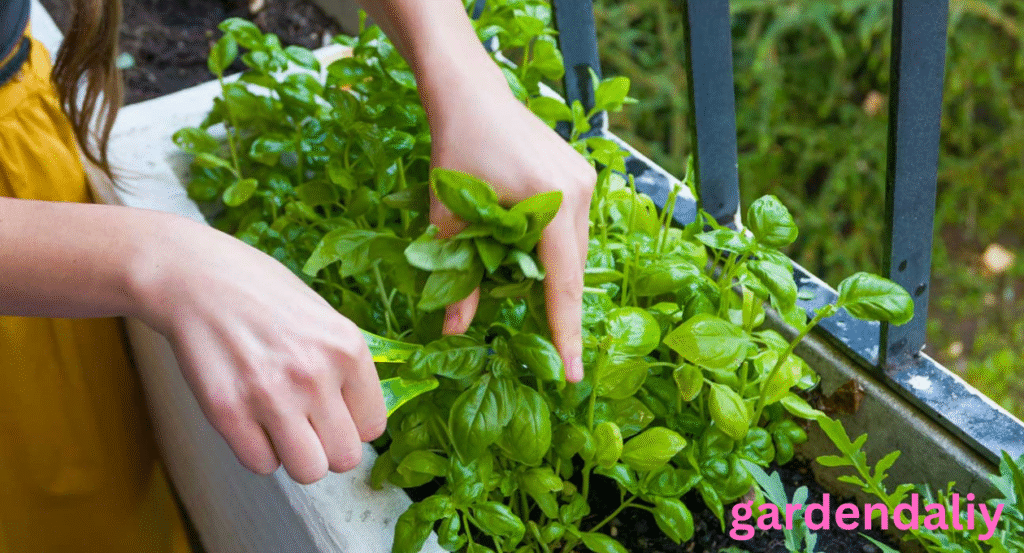
4. Local and Home Gardening
As interest in self-grown herbs rises, more consumers are planting basil at home. This not only reduces reliance on commercial supply but also encourages sustainable food practices.
Conclusion
The basil shortage is more than a temporary inconvenience—it is a clear sign of how fragile herb production can be in the face of climate shifts, crop diseases, and global supply chain challenges. As farmers work to adapt through improved growing techniques and disease-resistant varieties, consumers may continue to see fluctuations in availability and price. However, with increased awareness, sustainable farming practices, and investment in modern agricultural solutions, the future of basil production can become more resilient and dependable. Understanding the factors behind the shortage helps everyone—from home cooks to restaurateurs—make informed choices while supporting a stronger, healthier food system.
click in link Broccoli Shortage
FAQs
1. Why is there a basil shortage?
The shortage is mainly caused by crop diseases like downy mildew, unpredictable weather conditions, and supply chain issues that reduce the amount of fresh basil reaching stores.
2. Which regions are most affected?
Areas that rely heavily on imported basil or regions facing severe humidity and disease outbreaks tend to experience the shortage most prominently.
3. Is downy mildew really that harmful?
Yes. Downy mildew can destroy entire basil crops within days. Once it spreads, farmers often must remove affected plants and replant from scratch.
4. Will basil prices continue to rise?
Prices may remain high as long as supply is limited. Once crops recover and logistics improve, prices are expected to stabilize.
5. Are basil alternatives available?
Yes. Herbs like spinach, parsley, Thai basil, or arugula can offer similar flavors in certain dishes, though they won’t perfectly replicate traditional basil.