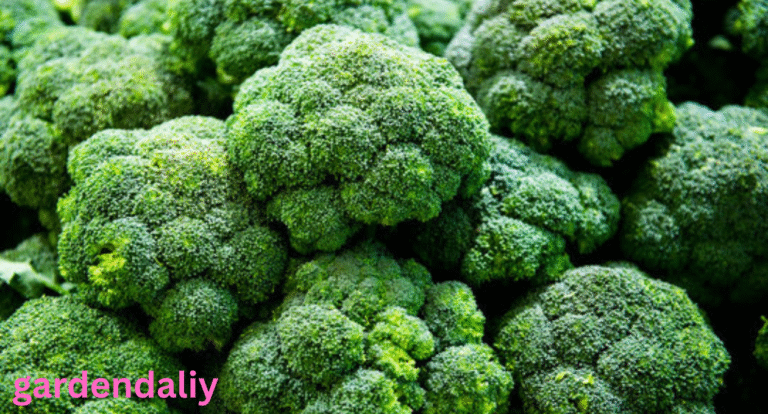
Over the past few months, shoppers have noticed something unexpected in the fresh-produce aisles: broccoli is missing, limited, or suddenly much more expensive. What was once a reliable staple in healthy households has become harder to find, sparking concern among consumers, restaurants, and grocers alike. So why is there a broccoli shortage, and what does it mean for the future of our food supply?
click in link Garlic Shortage
Climate Change Is Hitting Crucial Growing Regions
The primary force behind the current broccoli shortage is unpredictable and extreme weather. Broccoli is a cool-weather crop. It thrives in moderate temperatures between 18–23°C (65–75°F). Unfortunately, many of the world’s key broccoli-producing regions—such as California’s Salinas Valley, parts of Mexico, and agricultural zones in Europe—have faced climate instability, including:
- Heatwaves that stress the plants and damage the heads
- Heavy rainfall or flooding that delays planting and harvests
- Droughts that limit irrigation and stunt growth
- Cold snaps that shock developing crops
When farmers cannot control temperature and moisture, yields plummet. Even a shift of a few degrees during sensitive growth phases can mean thousands of acres of broccoli that never reach market quality.
Supply Chain Woes Are Making the Situation Worse
Even when farms manage to produce healthy crops, global supply chain conditions have not returned to pre-pandemic stability. The agricultural sector continues to face:
- Transportation delays and elevated fuel prices
- Labor shortages in harvesting, packing, and logistics
- Higher costs for fertilizer, seeds, and maintenance
Broccoli has a relatively short shelf life and requires careful, cooled transport. Any disruption in cold-storage logistics can lead to spoilage, shrinking the amount that actually reaches stores.
The supply chain isn’t broken—but it’s strained. And when supply tightens at multiple points, shortages become inevitable.
Rising Demand Is Outpacing Available Supply
While supply falls, demand for broccoli has reached record highs. Consumers across the globe have become increasingly focused on health and immunity, especially post-pandemic. Broccoli checks all the boxes:
- Packed with vitamin C, K, and A
- Full of antioxidants
- Rich in fiber
- Versatile in cooking
It’s not just households, either. Restaurants, cafeterias, and meal-prep companies lean heavily on broccoli as a low-cost, nutrient-dense side. With demand climbing and supply falling, prices surge and supermarket shelves empty faster.
Farmers Are Struggling with Inputs and Costs
Growing produce has never been more expensive. The last three years have seen rising costs for nearly every input farmers need. Broccoli growers, in particular, have faced:
- A 40–60% increase in fertilizer prices in some regions
- Increased labor wages due to shortages
- Higher fuel and equipment maintenance costs
- Greater spending on pest control due to changing climate patterns
For smaller farms, these cost pressures make broccoli a less profitable crop to maintain. Some have switched to hardier produce that can tolerate difficult weather and require fewer resources.
This reduction in planted acreage contributes directly to the current shortage.
What This Means for Consumers
If you’ve noticed broccoli prices creeping upward or only small quantities available, you’re not imagining it. Here’s what you can expect in the short term:
- Higher prices as suppliers try to cover rising costs
- Inconsistent availability, especially in smaller grocery chains
- More frozen broccoli options replacing fresh displays
- Lower-quality heads as stores accept produce they would once have rejected
But all is not lost. Broccoli shortages tend to be temporary, depending heavily on seasonal weather. If upcoming planting and harvest cycles stabilize, supply could normalize within a few months.
What You Can Do in the Meantime
While the shortage continues, consider these practical alternatives:
1. Try Nutrient-Rich Substitutes
Plenty of vegetables offer similar nutritional benefits:
- Cauliflower
- Brussels sprouts
- Kale
- Spinach
- Green beans
These can work well in stir-fries, steamed dishes, or roasted vegetable trays.
2. Choose Frozen Broccoli
Frozen vegetables are harvested at peak freshness and often provide equal or better nutrition than fresh produce affected by drought or heat.
3. Buy Local When Possible
Local farmers’ markets may have small-scale growers whose harvests haven’t been as affected by the larger-scale supply chain problems.
4. Grow Your Own
If you have outdoor space, broccoli can be surprisingly manageable for home gardeners—given the right season (cooler months) and steady watering.
Conclusion
The current broccoli shortage is the result of several overlapping issues—climate instability, rising farm costs, supply chain delays, and growing global demand. While it may be frustrating to see higher prices or limited stock, this shortage also highlights the challenges faced by farmers and the importance of building a more resilient food system. The good news is that shortages like this are usually temporary. As weather conditions improve and supply chains stabilize, broccoli availability is expected to return to normal. Until then, choosing substitutes, buying frozen, and supporting local growers can help you navigate the shortage without sacrificing nutrition.
click in link Garlic Shortage
FAQs
1. Why is there a broccoli shortage right now?
The shortage is mainly due to extreme weather, rising farming costs, labor shortages, and supply-chain disruptions affecting major broccoli-growing regions.
2. How long will the broccoli shortage last?
It depends on seasonal weather conditions and harvest cycles. Many shortages ease within a few months, but climate-related issues could cause recurring disruptions.
3. Why is broccoli so expensive lately?
With lower supply and high demand, prices naturally rise. Higher transportation, fertilizer, and labor costs also contribute.
4. Is frozen broccoli a good alternative?
Yes. Frozen broccoli is picked at peak freshness and often retains more nutrients than fresh produce affected by poor weather.
5. What vegetables can replace broccoli?
Great substitutes include cauliflower, Brussels sprouts, kale, spinach, and cabbage.
6. Are restaurants affected by the broccoli shortage?
Yes. Many restaurants have reduced broccoli-based menu items or adjusted portion sizes due to high prices and limited availability.