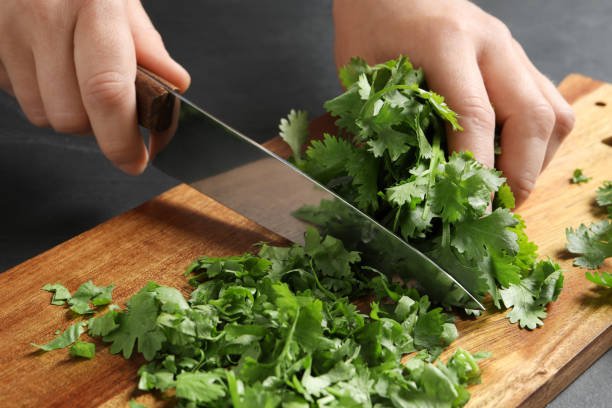
The cilantro shortage has emerged as a significant concern worldwide, affecting consumers, restaurants, and suppliers alike. Known for its fresh aroma and unique flavor, cilantro—also referred to as coriander leaves—is a staple ingredient in many cuisines, including Mexican, Indian, Middle Eastern, and Southeast Asian dishes. Its shortage has led to rising prices, limited availability, and disruptions across the food industry. This article provides a detailed analysis of the causes, impact, and possible solutions to the cilantro shortage in 2025.
click in link Green Onion Shortage
Understanding the Cilantro Shortage
Cilantro is a delicate herb that grows best under moderate temperatures with well-drained soil. Its cultivation is highly sensitive to environmental conditions, and any disruption in weather, labor, or logistics can significantly affect supply. Over the past year, several factors have converged to create a global shortage, putting pressure on the entire supply chain.
Causes of the Cilantro Shortage
1. Extreme Weather Conditions
One of the most prominent causes of the cilantro shortage is unpredictable weather patterns. Major cilantro-producing regions have faced a combination of:
- Heatwaves, causing the plant to bolt (flower prematurely), reducing leaf production
- Heavy rainfall and flooding, destroying crops and washing away nutrients
- Unexpected cold snaps, slowing plant growth and delaying harvests
Because cilantro has a short growing cycle, even minor environmental disruptions can lead to significant reductions in yield.
2. Labor Shortages
The shortage of skilled agricultural labor has further exacerbated the issue. Factors include:
- Seasonal workers moving to higher-paying industries
- Migration restrictions due to health or political reasons
- Reduced workforce availability for planting and harvesting
- Increased labor costs, forcing some farmers to cut back on production
Without adequate labor, farmers struggle to harvest cilantro at the right time, leading to losses and inconsistent supply.
3. Rising Farming and Production Costs
Farmers face increasing costs for:
- Fertilizers and soil nutrients
- Water and irrigation systems
- Fuel for machinery and transportation
- Packaging and cold storage
These rising expenses have led many farmers to reduce cilantro cultivation, limiting the volume available to wholesalers and retailers.
4. Supply Chain Disruptions
Cilantro is highly perishable, and any delay in the supply chain reduces its availability. Recent challenges include:
- Shipping delays and port congestion
- Limited cold storage facilities during transport
- Shortages of packaging materials
- Border inspections slowing down exports
These disruptions have led to spoilage and reduced the amount of fresh cilantro reaching markets on time.
5. Disease and Pests
Certain cilantro-growing regions have reported outbreaks of fungal infections and pest infestations, which damage the crop and lower overall quality. Disease control requires time, resources, and investment, further straining supply.
Global Impact of the Cilantro Shortage
1. Rising Retail Prices
Consumers worldwide are experiencing higher cilantro prices due to the imbalance between supply and demand. In some markets, prices have doubled or even tripled, impacting households that rely on cilantro as a regular ingredient.
2. Effects on Restaurants and Food Services
Restaurants, especially those specializing in cuisines like Indian, Mexican, Middle Eastern, and Southeast Asian, are adjusting menus in response to the shortage by:
click in link Green Onion Shortage
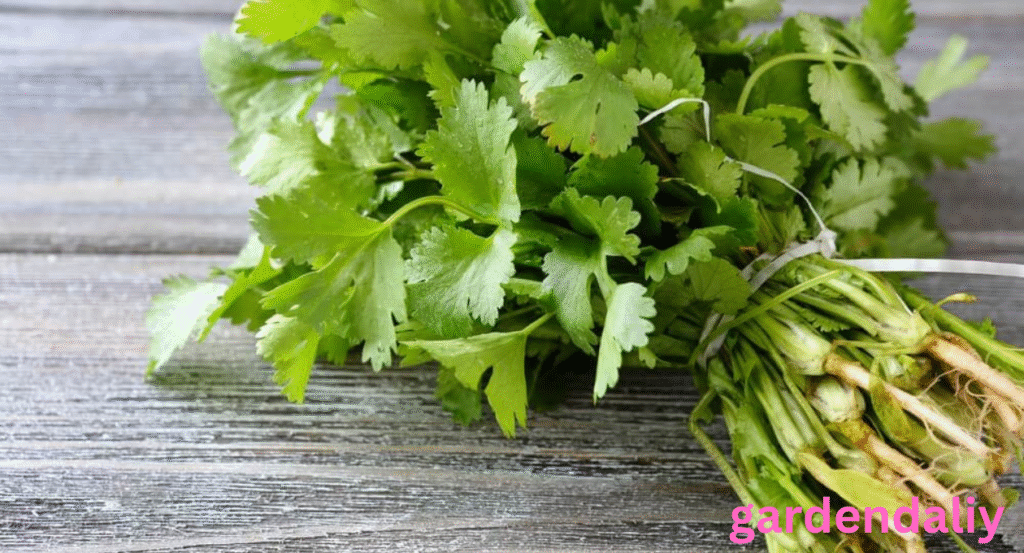
- Reducing cilantro portions
- Substituting with alternative herbs
- Removing cilantro-heavy dishes temporarily
- Increasing menu prices to offset costs
3. Limited Availability in Markets
Supermarkets and local vendors report:
- Smaller cilantro bundles
- Lower-quality leaves
- Empty shelves on peak days
- Purchase restrictions to prevent hoarding
This limited availability has forced many consumers to seek alternatives or grow their own cilantro at home.
4. Impact on the Food Manufacturing Industry
Processed food manufacturers, including those producing sauces, ready-to-eat meals, and condiments, are facing challenges due to reduced cilantro supply. This has caused recipe reformulations, slower production, and sometimes temporary halts in product lines.
Regional Analysis of the Shortage
North America
Shortages in Mexico, California, and other key suppliers have affected both the U.S. and Canada. Supply gaps are causing higher prices in supermarkets and a limited variety of cilantro products.
Asia
India, Pakistan, and Bangladesh have experienced crop failures due to extreme heat and rainfall. Domestic shortages affect both retail markets and restaurant supply.
Europe
Rising transportation costs, combined with import delays, have reduced cilantro availability in many European countries. Fresh cilantro is now considered a premium product in some regions.
Middle East
Countries heavily reliant on imports are seeing severe shortages and high retail prices, impacting households and food service sectors.
Alternatives to Cilantro
When fresh cilantro is unavailable, consumers and chefs can use substitutes without significantly compromising flavor:
- Parsley – mild flavor, works in salads and garnishes
- Culantro – stronger flavor, similar aroma
- Mint – good for chutneys, sauces, and salads
- Basil – suitable for Mediterranean and Asian dishes
- Coriander seeds – provides flavor in cooked dishes
These alternatives can reduce reliance on scarce cilantro and help maintain dish quality.
Solutions and Strategies
1. Investing in Controlled Farming
Hydroponic and greenhouse cultivation allows year-round production, protects crops from extreme weather, and increases yield per square meter.
2. Supporting Agricultural Labor
Providing fair wages, training programs, and seasonal worker support can ensure adequate labor for planting and harvesting.
3. Improving Supply Chain Management
Streamlining transportation, investing in cold storage, and diversifying import regions can prevent delays and reduce spoilage.
4. Consumer Practices
- Properly store cilantro in airtight bags or jars
- Freeze chopped cilantro for future use
- Regrow cilantro at home from stems
- Use substitutes when fresh cilantro is scarce
These measures help consumers cope with shortages and reduce waste.
Future Outlook
The cilantro shortage is expected to continue through late 2025, depending on climate conditions, labor recovery, and supply chain improvements. Long-term solutions such as greenhouse farming, hydroponics, and better logistics may stabilize supply and prevent future shortages.
Conclusion
The cilantro shortage is a complex issue caused by weather extremes, labor scarcity, rising costs, and supply chain disruptions. Its effects are visible globally, from households to restaurants to food manufacturing. While the shortage may persist in the short term, consumers, farmers, and businesses can adapt through smart alternatives, improved storage, and modern farming techniques.
faqs
1. Why is there a cilantro shortage?
The shortage is primarily caused by extreme weather, labor shortages, rising farming costs, supply chain disruptions, and crop diseases. Heatwaves, heavy rainfall, and cold snaps have damaged crops in major cilantro-producing regions.
2. Which countries are most affected by the shortage?
Countries dependent on imports, such as the United States, Canada, Europe, and Middle Eastern nations, are facing the greatest impact. Asian countries like India, Pakistan, and Bangladesh also experience local shortages due to climate-related crop losses.
3. Why are cilantro prices increasing?
Limited supply and high demand, combined with rising costs for labor, transportation, and farming inputs, have driven up prices in supermarkets, markets, and restaurants worldwide.
4. Are restaurants affected by the cilantro shortage?
Yes. Many restaurants, especially those serving Mexican, Indian, Middle Eastern, and Southeast Asian cuisine, have reduced cilantro portions, substituted with alternative herbs, or temporarily removed cilantro-heavy dishes.
5. What are good substitutes for cilantro?
Popular alternatives include:
- Parsley – mild and versatile
- Culantro – stronger flavor, similar aroma
- Mint – good for sauces and salads
- Basil – works in Mediterranean and Asian dishes
- Coriander seeds – adds flavor to cooked meals