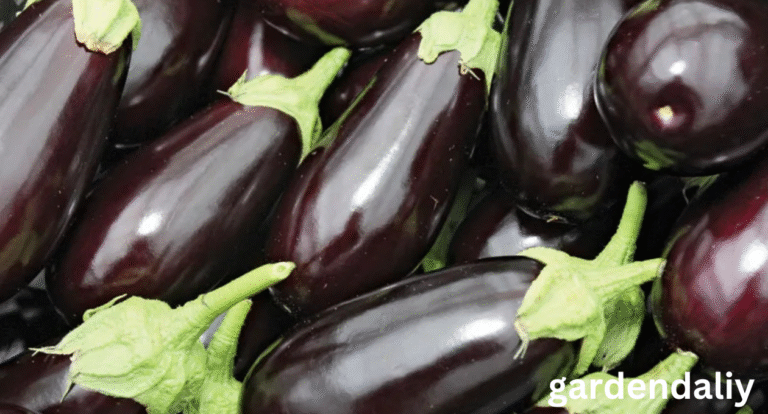
Eggplants—those glossy purple vegetables that add magic to Mediterranean dishes and Asian stir-fries—have become surprisingly hard to find in markets lately. From local grocery stores to high-end restaurants, many are asking: Where have all the eggplants gone? The eggplant shortage has stirred conversations worldwide, affecting both home cooks and commercial kitchens. Let’s dive into what’s behind this unexpected scarcity, how it’s impacting consumers, and what the future might hold.
click in link gardendaliy
Understanding the Eggplant Shortage
The current eggplant shortage didn’t just happen overnight. A combination of weather disruptions, transportation challenges, and increased demand has led to a significant drop in supply. In several major producing regions, including India, Italy, and parts of the United States, unpredictable climate patterns—like heatwaves, droughts, and heavy rainfall—have drastically reduced yields.
In addition, rising fuel prices and global shipping delays have made it harder for farmers to get their produce to market. When you combine limited supply with steady or growing demand, prices inevitably climb, and shortages become more visible to consumers.
The Role of Climate Change
It’s no secret that climate change has thrown agricultural systems into chaos. Eggplants, which thrive in warm but stable climates, are especially vulnerable to temperature swings and excessive rain. Farmers in India, the world’s largest producer of eggplants (known locally as brinjal), report that pest infestations and fungal diseases have surged due to erratic weather.
In Southern Europe, where eggplants are a staple in dishes like ratatouille and moussaka, unseasonal frost and flooding have wiped out large portions of crops. These environmental challenges are making eggplant farming riskier and less predictable than ever before.
Economic and Supply Chain Factors
Beyond the weather, economics plays a crucial role. Fertilizer and seed costs have soared, forcing some small farmers to cut back on planting. Labor shortages in agriculture—exacerbated by post-pandemic migration issues—mean that even the crops that do grow aren’t being harvested efficiently.
Meanwhile, global shipping remains inconsistent. Containers are expensive and in short supply, and perishable goods like eggplants can’t sit in transit for long. As a result, some distributors choose to prioritize hardier produce, leaving eggplants at the bottom of the shipping list.
Impact on Consumers and Restaurants
If you’ve recently tried to buy eggplants, you may have noticed that prices are up and the produce itself might not look as fresh. Restaurants are feeling the pinch even more. Chefs who rely on eggplant-based dishes—like baba ganoush, eggplant parmesan, or Thai green curry—have had to get creative or temporarily remove these dishes from their menus.

Some consumers have turned to frozen or imported varieties, but these alternatives don’t always match the flavor or texture of fresh, locally grown eggplants. For home cooks, it’s frustrating to adjust favorite recipes, but it’s also an opportunity to experiment with substitutes like zucchini, mushrooms, or tofu.
How Farmers Are Adapting
Farmers aren’t sitting idly by. Many are experimenting with more resilient eggplant varieties that can withstand heat and pests better. Others are turning to greenhouse cultivation and hydroponic systems, which allow them to control temperature and water more effectively.
In some regions, agricultural experts are providing training and financial incentives to help farmers adopt sustainable practices—like crop rotation and organic pest management—to improve long-term yields. While these solutions offer hope, they take time to implement and require significant investment.
Looking Ahead: Will the Shortage End Soon?
The good news? Most experts believe the eggplant shortage is temporary. As weather conditions stabilize and new crops are planted, supply is expected to rebound. However, climate unpredictability and global market pressures suggest that such shortages could become more frequent in the future.
Consumers can play their part by supporting local farmers, reducing food waste, and being open to seasonal eating. Choosing alternatives when eggplants are scarce not only helps balance demand but also encourages sustainable consumption habits.
click in link gardendaliy
Conclusion
The eggplant shortage is more than just an inconvenience—it’s a snapshot of the fragile relationship between agriculture, climate, and global trade. From unpredictable weather to economic hurdles, the challenges facing eggplant growers highlight broader issues that affect many crops. While this scarcity may ease in the coming months, it serves as a reminder that the food we love depends on a delicate balance—one that requires collective awareness and action to preserve.
FAQs
1. Why is there an eggplant shortage right now?
Extreme weather conditions, rising farming costs, and supply chain delays have led to reduced availability of eggplants globally.
2. Which countries are most affected?
India, Italy, and parts of the U.S. are experiencing the most noticeable production challenges.
3. How long will the shortage last?
Experts expect improvement within the next few growing cycles, but ongoing climate issues could cause future fluctuations.
4. Are there alternatives to eggplant in recipes?
Yes—zucchini, mushrooms, and tofu can serve as excellent substitutes in many dishes.
5. How can consumers help?
Support local farmers, buy seasonally, and try new vegetables to reduce pressure on global supply chains.