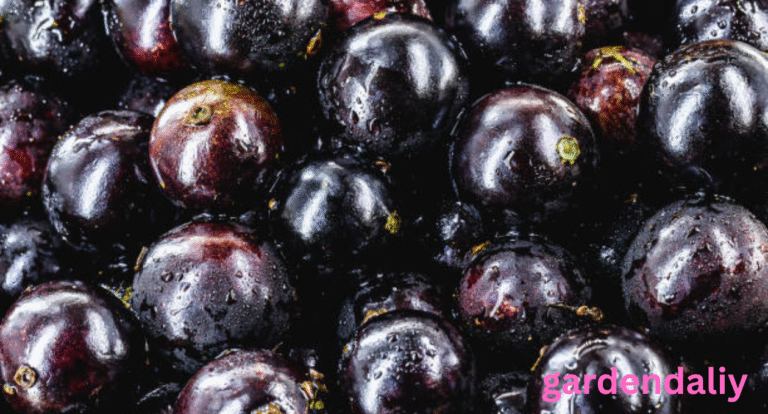
When you think of small, round, juicy fruits growing in clusters, Fruits That Look Like Grapes are probably the first thing that come to mind. But the natural world is full of surprises, and many fruits share a remarkable resemblance to grapes—sometimes in appearance, sometimes in flavor, and occasionally in how they grow. These grape doppelgangers often confuse shoppers, intrigue gardeners, and delight adventurous eaters.
click in link grapes expensive
1. Jabuticaba (Brazilian Grape Tree)
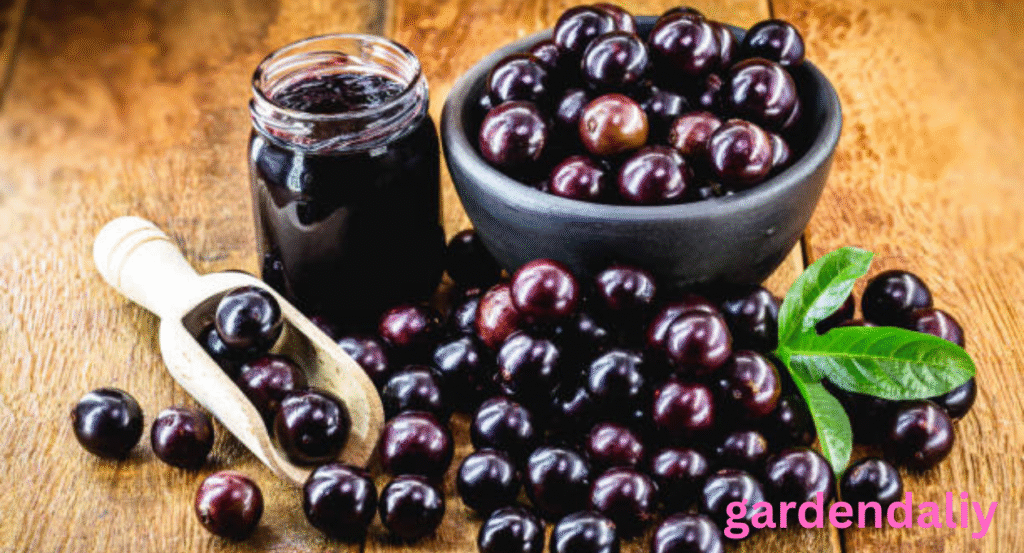
One of the most iconic grape look-alikes is the jabuticaba, a striking fruit native to Brazil. At first glance, its appearance is almost identical to a dark purple grape. However, jabuticaba grows in one of the most unusual ways: directly on the trunk and branches of the tree in a phenomenon known as cauliflory. This gives the tree a magical, almost fantasy-like appearance when in full fruit.
Jabuticaba has a sweet, grape-like flavor with a slightly tangy twist, and its gelatinous pulp is often used to make jellies, wines, and liqueurs. Though they resemble grapes, their growth habit and tropical flavor give them an unmistakable identity.
2. Currants (Red, Black, and White)
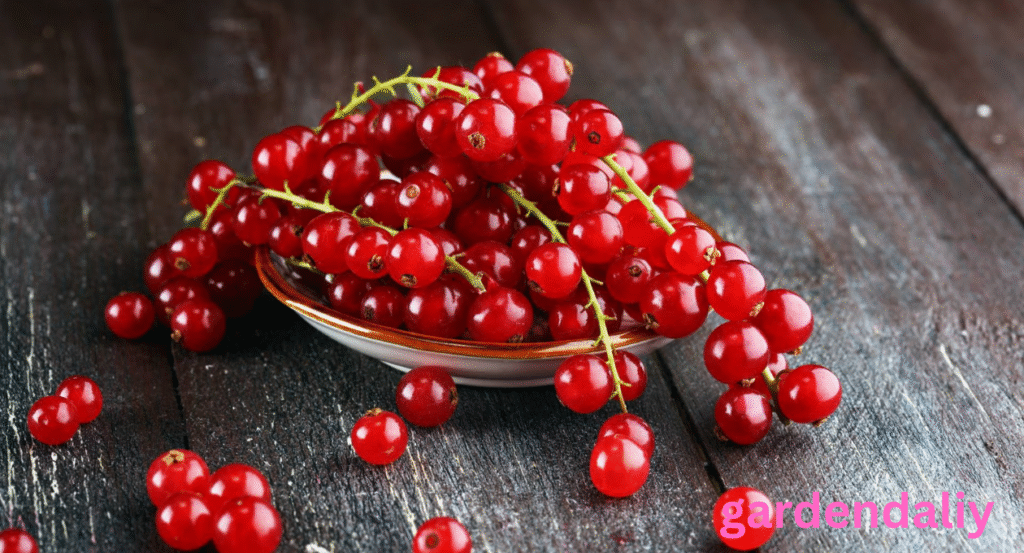
Currants are small berries that grow in clusters, making them easy to confuse with tiny grapes at first glance. Black currants especially look like miniature dark grapes, while red and white currants shine like jewel-toned beads.
Despite their resemblance, currants have a bold tartness that sets them apart. They are rich in antioxidants and commonly used in jams, sauces, syrups, and desserts. Their compact clusters and similar shape often lead gardeners to refer to them as “grape-like berries,” even though their flavor profile is distinct.
3. Muscadine Grapes
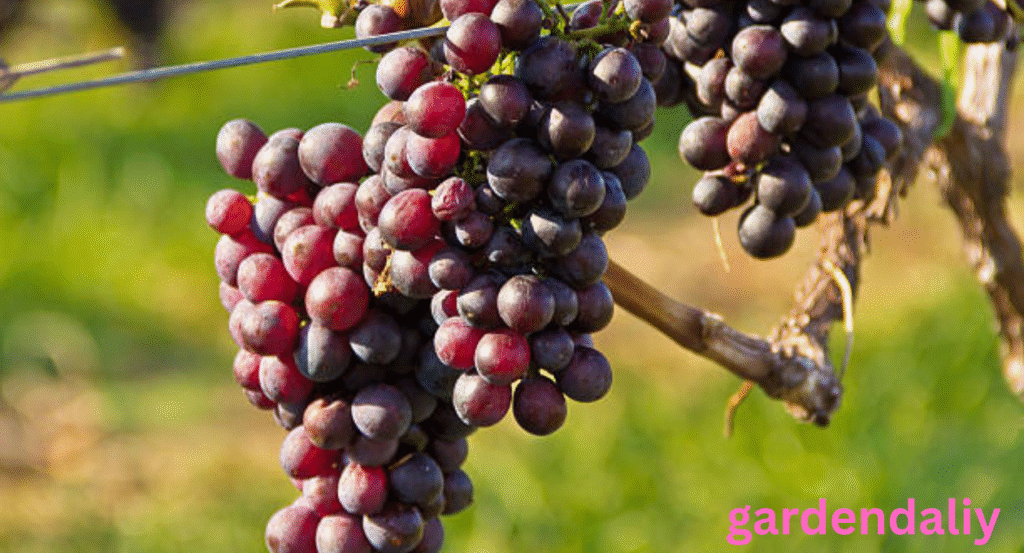
Although muscadines are technically a type of grape, they differ enough in appearance and taste to earn a spot on this list. Native to the southeastern United States, muscadines are larger, rounder, and often thicker-skinned than typical table grapes.
From a distance, however, they can easily be mistaken for oversized grapes—especially the bronze or purple varieties. Their sweet, robust flavor makes them a favorite for wines, preserves, and fresh snacking. While they are grapes, their unique characteristics prompt many to see them as a grape “cousin” rather than a twin.
4. Longan
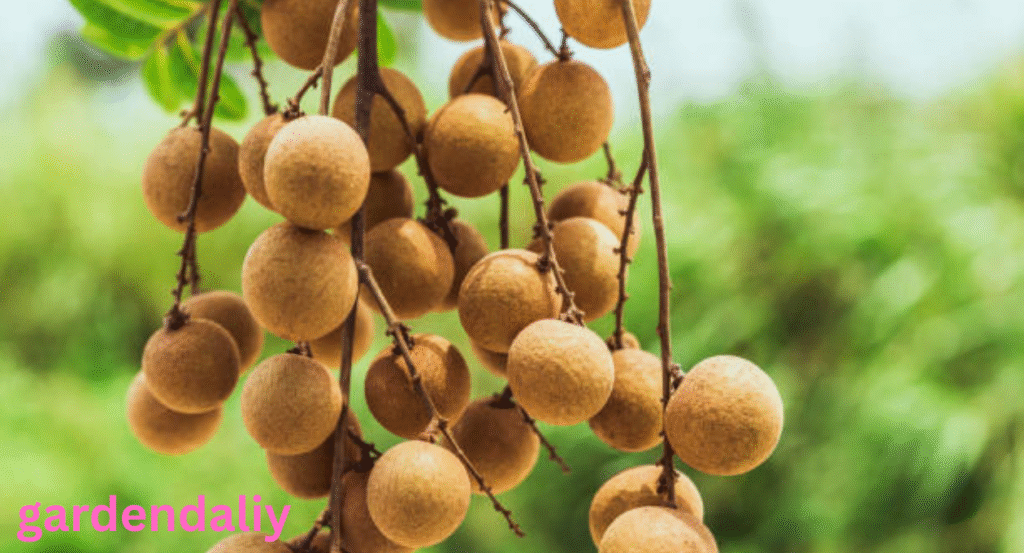
At first glance before peeling, longan fruit can look like pale, beige-colored grapes. They grow in hanging clusters and share a similar size and round shape. Longan, meaning “dragon’s eye” in Chinese, gets its name from its appearance when peeled: translucent flesh with a dark seed at the center.
Though its external color is more muted, its cluster-growing habit often leads people to identify it as a grape-like tropical fruit. Longan has a mild, sweet flavor and is a popular snack as well as an ingredient in Asian desserts and teas.
5. Lychee
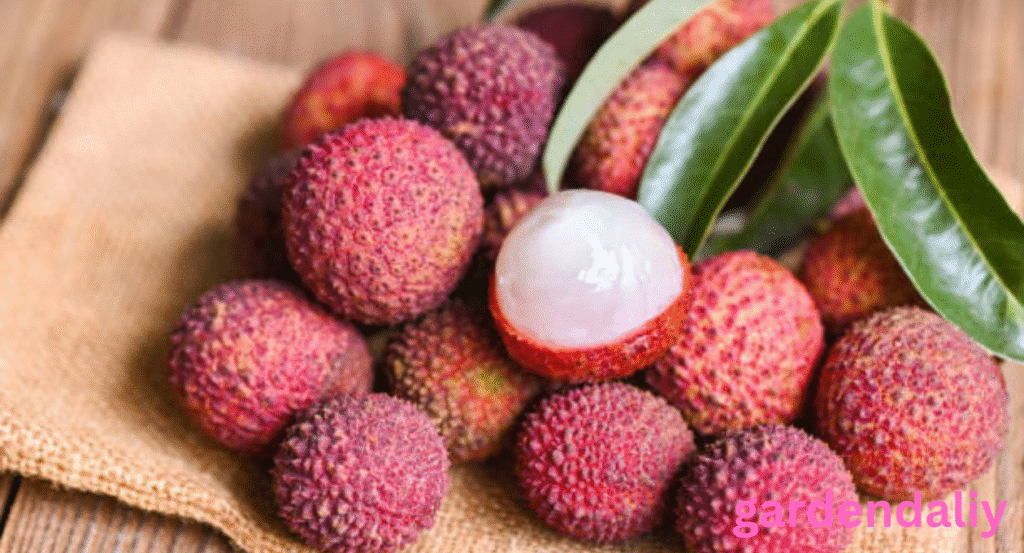
Just like longan, lychee is another fruit commonly mistaken for a grape—especially when peeled. While its bumpy red exterior does not resemble a grape, the inside is strikingly similar: juicy, translucent flesh with a scent that’s sweet and floral.
Lychee fruits grow in clusters like grapes, and their bite-size structure makes them visually comparable. Their flavor, however, is more aromatic and exotic, often described as a blend of rose, pear, and watermelon.
6. Gooseberries
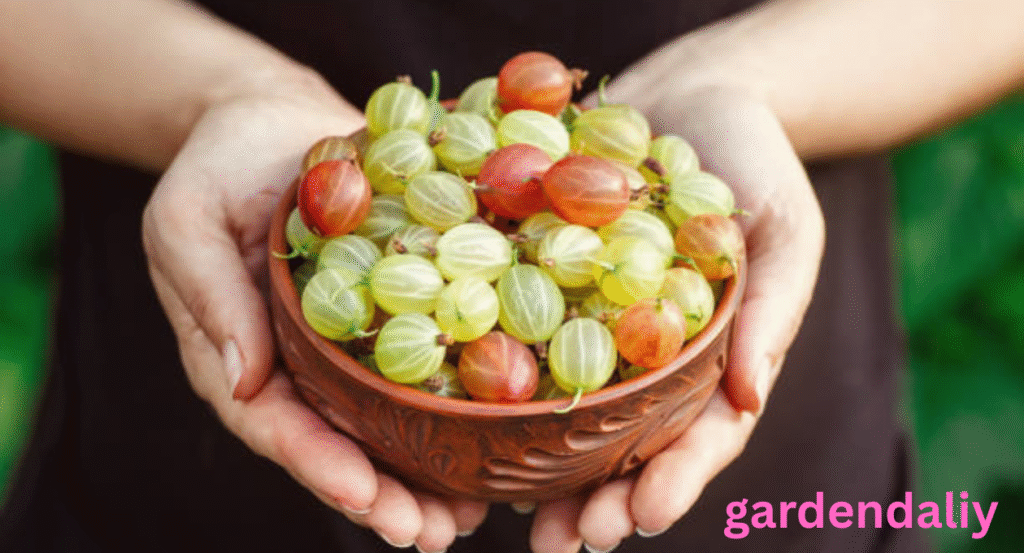
Gooseberries come in various colors—green, red, and purple—and their round, grape-like shape often confuses people unfamiliar with them. Some varieties are almost indistinguishable from small, firm grapes. When ripe, gooseberries can be sweet or pleasantly tart, and they are commonly used in pies, chutneys, and jams.
Their thin, sometimes veiny skin gives them a slightly different texture, but their appearance alone earns them a spot on the list of grape look-alikes.
7. Jujube (When Dried or Unripe)
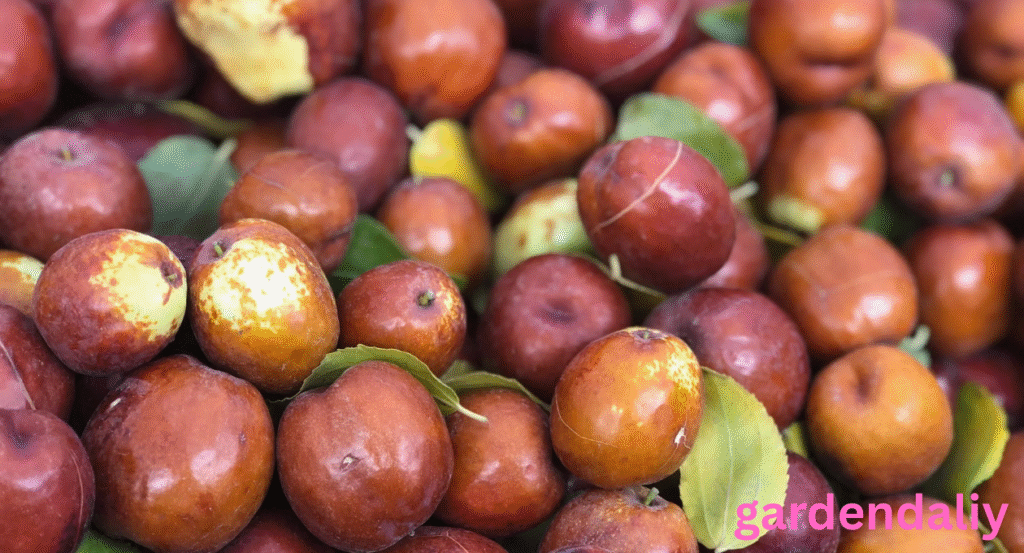
The jujube, also known as the Chinese date, doesn’t always look like a grape—but certain stages of its growth make it surprisingly similar. Young, unripe jujubes are small, smooth, and green, resembling oversized grapes. Once dried, some varieties mimic the color and wrinkled look of raisins, reinforcing the comparison.
Jujubes taste sweet and crisp when fresh, with a texture similar to apples, offering a grape-like look but a completely different experience.
Why Do So Many Fruits Resemble Grapes?
Grapes have an efficient and successful evolutionary design: small, enticing fruits clustered for easy dispersal by animals. Many plants naturally adopt similar structures because they appeal to birds and mammals, aiding in seed distribution. This is why grape-like fruits appear across continents and climates—from tropical forests to temperate gardens.
Conclusion
Fruits that look like grapes are a fascinating reminder of nature’s creativity. While they may share similar shapes, sizes, or cluster formations, each has a unique flavor, texture, and cultural significance. From the trunk-growing jabuticaba to the translucent lychee and longan, these grape look-alikes offer exciting culinary experiences and nutritional benefits. Whether you’re discovering them for the first time or expanding your fruit knowledge, exploring these grape-like fruits adds richness to your culinary adventures and appreciation for global produce diversity.
click in link grapes expensive
faqs
1. What fruit is most commonly mistaken for grapes?
Jabuticaba and currants are two of the fruits most frequently mistaken for grapes because of their round shape and clustered growth. Longan and lychee also look very grape-like when peeled.
2. Are any of these grape look-alike fruits related to grapes?
Yes—muscadine grapes are actually a variety of grape. The other fruits, such as lychee, longan, and jabuticaba, are not botanically related but only resemble grapes in appearance.
3. Can grape-like fruits be used the same way as grapes?
Some can! Currants and muscadines are commonly used in preserves and wines. Lychee and longan are great for desserts and drinks. However, each fruit has its own flavor, so substitutions may slightly change the taste of a recipe.
4. Which grape look-alike fruit is the sweetest?
Lychee and longan are among the sweetest. They have juicy, floral, and fragrant flavors that many people enjoy fresh.
5. Where can I buy these fruits?
You can find many of them in Asian markets, international grocery stores, farmer’s markets, or specialty produce shops. Some, like currants, are more common in cooler climates and are grown locally in certain regions.