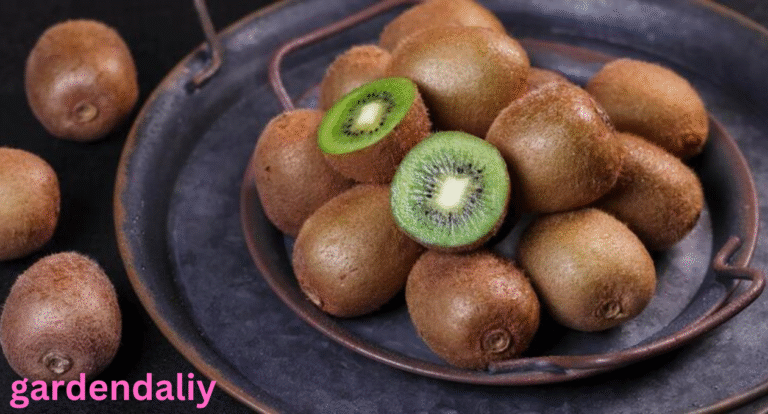
Fruit lovers often admire bright colors and juicy textures, but there is another category of fruits that catches attention for a very different reason—their fuzzy, velvety skin. Known as fuzzy fruits, these fruits have a soft layer of fine hair on the surface that sets them apart visually and texturally. While some people find the fuzz unusual, others appreciate it as a sign of nature’s protection. Beyond appearance, fuzzy fruits are incredibly nutritious, delicious, and versatile in the kitchen.
click in link Cranberry Shortage
What Are Fuzzy Fruits?
Fuzzy fruits are fruits that naturally develop a fine, hair-like coating on their skin. This fuzz is not artificial—it is part of the fruit’s natural defense system. It protects the fruit from insects, intense sunlight, temperature changes, and excessive moisture loss. In many cases, the fuzz acts like a shield, helping the fruit stay hydrated and healthy until it ripens.
While some fuzzy fruits like peaches have noticeable fuzz, others like apricots have only a slight, soft coating. Regardless of the level of fuzz, these fruits share common qualities: sweetness, fragrance, and a rich nutritional profile.
Popular Types of Fuzzy Fruits
1. Peaches
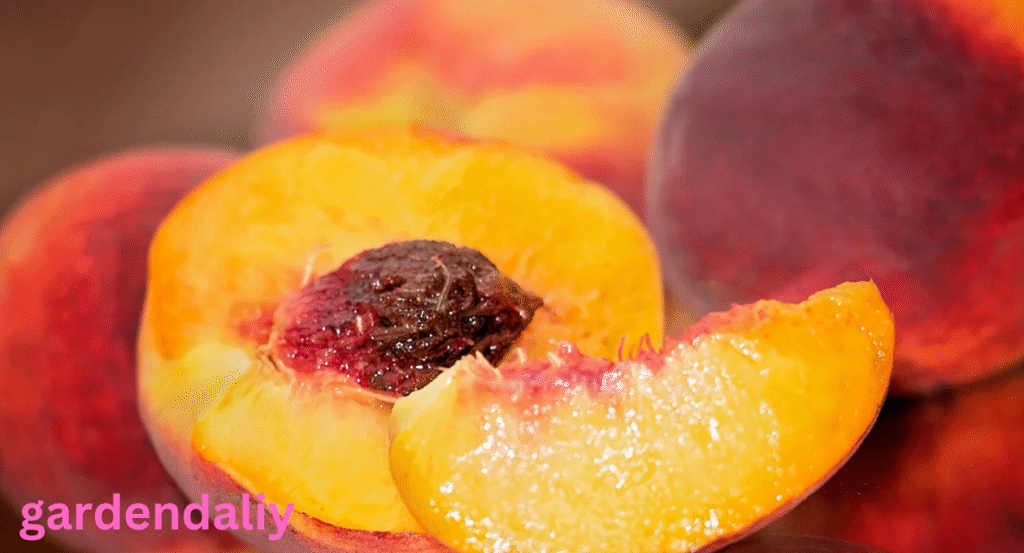
Peaches are the most recognizable fuzzy fruit. Their golden skin, soft fuzz, and sweet, juicy flesh make them one of the world’s favorite summer fruits. Peaches are versatile—you can eat them raw, bake them in desserts, grill them, or blend them into smoothies.
2. Kiwi
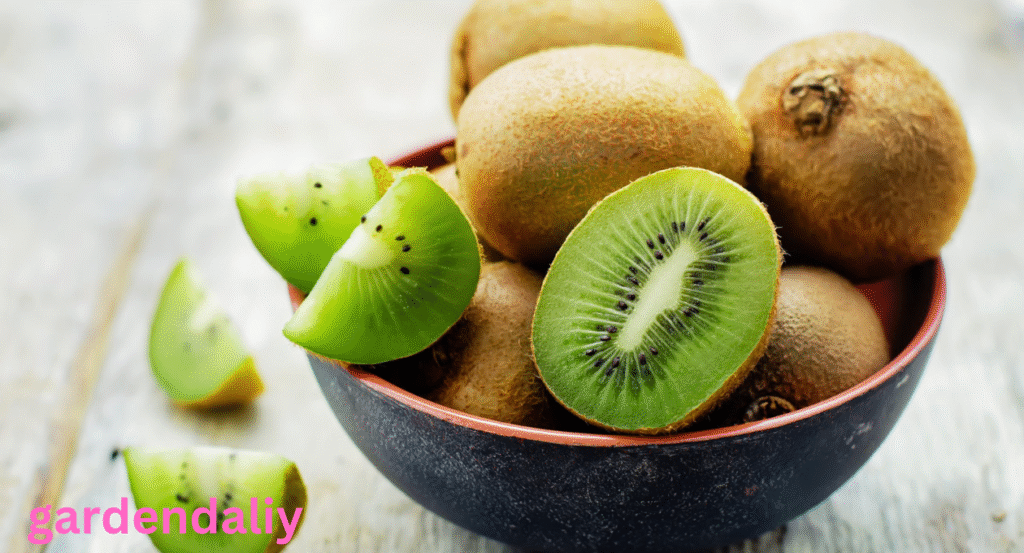
Kiwi fruits have a brown, fuzzy skin and a bright green interior filled with tiny seeds. Their taste is a refreshing mix of sweet and tart. Some people peel them, but the skin is completely edible and rich in fiber.
3. Apricots
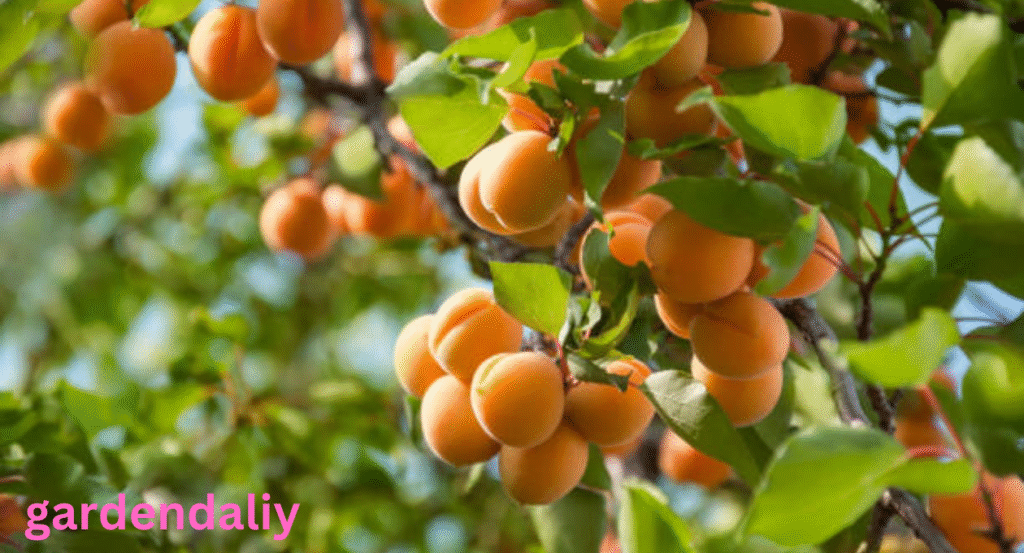
Apricots have a thin, velvety coat and are smaller than peaches. They offer a sweet, mildly tangy flavor. Apricots can be eaten fresh, dried, or cooked into desserts and savory dishes.
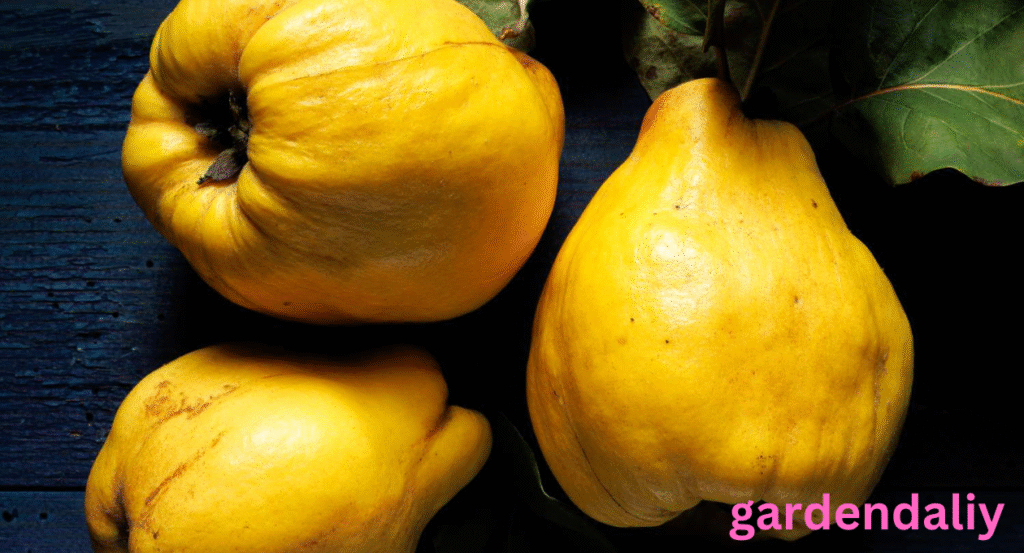
4. Quince
Quince is a hard, yellow fruit with a thick layer of fuzz. It is rarely eaten raw because of its tough texture, but it becomes soft, sweet, and aromatic when cooked. Quince is excellent for making jams, jellies, and traditional desserts.
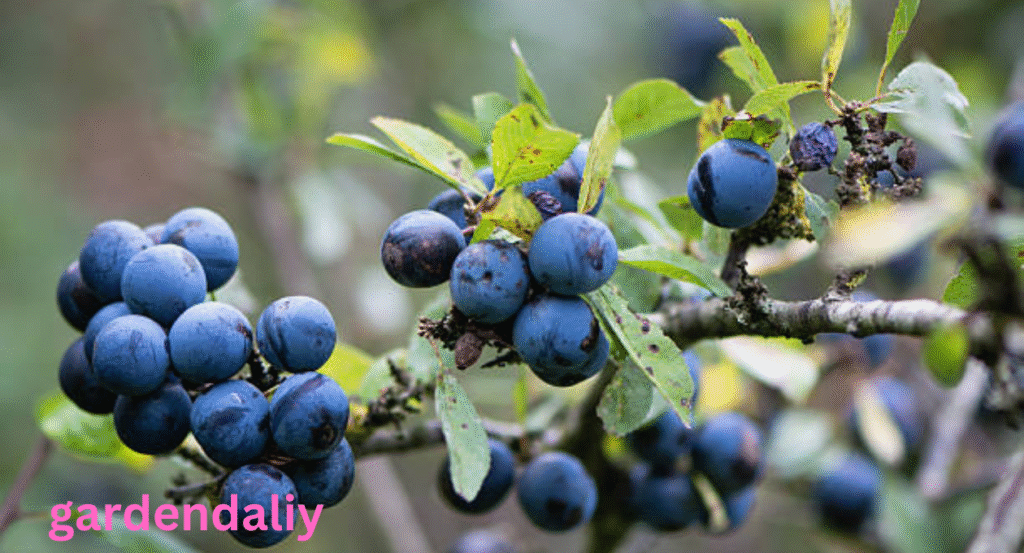
5. Sloes
Sloes are small, dark berries with a powdery, fuzzy surface. They are extremely tart when eaten fresh but are popular for producing sloe gin, syrups, and preserves.
Nutritional Value of Fuzzy Fruits
Fuzzy fruits may look simple, but they are packed with nutrients that support overall health. They provide a combination of vitamins, minerals, antioxidants, and fiber.
Rich in Vitamins
Many fuzzy fruits, especially peaches and kiwi, are high in vitamin C, which strengthens the immune system and promotes glowing skin. Apricots and peaches also contain vitamin A, important for eye health and cell growth.
High Fiber Content
The skin—and even the fuzz—contains dietary fiber. Fiber helps improve digestion, supports gut health, and prevents constipation. Kiwi skin, in particular, is one of the most fiber-rich edible skins among fruits.
Antioxidants
Fuzzy fruits contain antioxidants such as beta-carotene, polyphenols, and flavonoids. These fight inflammation, slow down aging, and protect the body from oxidative stress.
Hydrating and Low in Calories
Because fuzzy fruits contain high water content and are naturally low in calories, they make excellent snacks for hydration and weight management.
Why Are Fuzzy Fruits Increasing in Popularity?
1. Natural Protection
The fuzz acts as a natural barrier, reducing the need for heavy pesticides. This makes many fuzzy fruits appealing to people seeking cleaner, more natural food choices.
2. Popularity in Cooking Trends
Food bloggers, chefs, and home cooks love fuzzy fruits for their unique texture and flavor. Grilled peaches, kiwi salads, apricot tarts, and quince jams are becoming more common in modern recipes.
3. Skin and Beauty Benefits
Because of their vitamins and antioxidants, fuzzy fruits are often included in skincare and haircare products. They promote softer skin, brighter complexion, and overall hydration.
4. Social Media Aesthetic
On platforms like Instagram and Pinterest, fuzzy fruits are popular for smoothie bowls, fruit platters, and colorful summer recipes. Their vibrant interiors make them visually attractive.
How to Use Fuzzy Fruits in Everyday Meals
Smoothies and Juices
Peaches and kiwi make refreshing drinks with natural sweetness and bright flavor.
Desserts
Apricots and peaches are perfect for pies, cobblers, tarts, cakes, and compotes.
Grilled Dishes
Grilled peaches add depth to salads, meat dishes, and desserts.
Jams and Preserves
Quince and apricots are excellent for making long-lasting homemade jams.
Healthy Snacks
Fresh peach slices, dried apricots, and sliced kiwi are ideal for quick, nutritious snacking.
Tips for Buying and Storing Fuzzy Fruits
- Choose fruits that feel firm but slightly soft when pressed.
- Avoid fruits with bruises or deep wrinkles.
- Peaches and apricots ripen best at room temperature.
- Kiwi and quince last longer when refrigerated.
- Rinse fruits gently under running water to remove dust and excess fuzz.
Proper storage ensures better flavor, longer freshness, and a more enjoyable eating experience.
Conclusion
Fuzzy fruits may look different, but their charm lies in their natural texture, incredible flavor, and impressive health benefits. Whether you enjoy the juicy sweetness of peaches, the refreshing tang of kiwi, or the aromatic richness of cooked quince, fuzzy fruits have something delicious to offer. Packed with nutrients and versatile in the kitchen, these fruits are worth adding to your diet for both taste and health.
click in link Cranberry Shortage
faqs
1. What are fuzzy fruits?
Fuzzy fruits are fruits that have a natural layer of fine hair or fuzz on their skin. This soft coating protects the fruit from insects, sunlight, and moisture loss. Examples include peaches, kiwi, apricots, quince, and sloes.
2. Why do some fruits have fuzz?
The fuzz acts as a protective layer. It helps the fruit stay hydrated, shields it from pests, and prevents sun damage. It also reduces water evaporation while the fruit ripens.
3. Is the fuzz on fruits safe to eat?
Yes, the fuzz is completely safe to eat. It is natural and edible. Some people prefer to peel the fruit if they don’t like the texture, but it is not harmful in any way.
4. Can you eat kiwi with the skin?
Yes, kiwi skin is edible and contains a high amount of fiber and nutrients. The fuzz may feel unusual but can be washed, scrubbed lightly, or eaten as it is.
5. Are fuzzy fruits healthy?
Absolutely! Fuzzy fruits are rich in vitamins (especially A and C), antioxidants, fiber, and minerals. They support digestion, immunity, skin health, hydration, and overall well-being.