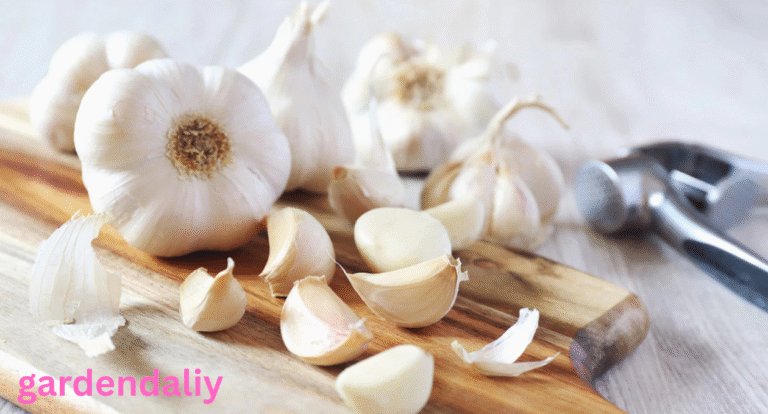
Garlic, one of the world’s most essential and beloved ingredients, has found itself at the center of an unexpected crisis: a global shortage. From home cooks to restaurant chefs to food manufacturers, many are feeling the sting of rising prices and inconsistent supply. Garlic is more than just a flavor booster—it’s a culinary cornerstone, an herbal remedy, and an agricultural product that travels long distances before reaching your kitchen. With demand growing and supply lagging, the garlic shortage has become a topic of global concern.
click in link Blueberry Shortage
1. Climate Change and Extreme Weather Have Disrupted Production
Garlic crops are unusually sensitive to weather patterns, and recent global climate abnormalities have taken a serious toll. Many of the world’s top garlic-producing countries, especially China—which supplies more than 70% of the global garlic market—have experienced unexpected climate events.
Extended heatwaves have caused garlic bulbs to mature early, often resulting in smaller and lower-quality yields. Meanwhile, heavy rainfall and flooding in several regions have delayed planting and damaged entire fields. For some producers, sudden cold snaps have halted growth or killed plants altogether, leading to more unpredictable harvests.
Garlic relies on steady seasonal changes to form large, healthy bulbs. When nature doesn’t cooperate, farmers have little recourse, and global supply inevitably tightens.
2. Rising Production Costs Are Squeezing Farmers
Another major factor behind the garlic shortage is the rapid increase in farming costs. Garlic production is labor-intensive; bulbs must be planted by hand and harvested carefully to prevent damage. In many countries, farmers are dealing with:
- Higher fertilizer prices, particularly nitrogen-based products
- Increasing wages for agricultural laborers
- Escalating fuel costs for irrigation, machinery, and transportation
- Costlier storage, as garlic requires controlled temperature and humidity
When the cost of growing garlic increases, farmers either scale back production or pass the expense through the supply chain. Eventually, this leads to higher retail prices and reduced availability for consumers.
3. Global Supply Chain Disruptions Continue to Have Lingering Effects
Although many industries have slowly recovered from the pandemic-era strain, agriculture is still struggling. Garlic is predominantly grown in rural areas and shipped over long distances—meaning it’s heavily dependent on a stable supply chain.
Challenges include:
- Ongoing shipping container shortages
- Port congestion, especially in Asia
- High freight costs that have not returned to pre-pandemic levels
- Labor shortages across transportation sectors
Because garlic is typically shipped in bulk to maintain quality and prevent spoilage, even small delays can degrade the product. These disruptions have created bottlenecks and reduced the flow of garlic into major buying countries, particularly the U.S., European nations, and parts of Southeast Asia.
4. Demand for Garlic Is Higher Than Ever
While garlic supply has been unpredictable, demand has continued to rise steadily. Garlic remains a staple ingredient across nearly every cuisine—Italian, Indian, Chinese, Middle Eastern, and Mediterranean dishes all rely heavily on it. But beyond cooking, garlic is also used in:
- Herbal supplements
- Natural health remedies
- Restaurant and food-service products
- Processed and packaged foods
Post-pandemic, there’s been a noticeable surge in interest in foods associated with immunity and wellness, and garlic has benefited from this trend. As more consumers incorporate garlic into their meals and health routines, the supply-demand gap continues to widen.
5. Economic and Market Speculation Are Driving Up Prices
In some regions, garlic has historically been subject to price speculation. When harvests are low or market predictions suggest potential shortages, wholesalers may purchase and store garlic in large quantities to sell later at a higher price. This practice—sometimes called hoarding or garlic stockpiling—tightens the market even further.
Countries that rely heavily on imported garlic are especially vulnerable. When prices spike in exporting countries, import-dependent markets experience sudden, sharp increases in wholesale and retail prices.
6. How the Garlic Shortage Affects Consumers
The garlic shortage has already begun to affect everyday consumers in several noticeable ways:
- Higher prices: Garlic prices have risen significantly in supermarkets and markets worldwide.
- Reduced availability: Some stores have smaller supplies or limit customer purchases.
- Decreased bulb size: Lower-quality harvests lead to smaller, less flavorful garlic.
- More processed garlic: Jarred, paste, or pre-minced garlic is becoming more common as a substitute.
In restaurants, chefs may reduce portion sizes, rely more on garlic substitutes, or adjust menus to account for the increased cost.
7. What You Can Do—Smart Substitutes and Solutions
While the situation may improve as harvests stabilize, consumers can take a few practical steps in the meantime:
1. Use garlic alternatives:
- Garlic powder
- Granulated garlic
- Garlic paste or jarred minced garlic
- Garlic-infused oils
- Shallots or onions (for aromatic flavor bases)
2. Buy in bulk and store properly:
Garlic lasts longer in a cool, dry, well-ventilated space. Avoid refrigeration unless it’s peeled.
3. Grow your own garlic:
Home-grown garlic requires minimal space and can be planted in fall or early spring, depending on the climate.
Conclusion
The global garlic shortage is a result of several overlapping challenges—climate change, rising production costs, supply chain disruptions, and an ever-increasing demand for this essential ingredient. While garlic will continue to be available, consumers may notice higher prices, smaller bulbs, or inconsistent quality for some time.
click in link Blueberry Shortage
The situation reminds us of how interconnected our food systems are and how even a single disrupted crop can affect kitchens and markets worldwide. As the agricultural sector adapts and future harvests stabilize, there is optimism that garlic supplies will eventually return to normal levels.
faqs
1. Why is there a garlic shortage right now?
The shortage is mainly due to extreme weather affecting crop yields, increased farming costs, global shipping delays, and rising consumer demand.
2. Which countries are most affected by the garlic shortage?
Countries that rely heavily on imports—such as the United States, the UK, Australia, and parts of Southeast Asia—are experiencing the most noticeable impact due to their dependence on foreign garlic suppliers.
3. Is garlic becoming more expensive?
Yes. Retail and wholesale prices have increased in many regions because of limited supply and higher production and transportation costs.
4. Is the garlic shortage permanent?
No. The shortage is expected to ease as new garlic harvests become available and global supply chains gradually stabilize. However, prices may remain higher than usual in the short term.
5. Are there good substitutes for fresh garlic?
Absolutely. Garlic powder, garlic paste, granulated garlic, garlic-infused oil, shallots, and onions can all be used as substitutes depending on the recipe.