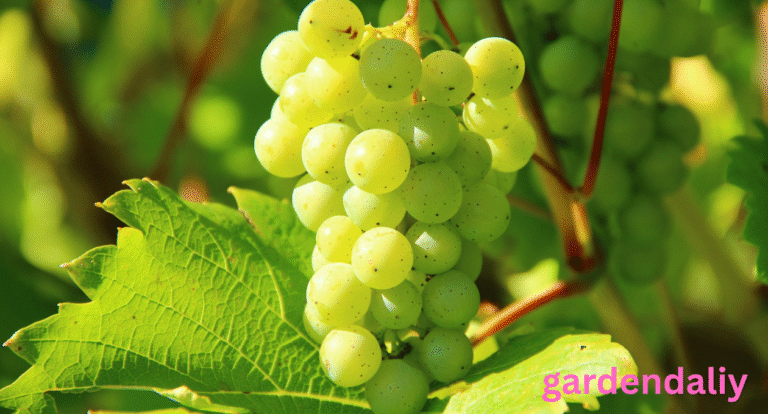
grapes expensive are one of the world’s most beloved fruits—sweet, juicy, and incredibly versatile. From fresh table grapes to raisins, jams, and, of course, wine, this small fruit plays a massive role in global food culture. Yet many shoppers today notice something puzzling: grapes are getting more expensive, and in some places, the price seems almost unreasonable for such a simple fruit.
Why is this happening? What makes grapes, especially premium varieties, cost as much as they do? The answer lies in a mix of climate challenges, labor-intensive farming, global demand, and the rise of luxury fruit culture.
click in link Lemon Shortage
1. Grapes Are One of the Most Labor-Intensive Fruits
Unlike fruits that can be harvested mechanically, many grapes—especially high-quality table grapes—require delicate, hands-on care. Workers must:
- Monitor vine growth
- Prune the plants several times a year
- Protect the grapes from pests
- Select bunches carefully
- Harvest by hand to avoid damaging the fruit
This requires skilled labor, and with rising wages and stricter labor regulations in many countries, the cost of maintaining vineyards continues to grow.
Furthermore, grape bunches are fragile. One mistake in harvesting or packing can damage the entire cluster, making careful handling essential. The cost of this labor is directly reflected in the final price consumers see at the market.
2. Climate Change Has a Direct Impact on Grape Prices
Grapes are highly sensitive to environmental conditions. Too much heat, too little rain, unexpected frost, or prolonged drought can all affect grape yield and quality. In recent years, extreme weather patterns have been hitting major grape-growing regions like:
- California
- Chile
- Spain
- Italy
- South Africa
- Australia
For example, heatwaves can cause grapes to ripen too quickly, leading to sweetness imbalances. Heavy rain can result in fungal diseases, forcing farmers to use more resources to save the crop.
When harvests shrink because of weather issues, supply goes down while demand stays the same, pushing prices higher.
3. The Rise of Premium and Luxury Grape Varieties
One of the most fascinating trends in recent years is the explosion of premium grape varieties. These include high-value grapes like:
- Cotton Candy grapes
- Moon Drops
- Globe grapes
- Japanese varieties like Shine Muscat and Ruby Roman
These grapes aren’t just grown—they’re engineered through selective breeding to deliver unique flavors, larger sizes, and a near-perfect appearance.
Developing new varieties can take years or even decades, and the licensing rights, patents, and specialized growing techniques make these grapes more expensive. For example, Japan’s famous Ruby Roman grapes can sell for hundreds or thousands of dollars per bunch because they meet exclusive standards for size, sweetness, and appearance.
Though everyday shoppers aren’t paying those extreme prices, the trend has still pushed the average grape market upward, especially for varieties with enhanced flavor profiles.
4. High Transportation and Storage Costs
Grapes are delicate and spoil easily. To reach markets in perfect condition, they require special:
- Temperature-controlled storage
- Fast transportation
- Careful packaging
- Inspections throughout the journey
A box of grapes from Chile or South Africa might travel thousands of kilometers to reach consumers in Asia, Europe, or North America. This international supply chain adds fuel costs, shipping fees, and cold-storage expenses—all of which increase the retail price.
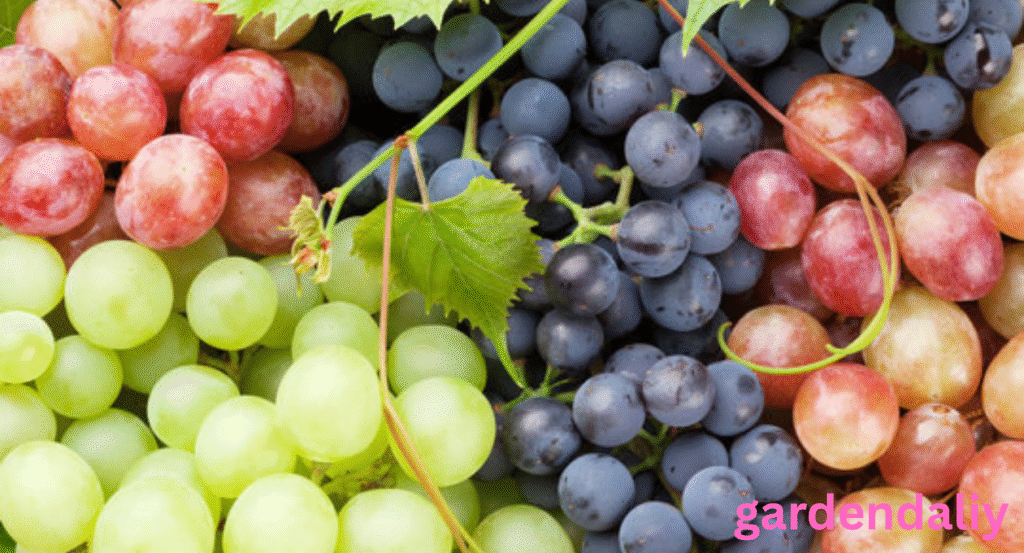
The rise in global fuel prices and shipping disruptions in recent years has made imported grapes noticeably more expensive.
5. Pests and Diseases Increase Production Costs
Grapevines are vulnerable to pests like leafhoppers, mites, and fungal diseases like powdery mildew. Farmers must invest heavily in:
- Pest management systems
- Fungicides
- Monitoring equipment
- Protective netting
Organic grape farms face even higher challenges because they cannot use many conventional treatments, making their grapes costlier to produce.
When farmers spend more to protect their crops, the price of the final product naturally rises.
6. High Consumer Demand Keeps Prices Elevated
From fresh fruit to wine production, grapes are always in high demand. They’re not just a seasonal treat—they’re consumed year-round, and people increasingly prefer seedless, large, sweet varieties. Because the market demands perfect-looking grapes with long shelf life, growers must put extra effort into producing premium-quality fruit.
Global consumption keeps rising, but not all regions can keep up with demand. As a result, prices stay high even during good harvest seasons.
7. Packaging and Presentation Matter More Than Ever
Consumers are drawn to appealing packaging—clamshell boxes, bags with ventilation holes, or premium trays. These packaging materials help protect delicate grapes but also add cost.
Sustainable packaging, which is growing in demand, is even more expensive than conventional options. As the industry moves toward environmentally friendly solutions, these upgrades will continue to influence grape prices.
Conclusion
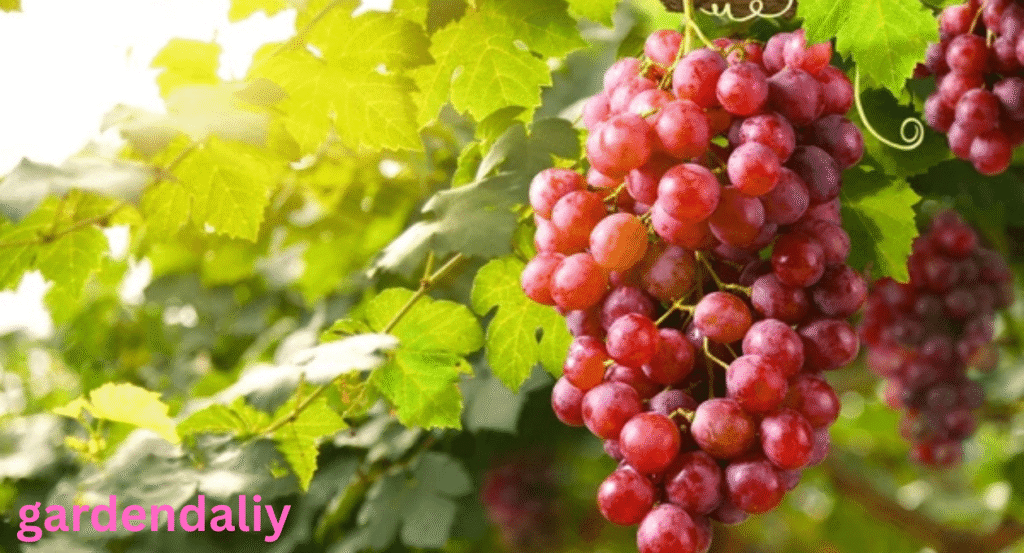
Grapes may seem like a simple fruit, but the journey from the vineyard to your grocery basket is far more complex than most people realize. Their price reflects a combination of labor-intensive farming, climate challenges, pest control, transportation costs, and the rising demand for high-quality, seedless, and specialty varieties. As growers work harder to maintain consistent quality in an unpredictable environment, consumers inevitably pay a little more. Understanding these factors not only explains the cost but also deepens our appreciation for this small yet remarkable fruit. Whether enjoyed fresh, turned into raisins, or transformed into wine, grapes will continue to hold a special place in global food culture—regardless of their price.
click in link Lemon Shortage
FAQs
1. Why are grapes becoming more expensive?
Grapes are expensive because of rising labor costs, climate change, high transportation expenses, and increasing demand for premium varieties. Grapes also require intensive care and manual harvesting, which raises production costs.
2. Do premium grape varieties cost more to grow?
Yes. Specialty grapes like Cotton Candy, Moon Drops, Shine Muscat, and Ruby Roman require years of breeding, strict growing conditions, and specific licensing, making them more expensive to produce.
3. Does climate change affect grape prices?
Absolutely. Extreme heat, drought, frost, and heavy rainfall can damage grape crops, reducing supply. When harvests shrink, prices rise due to limited availability.
4. Why do imported grapes cost more?
Imported grapes require long-distance transportation, cold storage, and careful packaging to stay fresh. Higher fuel costs and shipping delays also raise prices.
5. Why can’t grapes be harvested by machines?
Most table grapes are delicate and easily damaged. Mechanical harvesting can crush or bruise them, so hand-picking is preferred to ensure quality, which increases labor costs.