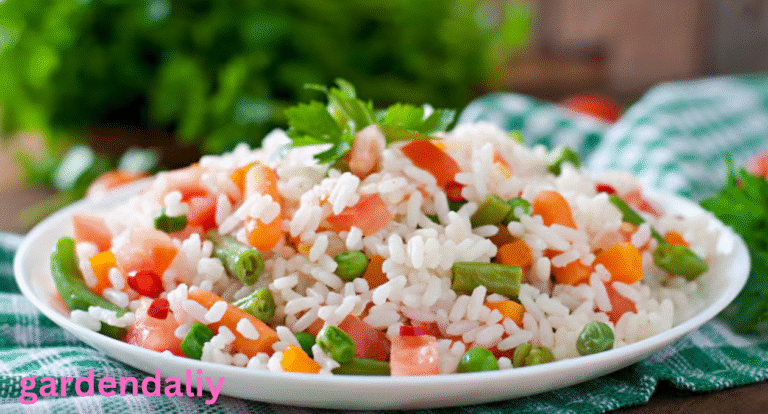
If you’ve ever wondered whether is rice a vegetable, you’re definitely not alone. This question pops up surprisingly often—at school, at the dinner table, and all over the internet. Since rice grows in fields and is plant-based, it’s easy to assume it belongs somewhere in the vegetable family. But while rice may appear alongside vegetables on your plate, the truth is a lot simpler—and more interesting—than you might think.
click in link Basil Shortage
So, Is Rice Actually a Vegetable?
The short answer is no—rice is not a vegetable. Rice is a grain, specifically a cereal grain that comes from the grass species Oryza sativa or Oryza glaberrima. That’s right: rice grows from a grass plant, not from a vegetable plant. The grains we eat are the seeds harvested from the head of this rice plant. Because vegetables are defined as edible parts of plants—like leaves, stems, roots, and sometimes flowers—rice doesn’t fit anywhere in that category.
Vegetables include foods like carrots (root), spinach (leaf), asparagus (stem), and broccoli (flower). Rice, on the other hand, is simply a seed. That alone is enough to exclude it from being called a vegetable.
Why Do People Think Rice Is a Vegetable?
There are a few understandable reasons why rice is often mistaken for a vegetable:
1. It’s Plant-Based
Anything that grows from the soil gets lumped into the “vegetable” group by many people. But botanically speaking, not everything that comes from a plant is a vegetable—fruits, grains, nuts, and seeds are all separate categories.
2. It’s Served Like a Side Vegetable
Rice often shares space with vegetables on a plate. In many cuisines, especially Asian dishes, rice is the foundation of a meal, topped with vegetables and protein. This can make it feel like it belongs in the same family.
3. It’s Confused With Starchy Vegetables
Potatoes, corn, and peas are technically vegetables but also high in starch, similar to rice in nutritional function. So people assume rice must be a starchy vegetable too—but it’s not.
How Rice Is Classified Scientifically and Nutritionally
To understand why rice isn’t a vegetable, let’s look at the two ways foods are categorized: by botany and by nutrition.
Botanical Classification
- Vegetables come from edible parts of plants.
- Fruits come from the reproductive part of plants.
- Grains come from grass species.
Rice is the seed of a grass plant, which places it firmly in the grain category.
Nutritional Classification
Most dietary guidelines—like the U.S. MyPlate system—divide foods into groups such as:
- Vegetables
- Fruits
- Grains
- Protein
- Dairy
Rice is always placed in the Grains Group, along with wheat, oats, barley, and corn (when dried).
Rice vs. Vegetables: What’s the Real Difference?
To highlight how rice differs from vegetables, here’s a quick comparison:
| Feature | Rice | Vegetables |
| Plant Part | Seed | Leaves, roots, stems, flowers |
| Food Group | Grains | Vegetables |
| Nutrition | Mostly carbohydrates | Rich in vitamins, minerals, fiber |
| Plant Source | Grass | Various vegetable plants |
Vegetables provide essential nutrients like fiber, vitamin C, and potassium, while rice is mainly a source of energy through carbohydrates. That’s why health experts often encourage pairing rice with vegetables to create a balanced meal.
Is Rice Healthy?
Even though rice isn’t a vegetable, it can still be a healthy part of your diet. It depends on the type of rice and how much you eat.
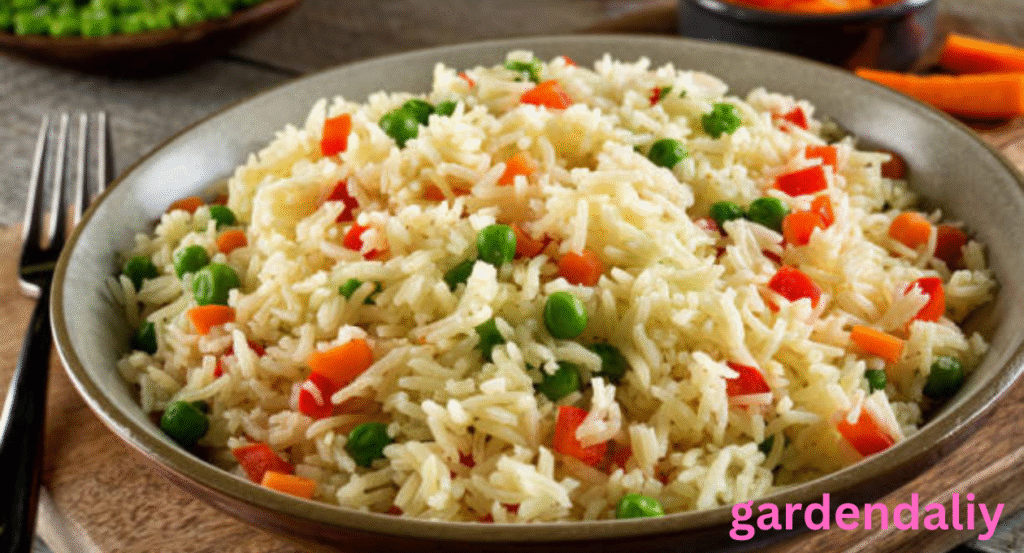
White Rice
- Low in fiber
- Easy to digest
- Often enriched with iron and B vitamins
- Has a higher glycemic index
Brown Rice
- A whole grain
- Higher in fiber
- Contains more nutrients
- Better for blood sugar control
Brown rice is generally considered the healthier option because it’s less processed and retains the bran and germ layers that contain most of the nutrients.
Is Rice a Carb or a Starch?
Rice is both a carbohydrate and a starch. This doesn’t make it a vegetable, but it does explain why it provides quick energy. Athletes, for instance, often eat rice before or after workouts because it refuels the body efficiently.
If Rice Isn’t a Vegetable, What Should You Eat With It?
Since rice lacks the vitamins and minerals found in vegetables, it’s best paired with foods that round out the meal. For example:
- Broccoli
- Spinach
- Peppers
- Carrots
- Green beans
Combining rice with vegetables adds fiber, color, texture, and essential nutrients, making your meal both healthier and more satisfying.
Conclusion
Rice is one of the most widely enjoyed foods in the world, but its classification is often misunderstood. Despite growing from a plant, rice is not a vegetable—it is a grain, specifically the seed of a grass species. This simple but important distinction helps clarify how rice fits into a balanced diet. While rice doesn’t offer the same vitamins, minerals, or fiber found in vegetables, it does provide valuable energy through carbohydrates and can be incredibly nutritious when combined with the right foods. Whether you prefer white rice, brown rice, or aromatic varieties like jasmine or basmati, rice remains a versatile, comforting, and essential part of countless meals. Just remember: it’s best enjoyed as part of a balanced plate that includes vegetables and protein for full nutritional benefits.
click in link Basil Shortage
FAQs
1. Is rice considered a vegetable?
No. Rice is a grain, not a vegetable. It comes from the seed of a grass plant and is classified under the “Grains” food group.
2. Why do people think rice is a vegetable?
People often assume rice is a vegetable because it grows in fields and is plant-based. It’s also commonly paired with vegetables in meals, which creates confusion.
3. Is rice healthier than vegetables?
Not exactly. Vegetables contain more vitamins, minerals, and fiber, while rice mainly provides carbohydrates. They serve different nutritional purposes.
4. Is brown rice healthier than white rice?
Yes. Brown rice is a whole grain and contains more fiber, nutrients, and antioxidants compared to white rice, which is more processed.
5. What can I eat with rice to make it a balanced meal?
Combine rice with vegetables and lean proteins such as chicken, beans, tofu, or fish. This boosts fiber, vitamins, and overall nutritional value.