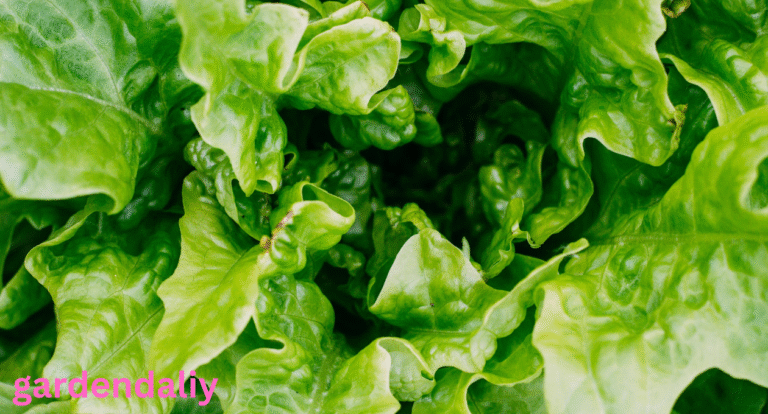
Lettuce is a staple ingredient found in salads, sandwiches, wraps, and countless everyday meals. However, in recent times, many consumers and businesses have noticed rising prices and limited availability of lettuce in grocery stores and restaurants. This situation, often referred to as a lettuce shortage, is the result of several interconnected factors affecting the global food supply chain. In this blog, we will explore what a lettuce shortage is, why it happens, and how it affects consumers, farmers, and the food industry.
click in link Basil Shortage
What Is a Lettuce Shortage?
A lettuce shortage occurs when the supply of lettuce is unable to meet consumer demand. This does not always mean that lettuce completely disappears from shelves, but rather that availability becomes inconsistent, quality may decline, and prices increase. Shortages can affect different varieties such as iceberg, romaine, butterhead, and leaf lettuce, depending on growing conditions and regional challenges
Main Causes of the Lettuce Shortage
1. Extreme Weather Conditions
Lettuce is a delicate crop that requires specific temperature ranges to grow properly. Heatwaves, unexpected frosts, heavy rainfall, and droughts can severely damage crops. When major growing regions experience unfavorable weather, harvest yields drop significantly, leading to supply shortages.
2. Climate Change
Long-term climate change has increased the frequency of extreme weather events. Shifting seasons and unpredictable temperatures make it harder for farmers to plan planting and harvesting schedules. As a result, lettuce production has become more vulnerable to disruption.
3. Labor Shortages
Harvesting lettuce is labor-intensive and often requires skilled agricultural workers. Labor shortages caused by migration restrictions, rising labor costs, or lack of available workers can slow down harvesting and reduce the amount of lettuce that reaches the market.
4. Transportation and Supply Chain Issues
Even when lettuce is successfully grown and harvested, it must be transported quickly because it is highly perishable. Fuel price increases, truck driver shortages, and logistical delays can disrupt distribution, causing lettuce to spoil before reaching retailers.
5. Rising Production Costs
Farmers face increasing costs for seeds, fertilizers, water, packaging, and fuel. When production becomes more expensive, some growers reduce planting acreage, which ultimately lowers total supply.
Impact on Consumers
For consumers, a lettuce shortage usually means higher prices and fewer choices at the store. Shoppers may notice smaller lettuce heads, wilted leaves, or limited varieties available. In some cases, consumers may need to substitute lettuce with alternative greens such as spinach, kale, or cabbage.
Impact on Restaurants and Food Businesses
Restaurants, fast-food chains, and catering services rely heavily on lettuce for salads, burgers, tacos, and wraps. During a shortage, many businesses are forced to:
- Increase menu prices
- Reduce portion sizes
- Temporarily remove lettuce-based items
- Switch to alternative greens
These changes can affect customer satisfaction and profit margins.
Impact on Farmers
Farmers are often the most affected by lettuce shortages. While higher market prices may seem beneficial, crop losses due to weather or disease can outweigh profits. Smaller farms, in particular, may struggle to recover from repeated losses and rising operational costs.
How Long Do Lettuce Shortages Last?
The duration of a lettuce shortage depends on the cause. Weather-related shortages may last a few weeks or months until new crops are harvested. However, shortages linked to climate change, labor issues, or rising costs can persist longer and may occur more frequently over time.
Possible Solutions and Adaptations
1. Diversified Growing Regions
Growing lettuce in multiple regions helps reduce dependence on a single area. If one region experiences crop failure, others may still supply the market.
2. Greenhouse and Indoor Farming
Controlled-environment agriculture, such as hydroponics and vertical farming, allows lettuce to be grown year-round with less reliance on weather conditions.
3. Consumer Flexibility
Consumers can adapt by trying seasonal alternatives or mixing different greens in their meals. This flexibility can reduce pressure on lettuce demand during shortages.
Conclusion
The lettuce shortage highlights how sensitive our food system is to weather, labor, and supply chain disruptions. While lettuce remains widely consumed, its availability is increasingly affected by environmental and economic factors. By understanding the causes and impacts of lettuce shortages, consumers can make informed choices, and producers can work toward more resilient farming methods. As agriculture continues to adapt, future shortages may become easier to manage—but flexibility and awareness will remain key.
click in link Basil Shortage
Faqs
1. Why is there a lettuce shortage?
The shortage is mainly caused by extreme weather, plant diseases like INSV, and supply chain disruptions. These factors have reduced lettuce yields in major growing regions, causing scarcity and higher prices.
2. Which types of lettuce are most affected?
Iceberg and romaine lettuce have been hit the hardest because they are commonly grown in the regions most affected by drought and plant viruses. Leaf lettuces and greenhouse-grown varieties may be more available.
3. Why is lettuce so expensive right now?
Low crop yields combined with high production costs—such as fuel, fertilizer, and labor—have pushed prices up. Limited supply plus strong demand creates a price surge.
4. How long will the lettuce shortage last?
It depends on weather patterns, disease control, and planting cycles. Some shortages last only a few months, while severe impacts from INSV or drought can extend shortages for an entire season.
5. Is the lettuce shortage worldwide?
While the most severe shortages have occurred in the U.S., Canada, Australia, and parts of Europe, many regions globally have experienced price increases due to interconnected supply chains.
6. Can I still buy lettuce at the grocery store?
Yes, but availability may vary by region and season. You may find smaller heads, lower quality, or higher prices depending on local supply levels.