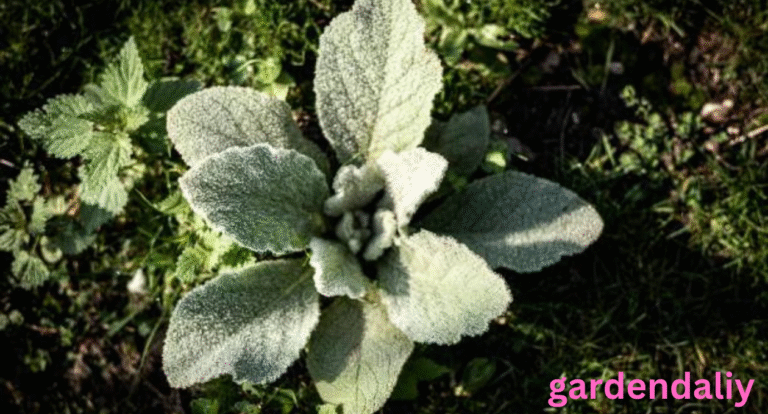
Mullein Look Alikes has become incredibly popular in recent years, especially among herbalists, foragers, and natural health enthusiasts. With its tall flower stalk, fuzzy leaves, and impressive height, mullein is one of the easiest herbs to spot—at least, that’s what most people think. The truth is, several plants look surprisingly similar to mullein, especially in their early growth stages. And if you’re harvesting mullein for tea, tinctures, or salves, misidentifying the plant can lead to ineffective remedies—or worse, unsafe results.
Whether you’re a beginner forager or someone curious about the plant’s medicinal uses, understanding mullein look-alikes is essential. This guide breaks down the plants most commonly mistaken for mullein, how to tell them apart, and what to watch out for in the wild.
What Does True Mullein Look Like?
Before learning the look-alikes, it helps to understand what genuine mullein (Verbascum thapsus) looks like.
Key features of true mullein:
- Soft, thick, velvety leaves that feel like flannel
- A low-growing basal rosette in its first year
- A tall flower stalk—often 3 to 6 feet—in its second year
- Yellow flowers that bloom along the stalk
- A fuzzy texture covering the entire plant
Mullein almost looks like a giant fuzzy candle when it blooms. Its unmistakable texture is one of the easiest ways to confirm you’ve found the real deal.
Common Mullein Look-Alikes
Several plants share similar leaf shapes, rosette patterns, or growth habits. Here are the most common ones to be aware of.
1. Lamb’s Ear (Stachys byzantina)
Lamb’s ear is perhaps the most famous mullein look-alike. At first glance, the two plants look almost identical—soft, fuzzy leaves that grow low to the ground. Many beginners mix them up.
How to tell lamb’s ear from mullein:
- Lamb’s ear leaves are shorter, rounder, and more oval-shaped.
- The plant grows in fuller clumps, more like a groundcover.
- Lamb’s ear rarely grows a tall central stalk like mullein.
- Its fuzz is even softer and denser than mullein’s.
- The plant produces purple flowers, not yellow.
Most importantly, lamb’s ear is completely harmless but not used the same way medicinally. If you’re collecting mullein for respiratory benefits, lamb’s ear won’t work as a substitute.
2. Foxglove (Digitalis purpurea)
This is one look-alike you must avoid because foxglove is toxic. While it doesn’t have fuzzy leaves like mullein, beginners sometimes confuse the two because foxglove also forms a basal rosette in its first year.
How to tell foxglove from mullein:
- Foxglove leaves are smooth—not fuzzy.
- Leaves have pronounced, visible veins.
- The flower stalk is covered in bell-shaped purple or pink flowers, unlike mullein’s small yellow blooms.
- Foxglove’s rosette leaves are thinner and more pointed.
Even small amounts of foxglove can be dangerous if ingested. If you’re ever unsure, check the leaf texture—mullein is ALWAYS velvety.
3. Great Mullein Variants and Hybrid Verbascum Species
Interestingly, mullein’s closest look-alikes are other mullein species. Verbascum plants hybridize easily, creating varieties with different colors or leaf shapes. But the good news? All Verbascum species are generally safe and share similar properties.
How to identify hybrid mulleins:
- They may have white, pink, or purple flowers.
- Leaves may be slightly less fuzzy.
- Flower stalks can branch differently.
If it looks like mullein and feels like mullein—it’s probably a Verbascum species.
4. Comfrey (Symphytum officinale)
Comfrey sometimes gets mistaken for mullein because it forms large, floppy leaves near the ground.
Differences between comfrey and mullein:
- Comfrey leaves are rough and scratchy—not soft.
- The plant grows in a bush-like shape.
- Flowers are small and bell-shaped, usually purple or white.
- Stems are hollow and hairy.
Comfrey is used medicinally, but not for the same purposes as mullein, so confusing the two can affect your homemade remedies.
5. Evening Primrose (Oenothera biennis)
Evening primrose also grows in a basal rosette, making it another plant mistaken for mullein in its early stages.
How to tell the difference:
- Evening primrose leaves are smooth with wavy edges.
- No fuzzy or woolly texture.
- The flower stalk produces large yellow blooms, but the stalk itself is hairless.
The lack of fuzz is the easiest giveaway.
Why Correct Identification Matters
Harvesting the wrong plant isn’t just inconvenient—it can be dangerous. While mullein is widely known for helping with congestion, coughs, and respiratory inflammation, its look-alikes don’t always offer the same benefits. Foxglove, for example, contains compounds that can affect the heart and should never be consumed.
Even harmless look-alikes like lamb’s ear simply won’t offer the medicinal effects you expect from mullein tea or tincture, which can make your remedies ineffective.
Correct identification ensures:
- Safe harvesting
- Effective herbal preparations
- No accidental consumption of toxic plants
Always take your time, compare features carefully, and when in doubt—don’t harvest.
Conclusion
Identifying mullein in the wild can be incredibly rewarding, especially for foragers and herbal enthusiasts who rely on the plant’s soothing respiratory benefits. However, several plants share similar features with mullein, especially in their early rosette stages, which can lead to confusion—or even danger if toxic plants like foxglove are mistaken for mullein. Taking the time to study mullein’s soft, velvety leaves, tall flowering stalk, and distinct yellow blooms can help you avoid misidentification and ensure you’re harvesting safely.
While plants like lamb’s ear, evening primrose, and comfrey may look similar at a glance, each has unique characteristics once you learn what to look for. The key is to slow down, observe the details, and always check for mullein’s signature fuzzy texture. By becoming familiar with mullein’s look-alikes, you’ll feel more confident in your foraging skills and better able to enjoy the medicinal benefits of this remarkable plant.
With practice, patience, and awareness, identifying mullein becomes second nature—and exploring nature becomes safer and more enjoyable along the way.
FAQs
1. What is the easiest way to identify true mullein?
The easiest way is by touch—true mullein has thick, soft, fuzzy leaves covered in fine hairs. No dangerous look-alike shares this velvety texture.
2. Is foxglove really dangerous to confuse with mullein?
Yes. Foxglove contains toxic cardiac glycosides that can be harmful or even fatal if ingested. Its leaves are smooth, not fuzzy, which makes it easy to distinguish with close inspection.
3. Can lamb’s ear be used like mullein?
No. While lamb’s ear is safe and soft like mullein, it does not have the same medicinal properties. It’s mostly ornamental, though historically used as a wound dressing.
4. Are all mullein species safe to use?
Most Verbascum species share similar properties and are considered safe, though potency may vary. Always verify the species and research its uses before consuming.
5. What should I do if I’m unsure whether a plant is mullein?
Avoid harvesting it. Take photos, compare with reliable field guides, or consult an experienced forager or botanist to confirm the identification.