Ginger is a staple ingredient in kitchens around the world, valued for its distinctive flavor, medicinal properties, and wide use in cooking, beverages, and traditional remedies. Recently, many regions have experienced a noticeable ginger shortage, leading to higher prices and limited availability. This blog explores the reasons behind the ginger shortage, its impact on consumers and businesses, and what the future may hold.
The ginger shortage is the result of several interconnected factors. Unfavorable weather conditions in major ginger-producing countries have played a significant role. Excessive rainfall, floods, and unpredictable climate patterns have damaged crops and reduced yields. Ginger requires specific soil and climate conditions, and even small changes can significantly affect production.
Supply chain disruptions have also contributed to the shortage. Rising transportation costs, delays at ports, and labor shortages have made it difficult to move ginger from farms to global markets efficiently. In addition, some exporting countries have reduced shipments to prioritize domestic demand, further tightening international supply.
Another important factor is the growing global demand for ginger. Over the past few years, ginger has gained popularity due to its health benefits, especially its use in immunity-boosting drinks, teas, and natural remedies. This surge in demand has outpaced supply, adding pressure to already strained markets.
Impact on Prices and Availability
One of the most immediate effects of the ginger shortage is an increase in prices. Consumers may notice higher costs for fresh ginger, ginger powder, and processed products such as sauces, teas, and supplements. Restaurants and food manufacturers that rely heavily on ginger are also facing increased production costs, which may lead to higher menu prices or product price adjustments.
Availability has become inconsistent as well. In some areas, grocery stores experience frequent stock shortages, while in others, ginger may only be available in limited quantities or lower quality. Small businesses, particularly those involved in food processing and herbal products, are among the most affected.
How the Ginger Shortage Affects Different Industries
The food and beverage industry is one of the hardest hit by the ginger shortage. Ginger is a key ingredient in many cuisines, baked goods, beverages, and condiments. Reduced supply can disrupt production schedules and force manufacturers to seek alternative ingredients or suppliers.
The pharmaceutical and wellness industries are also feeling the impact. Ginger is widely used in traditional medicine and modern supplements for its anti-inflammatory and digestive benefits. A shortage can slow down production and raise costs for these health-related products.
What Consumers Can Do During the Shortage
During a ginger shortage, consumers can take a few practical steps to manage the situation. Buying ginger in smaller quantities and using it efficiently can help reduce waste. Alternatives such as galangal, turmeric, or ginger paste and powder may also be used in certain recipes, depending on the dish.
Preserving ginger by freezing or drying it at home can help extend its shelf life. Supporting local farmers and markets, when possible, may also improve access to fresh ginger and reduce dependence on imported supplies.
Future Outlook for Ginger Supply
The ginger shortage is expected to ease gradually as farmers adapt to climate challenges and supply chains stabilize. Investments in better farming techniques, improved storage, and more efficient logistics could help reduce the risk of future shortages. However, ongoing climate uncertainty means that supply fluctuations may continue to occur from time to time.
Conclusion
The ginger shortage highlights how vulnerable global food supplies can be to climate change, supply chain disruptions, and shifts in consumer demand. While higher prices and limited availability are challenging for consumers and businesses alike, awareness and adaptability can help manage the impact. As production recovers and supply chains improve, the ginger market is likely to stabilize, ensuring this essential ingredient remains accessible for kitchens around the world.
The ginger shortage is mainly caused by poor weather conditions in major growing regions, supply chain disruptions, rising transportation costs, and increased global demand due to ginger’s health benefits.
Q2: Which countries are most affected by the ginger shortage?
Countries that rely heavily on imported ginger are most affected. Major producing countries have also faced crop losses, which has reduced exports and impacted global availability.
Q3: Has the ginger shortage increased prices?
Yes, the shortage has led to higher prices for fresh ginger, ginger powder, and ginger-based products in many markets.
Q4: How long will the ginger shortage last?
The duration of the shortage depends on weather conditions, crop recovery, and supply chain improvements. In many regions, the situation is expected to improve gradually over time.
Q5: Are there alternatives to ginger during the shortage?
Yes, alternatives such as turmeric, galangal, or ginger paste and powder can be used in some recipes, although the flavor may vary.
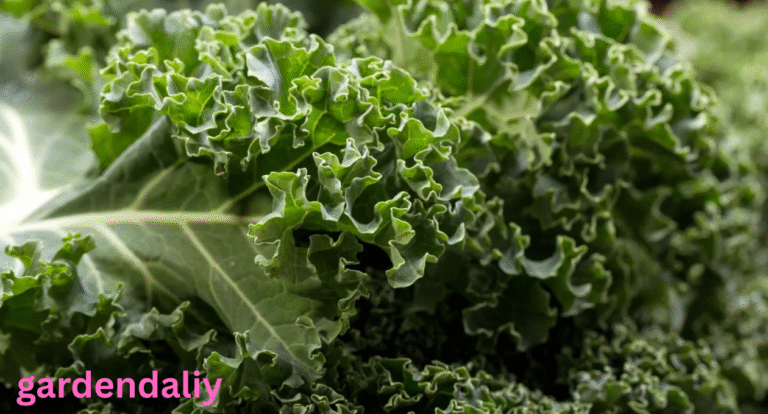
Kale has long been celebrated as a superfood, valued for its high levels of vitamins, minerals, and antioxidants. From smoothies and salads to chips and soups, kale has become a staple in health-conscious diets around the world. However, in recent months, many shoppers and businesses have noticed a kale shortage, with reduced availability and rising prices. This blog explores the key reasons behind the kale shortage, its effects on consumers and the food industry, and practical steps to manage during limited supply.
What Is Causing the Kale Shortage?
Climate and Weather Challenges
One of the main causes of the kale shortage is extreme and unpredictable weather. Kale grows best in cool, stable conditions, but heatwaves, unseasonal frosts, and heavy rainfall have damaged crops in major growing regions. These weather disruptions reduce yields and delay harvests, leading to supply gaps.
Rising costs of seeds, fertilizers, labor, and fuel have forced some farmers to cut back on kale production. In certain regions, growers are switching to crops that offer higher profit margins or are easier to manage, further reducing the overall supply of kale.
Transportation and Supply Chain Issues
Global and regional supply chains continue to face challenges. Delays in transportation, shortages of drivers, and higher fuel prices make it harder and more expensive to move fresh produce like kale from farms to markets before it spoils.
Increased Demand for Healthy Foods
Demand for leafy greens has increased as more people focus on healthy eating and plant-based diets. Kale’s popularity in restaurants, juice bars, and home kitchens has grown faster than supply, contributing to shortages in stores.
Impact of the Kale Shortage
Higher Prices for Consumers
With limited supply and steady demand, kale prices have increased in many grocery stores. Organic kale, in particular, has seen sharper price hikes, making it less affordable for some households.
Restaurant and Food Service Adjustments
Restaurants and cafés that rely on kale for signature dishes are adjusting menus or substituting other greens. Some businesses are passing higher ingredient costs on to customers.
Limited Variety and Quality
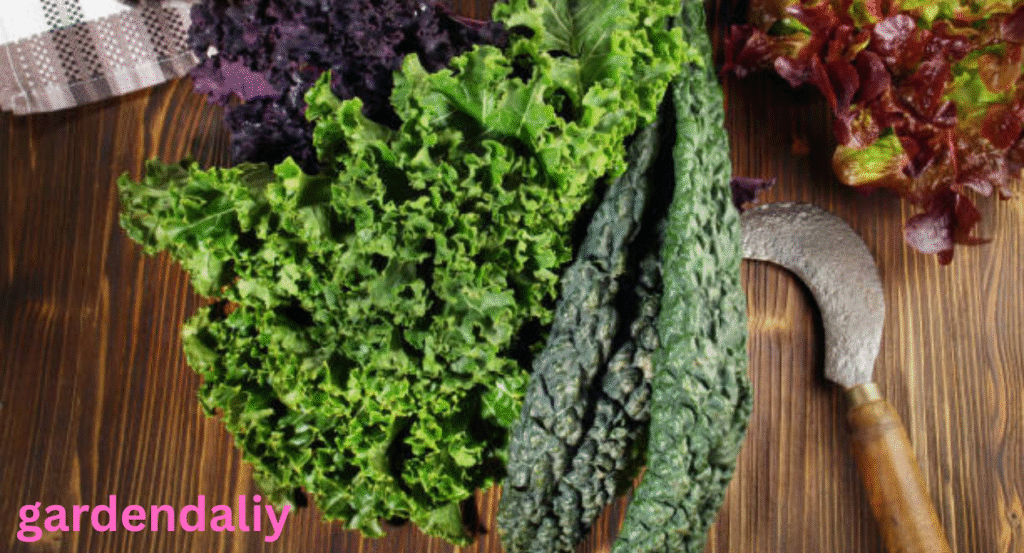
Shoppers may notice fewer kale varieties available, such as curly kale or lacinato kale. In some cases, quality may also vary as suppliers rush to meet demand.
How Consumers Can Adapt
Try Alternative Greens
If kale is hard to find, consider alternatives like spinach, Swiss chard, collard greens, mustard greens, or arugula. These greens offer similar nutritional benefits and work well in most recipes.
Buy Seasonal and Local Produce
Purchasing locally grown greens can help reduce reliance on long supply chains and may provide fresher options when kale is scarce.
Use Frozen Kale
Frozen kale is a practical substitute, especially for soups, stews, and smoothies. It has a longer shelf life and retains much of its nutritional value.
Reduce Food Waste
When kale is available, store it properly and use it efficiently. Washing and storing kale in airtight containers can help extend freshness.
When Will the Kale Shortage End?
The duration of the kale shortage depends on weather conditions, farming decisions, and supply chain stability. If growing conditions improve and logistics challenges ease, supply may gradually return to normal. However, ongoing climate variability suggests that occasional shortages could continue in the future.
Conclusion
The kale shortage highlights how vulnerable fresh produce is to environmental, economic, and logistical pressures. While the shortage has led to higher prices and limited availability, consumers can adapt by exploring alternative greens and smarter shopping choices. As farmers and suppliers adjust, kale is expected to remain available, though possibly with fluctuations in supply and cost.
Q1: Why is there a kale shortage right now? The kale shortage is mainly caused by extreme weather conditions, higher farming costs, supply chain disruptions, and increased demand for healthy leafy greens.
Q2: Is the kale shortage affecting all regions? No, the impact varies by region. Some areas may still have regular supplies, while others experience limited availability and higher prices depending on local production and transportation.
Q3: Has the price of kale increased due to the shortage? Yes, reduced supply combined with steady demand has led to higher prices, especially for organic and specialty varieties of kale.
Q4: What are the best substitutes for kale? Good alternatives include spinach, Swiss chard, collard greens, mustard greens, and arugula. These greens provide similar nutrients and can be used in most kale recipes.
Q5: Is frozen kale a good option during the shortage? Yes, frozen kale is a convenient and nutritious alternative. It has a longer shelf life and works well in smoothies, soups, and cooked dishes.
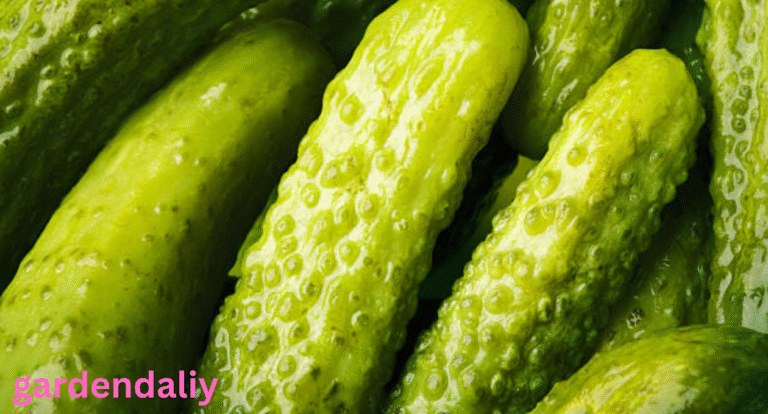
Asian pickled cucumbers are a beloved staple across many Asian cuisines, celebrated for their refreshing crunch, balanced acidity, and ability to elevate even the simplest meal. From spicy Korean oi muchim to sweet-and-sour Japanese sunomono and garlicky Chinese-style pickles, these cucumber dishes showcase how a single vegetable can be transformed into countless flavorful expressions. Beyond taste, Asian pickled cucumbers also reflect deep culinary traditions, preservation techniques, and regional preferences that have been passed down through generations.
Pickling has long been an essential practice in Asian food culture. Historically, it allowed communities to preserve vegetables during seasons of abundance and scarcity. Cucumbers, with their high water content and mild flavor, proved ideal for quick pickling and fermentation. Over time, each region adapted pickling methods based on local ingredients such as rice vinegar, chili paste, soy sauce, sesame oil, and aromatic spices.
In many Asian households, pickled cucumbers are not just a side dish but a palate cleanser and digestive aid. They are commonly served alongside rice, noodles, grilled meats, and fried foods, offering a cooling contrast to rich or spicy dishes.
Popular Styles of Asian Pickled Cucumbers
Chinese-Style Pickled Cucumbers
Chinese pickled cucumbers are typically quick-pickled rather than fermented. They often feature rice vinegar, garlic, soy sauce, sugar, and chili oil. The cucumbers are lightly smashed or sliced to help them absorb the dressing quickly. This style is known for its bold garlic flavor, gentle sweetness, and aromatic heat. It is commonly served as a cold appetizer in homes and restaurants.
Japanese Sunomono
Sunomono is a classic Japanese cucumber pickle made with thinly sliced cucumbers, rice vinegar, sugar, and salt. Sometimes seaweed, sesame seeds, or seafood like crab is added. The flavor profile is clean, lightly sweet, and delicately sour. Sunomono is often enjoyed as a refreshing starter or a side dish in traditional Japanese meals.
Korean Oi Muchim
Oi muchim is a spicy Korean cucumber salad that doubles as a quick pickle. It is seasoned with gochugaru (Korean red chili flakes), garlic, sesame oil, vinegar, and a touch of sugar. The result is a vibrant, spicy, and tangy dish with a satisfying crunch. Oi muchim is frequently served as a banchan, or side dish, alongside Korean barbecue and rice dishes.
Southeast Asian Variations
In countries like Thailand, Vietnam, and Indonesia, pickled cucumbers often accompany rich or spicy foods. These versions may include palm sugar, fish sauce, lime juice, or fresh chilies. The balance of sweet, sour, salty, and spicy flavors is key, making these pickles an essential complement to grilled meats and noodle dishes.
Ingredients That Define Asian Pickled Cucumbers
While recipes vary widely, certain ingredients are commonly used across Asia:
Rice vinegar or palm vinegar for mild acidity
Salt to draw out moisture and enhance crunch
Sugar or palm sugar to balance sourness
Garlic and ginger for aroma and depth
Chilies or chili oil for heat
Sesame oil and seeds for nutty richness
These ingredients work together to create layered flavors without overpowering the natural freshness of cucumbers.
Health Benefits of Pickled Cucumbers
Asian pickled cucumbers are not only flavorful but also offer several health benefits. Cucumbers are low in calories and high in water content, making them hydrating and refreshing. Pickling, especially when lightly fermented, can introduce beneficial probiotics that support gut health.
The vinegar used in pickling may help with digestion and blood sugar regulation, while ingredients like garlic, ginger, and chili provide anti-inflammatory and antioxidant properties. When enjoyed in moderation, pickled cucumbers can be a healthy addition to a balanced diet.
How Asian Pickled Cucumbers Are Served
Asian pickled cucumbers are incredibly versatile. They can be served as:
A light appetizer before meals
A side dish with rice, noodles, or grilled meats
A topping for burgers, sandwiches, or wraps
A refreshing contrast to spicy or fried foods
Their crisp texture and bright flavors make them suitable for both traditional meals and modern fusion dishes.
Modern Popularity and Global Appeal
In recent years, Asian pickled cucumbers have gained global popularity as people explore international cuisines and healthier eating habits. Home cooks appreciate how quick and easy these pickles are to prepare, often requiring no more than 15–30 minutes. Chefs and food bloggers have also embraced them for their bold flavors and adaptability.
From street food stalls to high-end restaurants, Asian pickled cucumbers continue to inspire creative interpretations while staying true to their cultural roots.
Asian pickled cucumbers are a perfect example of how simple ingredients can create extraordinary flavors. Rooted in tradition yet endlessly adaptable, these pickles bring crunch, brightness, and balance to meals across Asia and beyond. Whether mild and sweet, spicy and bold, or delicately sour, Asian pickled cucumbers remain a timeless favorite that celebrates freshness, culture, and culinary creativity
Faqs
1. What are Asian pickled cucumbers? Asian pickled cucumbers are cucumber dishes prepared using vinegar, salt, sugar, and regional seasonings such as garlic, chili, sesame oil, or soy sauce. They are popular across Chinese, Japanese, Korean, and Southeast Asian cuisines.
2. Are Asian pickled cucumbers fermented? Most Asian pickled cucumbers are quick-pickled and not fully fermented. However, some traditional methods involve light fermentation, which can add probiotics and deeper flavor.
3. What type of cucumbers work best for Asian pickling? Persian, Japanese, or English cucumbers are ideal because they have thin skins, fewer seeds, and a crisp texture. Regular cucumbers can also be used if deseeded.
4. How long do Asian pickled cucumbers last? Quick-pickled cucumbers usually last 3–5 days when stored in an airtight container in the refrigerator. Fermented versions can last several weeks if properly stored.
5. Are Asian pickled cucumbers healthy? Yes, they are generally low in calories and can support digestion. Ingredients like vinegar, garlic, and chili provide additional health benefits when consumed in moderation.
Bananas are one of the most widely consumed fruits in the world. Affordable, nutritious, and available year-round, they are a staple in households, schools, and food businesses. However, recent reports and market trends have highlighted a growing banana shortage that is affecting global supply chains, increasing prices, and raising concerns for both consumers and producers. This blog explores the key reasons behind the banana shortage, its effects on different sectors, and what the future may hold.
A banana shortage occurs when demand outpaces supply due to disruptions in production, transportation, or distribution. While bananas are grown in large quantities across tropical regions, they are highly sensitive to environmental conditions and diseases. Even small disruptions can have a ripple effect on global availability.
In recent years, the banana industry has faced multiple challenges simultaneously, making the shortage more noticeable and impactful than in the past.
Major Causes of the Banana Shortage
Climate Change and Extreme Weather
Climate change is one of the leading contributors to the banana shortage. Bananas require specific temperature ranges, rainfall levels, and soil conditions to grow properly. Extreme weather events such as hurricanes, floods, droughts, and heatwaves have damaged banana plantations in major producing countries. Excessive rain can cause root rot, while droughts reduce fruit size and yield, leading to lower overall production.
Plant Diseases and Fungal Infections
Banana crops are highly vulnerable to diseases, particularly fungal infections. One of the most serious threats is Panama disease, a soil-borne fungus that attacks banana plants and can wipe out entire plantations. Once infected, the land becomes unsuitable for banana farming for decades. Since most exported bananas are genetically similar, the spread of disease can quickly reduce global supply.
Rising Production Costs
Farmers are facing increasing costs for fertilizers, pesticides, labor, and fuel. These higher expenses make it difficult for small and medium-sized growers to maintain production levels. In some regions, farmers have reduced planting or switched to other crops that offer better financial stability, further limiting banana supply.
Supply Chain and Transportation Issues
Global supply chains remain vulnerable to disruptions. Delays at ports, container shortages, and higher shipping costs have made it harder to transport bananas efficiently from producing countries to international markets. Since bananas are perishable, even minor delays can result in spoilage and losses, reducing the quantity available for sale.
Labor Shortages
Banana farming is labor-intensive, requiring workers for planting, harvesting, packing, and transportation. Labor shortages in agricultural regions have slowed down operations and reduced output. Migration, aging workforces, and poor working conditions have all contributed to fewer available workers in banana-producing areas.
Impact of the Banana Shortage
Higher Prices for Consumers
One of the most visible effects of the banana shortage is rising prices. As supply tightens, retailers often pass increased costs on to consumers. What was once considered one of the cheapest fruits may now cost noticeably more, particularly in imported markets.
Reduced Availability and Quality
In some areas, bananas may be less consistently available on store shelves. Consumers may also notice smaller sizes, limited variety, or quality issues as suppliers struggle to meet demand with reduced harvests.
Challenges for Food Businesses
Restaurants, bakeries, smoothie bars, and food manufacturers that rely heavily on bananas are feeling the impact. Menu prices may increase, portion sizes may change, or alternative ingredients may be used to offset rising costs and limited supply.
Financial Pressure on Farmers
While higher prices might seem beneficial to farmers, the reality is more complex. Crop losses, higher input costs, and disease outbreaks often outweigh any gains from increased market prices. Many farmers face financial instability and uncertainty about the future of banana farming.
Regional Effects of the Banana Shortage
The impact of the banana shortage varies by region. Countries that rely heavily on imports may experience sharper price increases and availability issues. In contrast, producing countries may face export challenges, job losses, and economic strain if crops fail or disease spreads. Developing economies that depend on banana exports for income are particularly vulnerable.
Efforts to Address the Banana Shortage
Agricultural Innovation
Researchers and agricultural organizations are working to develop disease-resistant banana varieties. These innovations aim to protect crops from devastating infections while maintaining taste and quality. Although progress is being made, large-scale adoption takes time.
Sustainable Farming Practices
Improved farming methods, such as better soil management, efficient irrigation, and crop diversification, can help increase resilience against climate and disease-related challenges. Sustainable practices also support long-term productivity and environmental health.
Strengthening Supply Chains
Investments in transportation infrastructure, cold storage, and logistics management can reduce spoilage and delays. A more resilient supply chain helps ensure bananas reach markets more reliably, even during disruptions.
Supporting Farmers
Providing financial assistance, fair trade practices, and access to technology can help farmers cope with rising costs and production challenges. Stronger support systems are essential to maintaining stable banana supplies in the long term.
What Consumers Can Do
Consumers can adapt to the banana shortage by being flexible with purchasing habits. Buying seasonal and local fruits, reducing food waste, and supporting fair trade bananas can make a positive difference. Awareness of the challenges behind banana production also encourages more responsible consumption.
Conclusion
The banana shortage is the result of a complex combination of climate change, disease, rising costs, and supply chain disruptions. Its effects are felt across the global food system, from farmers in tropical regions to consumers in supermarkets. While the challenges are significant, ongoing research, sustainable practices, and improved support for growers offer hope for stabilizing banana supplies in the future. Understanding the causes and impacts of the banana shortage helps consumers and businesses prepare, adapt, and make informed choices in an increasingly uncertain food landscape.
1. Why is there a banana shortage? The shortage is caused by a combination of climate change, extreme weather, crop diseases like Panama disease, rising production costs, labor shortages, and supply chain disruptions.
2. Which countries are most affected by the banana shortage? Countries that rely heavily on banana imports, such as the United States, Europe, and parts of Asia, are experiencing higher prices and reduced availability. Major producing countries like Ecuador, Colombia, and the Philippines are affected by crop diseases and weather challenges.
3. Are banana prices increasing? Yes, reduced supply and rising production and transportation costs have led to higher prices for consumers in many regions.
4. How does the shortage affect farmers? While higher market prices may seem beneficial, many farmers face losses due to crop damage, disease, and higher input costs, which can threaten their livelihoods.
5. Can the shortage be resolved soon? Solutions include developing disease-resistant banana varieties, adopting sustainable farming practices, strengthening supply chains, and supporting farmers financially. However, these take time, so the shortage may continue in the short term.
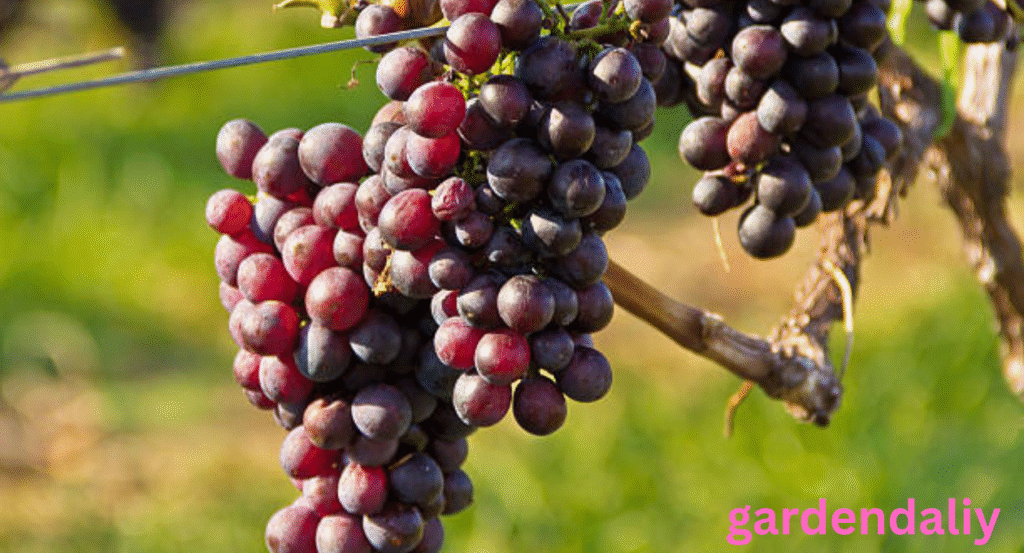
rapes are among the world’s most beloved fruits—enjoyed fresh, dried as raisins, or processed into juices, wines, and jams. But in recent times, many consumers, retailers, and producers have been reporting a noticeable grape shortage. This decline in availability is raising concerns globally as prices rise, supplies shrink, and demand continues to grow.
Climate change is one of the biggest contributors to crop shortages worldwide, and grapes are no exception. Grapevines are sensitive to temperature, rainfall, and sunlight. Unpredictable weather events such as:
Heatwaves
Severe droughts
Heavy rainfall
Early frost
have reduced yields in major grape-producing regions like the U.S., Italy, Chile, and South Africa. These extreme conditions can destroy blossoms, reduce fruit quality, and damage entire vineyards.
2. Water Shortages and Drought
Grapes require consistent irrigation, especially in regions like California’s Central Valley. Prolonged droughts have led to strict water regulations, forcing farmers to reduce production or abandon fields. Water scarcity also affects the cost of production, further tightening supply.
3. Pests and Diseases
The spread of grapevine diseases such as powdery mildew, downy mildew, and pests like the spotted lanternfly has significantly impacted grape harvests. Warmer temperatures create favorable conditions for these threats to spread faster and survive longer.
4. Labor Shortages
Harvesting grapes is labor-intensive. Many regions face worker shortages due to:
Immigration restrictions
Higher labor costs
Declining seasonal worker availability
Without enough labor, growers can’t harvest grapes on time, leading to spoilage and reduced supply.
5. Supply Chain Disruptions
Transportation bottlenecks, fuel price hikes, and port delays have slowed down global distribution. Even when grapes are harvested, getting them to markets quickly has become more challenging.
How the Grape Shortage Affects Consumers
Higher Prices
With demand increasing and supply shrinking, grape prices—both fresh and dried—are rising. Wine and juice industries are also adjusting their prices due to reduced grape availability.
Limited Availability
Supermarkets and fruit vendors may receive smaller shipments, leading to:
Fewer grape varieties
Shorter shelf availability
Seasonal stockouts
Quality Variations
When weather conditions are harsh, the fruit may be smaller, less sweet, or lower in juice content. Producers may prioritize premium markets, reducing availability for general consumers.
Impact on Related Industries
1. Wine Industry
Winemakers are among the hardest hit. Poor grape harvests may lead to:
Fewer wine batches
Higher retail prices
Limited vintage availability
Some wineries are turning to alternative grape varieties or sourcing grapes from different regions.
2. Raisin and Juice Producers
Raisin and juice prices have also risen due to reduced raw material availability. Manufacturers may face production delays or shift to imported grapes.
3. Export Markets
Countries that heavily rely on grape exports may face financial losses and disrupted trade partnerships.
Will the Grape Shortage Continue?
Experts predict that fluctuating weather patterns and supply chain challenges may continue to impact grape production for at least the next few seasons. However, new farming technologies, improved water management, and disease-resistant vine varieties offer hope for long-term stability.
What Consumers Can Do
Buy seasonal produce to get the best prices.
Try alternative fruits like berries, apples, or pears when grapes are expensive.
Support local farmers who grow grapes on a smaller scale.
Store grapes properly to extend freshness and reduce waste.
Conclusion
The grape shortage is a result of interconnected factors including climate change, water scarcity, labor issues, and global supply disruptions. While the impacts are being felt across households and industries, ongoing efforts in sustainable farming, improved logistics, and technological innovation may help stabilize the market in the future. Until then, consumers can expect occasional price hikes and limited availability.
The grape shortage is mainly caused by extreme weather, drought, crop diseases, labor shortages, and global supply chain disruptions that reduce grape production and slow distribution.
2. Which countries are most affected?
Major grape-producing regions like the United States, Chile, Italy, Spain, and South Africa have reported lower yields due to climate and water challenges.
3. Are grape prices increasing?
Yes. With supply decreasing and demand remaining high, grape prices—both fresh and processed—have increased in many markets.
4. How does the shortage affect the wine industry?
Winemakers face fewer grapes for production, leading to limited batches, higher prices, and potential changes in wine quality or availability.
5. Will raisin and juice prices also rise?
Yes. Since raisin and juice producers rely heavily on grape supply, reduced harvests can lead to higher production costs and increased retail prices.
Pickles have long been a beloved staple in homes, restaurants, and fast-food chains across the world. Whether added to burgers, served as a crunchy snack, or used in recipes, pickles hold a special place in many kitchens. However, in recent times, consumers have noticed empty shelves where jars of dill, sweet, and fermented pickles once sat. This growing concern is known as the pickle shortage, and it has sparked questions about what is causing the supply gap and when it might end.
Understanding the reasons behind the pickle shortage helps consumers, retailers, and food businesses plan better while managing expectations. Below, we explore the main causes, the impact on the market, and what the future might look like.
1. What Is the Pickle Shortage?
The pickle shortage refers to the reduced availability of pickles in grocery stores and restaurants due to disruptions in the supply chain. This includes shortages of raw cucumbers, vinegar, jars, lids, and labor—all of which play a crucial role in pickle production. As demand remains steady or even increases, the shortage becomes more noticeable, leading to higher prices and limited variety on shelves.
2. Causes Behind the Pickle Shortage
Multiple factors have contributed to the current shortage. These issues overlap across agriculture, transportation, packaging, and the global economy.
a. Poor Cucumber Harvests
Cucumbers are the foundation of most pickles. Weather-related challenges—such as extreme heat, droughts, or unexpected heavy rain—have damaged cucumber crops in major producing regions. A weak harvest means fewer cucumbers available for commercial pickling companies, which directly impacts production levels.
b. Rising Production Costs
Even when cucumbers are available, the cost of converting them into pickles has risen. Vinegar, salt, spices, and dill have all experienced price increases due to global supply-chain interruptions. Additionally, energy costs required for processing and storage have also risen, making pickle production more expensive.
c. Packaging Shortages
Pickles require glass jars and metal lids, both of which have faced shortages in recent years. Glass manufacturing delays and aluminum scarcity have slowed production and made packaging more costly. Without jars, even companies with enough cucumbers cannot produce enough finished products.
d. Labor Shortages in Agriculture & Manufacturing
From harvesting cucumbers to processing them in factories, labor shortages have affected multiple steps of the production cycle. Many farms and food-processing plants report fewer workers, leading to slower output and delays in shipments.
e. Transportation & Logistics Issues
High fuel prices, fewer truck drivers, and congested shipping lanes all contribute to delays in getting pickles from factories to store shelves. Even when pickles are produced on time, slow transport reduces availability in markets.
3. How the Pickle Shortage Affects Consumers
The shortage impacts shoppers in several noticeable ways:
Higher Prices
With supply down and demand steady, prices for pickles have increased. Some brands cost significantly more, while discount brands may disappear entirely.
Limited Variety
Many stores may not carry flavored varieties like spicy dill, bread-and-butter, or garlic pickles. Popular options may sell out quickly and take longer to restock.
Restaurant Adjustments
Fast-food chains and delis that rely on pickles for burgers, sandwiches, and sides may reduce serving sizes or temporarily remove them from certain menu items.
4. Impact on the Food Industry
Restaurants, fast-food places, and packaged-food companies are all feeling the pressure. Pickles are included in countless menu items, so shortages disrupt daily operations. Some businesses are:
Switching suppliers
Considering alternative pickle styles
Buying in bulk to avoid future shortages
Adjusting menu prices
Food manufacturers that rely on pickles for products like relish, sauces, and garnishes also face increased production costs.
5. How Long Will the Pickle Shortage Last?
The duration depends on several factors:
Cucumber harvest success next season
Stability in packaging supplies
Improved labor availability
Lower shipping costs and smoother logistics
If crop conditions improve and supply chains stabilize, the shortage could ease within a season or two. However, long-term disruptions may extend the issue.
6. Tips for Consumers During the Pickle Shortage
While waiting for supply to return to normal, shoppers can take a few steps:
a. Buy Only What You Need
Avoid hoarding, as it worsens shortages.
b. Try Different Brands
Lesser-known or local pickle makers may still have stock.
c. Explore Alternatives
Fermented or homemade pickles can be a fun and fresh replacement.
d. Make Your Own Pickles
Cucumber prices vary by region, and homemade pickles require only basic ingredients. This can also be more affordable.
7. The Bright Side: Increased Interest in Homemade Pickling
The shortage has sparked new interest in home pickling. Many people are learning how to:
Ferment cucumbers naturally
Create flavored pickles
Store pickles safely for months
This trend not only fills the gap but also supports sustainable, local food habits.
Conclusion
The pickle shortage is the result of multiple intertwined factors including poor harvests, rising production costs, packaging shortages, and labor issues. While it has created challenges for consumers and the food industry, it has also inspired creativity, from trying new brands to learning home pickling. As supply chains recover and cucumber harvests improve, the shortage is expected to ease, bringing everyone’s favorite crunchy snack back to shelves more consistently.
The pickle shortage is mainly caused by poor cucumber harvests, higher production costs, packaging shortages, labor issues, and transportation delays. All these factors reduce the supply of pickles in stores.
2. Which products are most affected by the shortage?
Dill pickles, sweet pickles, bread-and-butter varieties, and pickle chips used by restaurants are among the most affected. Many stores also have limited availability of specialty or flavored pickles.
3. Are cucumber shortages the main reason?
Yes. Since cucumbers are the primary ingredient in most pickles, lower yields due to extreme weather play a major role in reducing pickle production.
4. Why are pickle prices increasing?
Prices are going up because the cost of ingredients, packaging materials, transportation, and labor has risen. With less supply and steady demand, prices naturally climb.
5. How long will the pickle shortage last?
The duration depends on upcoming cucumber harvests, improvements in supply chains, and better availability of packaging materials. If conditions improve, the shortage may ease within a season.
When you think of small, round, juicy fruits growing in clusters, Fruits That Look Like Grapes are probably the first thing that come to mind. But the natural world is full of surprises, and many fruits share a remarkable resemblance to grapes—sometimes in appearance, sometimes in flavor, and occasionally in how they grow. These grape doppelgangers often confuse shoppers, intrigue gardeners, and delight adventurous eaters.
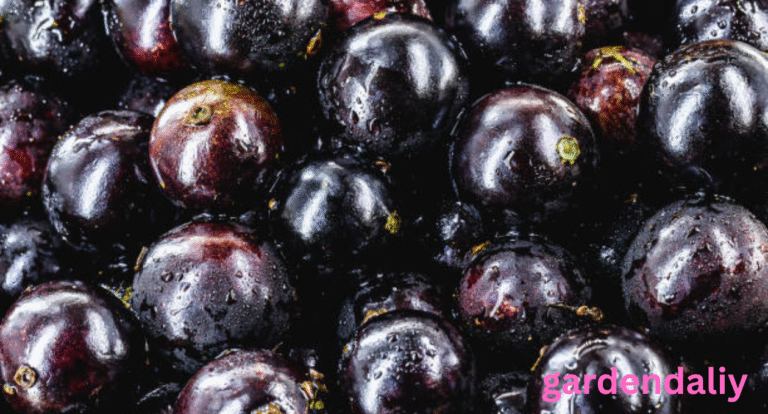
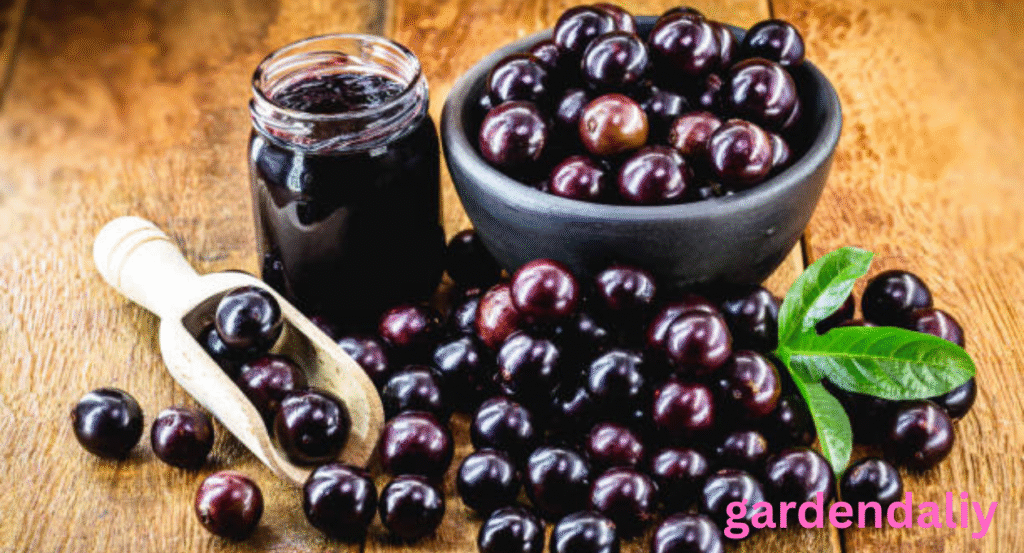
One of the most iconic grape look-alikes is the jabuticaba, a striking fruit native to Brazil. At first glance, its appearance is almost identical to a dark purple grape. However, jabuticaba grows in one of the most unusual ways: directly on the trunk and branches of the tree in a phenomenon known as cauliflory. This gives the tree a magical, almost fantasy-like appearance when in full fruit.
Jabuticaba has a sweet, grape-like flavor with a slightly tangy twist, and its gelatinous pulp is often used to make jellies, wines, and liqueurs. Though they resemble grapes, their growth habit and tropical flavor give them an unmistakable identity.
2. Currants (Red, Black, and White)
Currants are small berries that grow in clusters, making them easy to confuse with tiny grapes at first glance. Black currants especially look like miniature dark grapes, while red and white currants shine like jewel-toned beads.
Despite their resemblance, currants have a bold tartness that sets them apart. They are rich in antioxidants and commonly used in jams, sauces, syrups, and desserts. Their compact clusters and similar shape often lead gardeners to refer to them as “grape-like berries,” even though their flavor profile is distinct.
3. Muscadine Grapes
Although muscadines are technically a type of grape, they differ enough in appearance and taste to earn a spot on this list. Native to the southeastern United States, muscadines are larger, rounder, and often thicker-skinned than typical table grapes.
From a distance, however, they can easily be mistaken for oversized grapes—especially the bronze or purple varieties. Their sweet, robust flavor makes them a favorite for wines, preserves, and fresh snacking. While they are grapes, their unique characteristics prompt many to see them as a grape “cousin” rather than a twin.
4. Longan
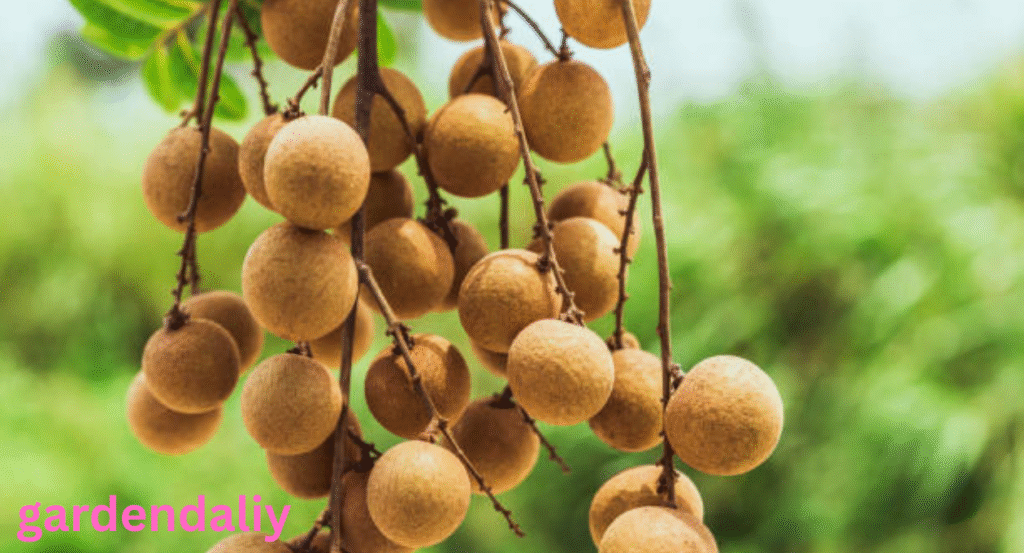
At first glance before peeling, longan fruit can look like pale, beige-colored grapes. They grow in hanging clusters and share a similar size and round shape. Longan, meaning “dragon’s eye” in Chinese, gets its name from its appearance when peeled: translucent flesh with a dark seed at the center.
Though its external color is more muted, its cluster-growing habit often leads people to identify it as a grape-like tropical fruit. Longan has a mild, sweet flavor and is a popular snack as well as an ingredient in Asian desserts and teas.
5. Lychee
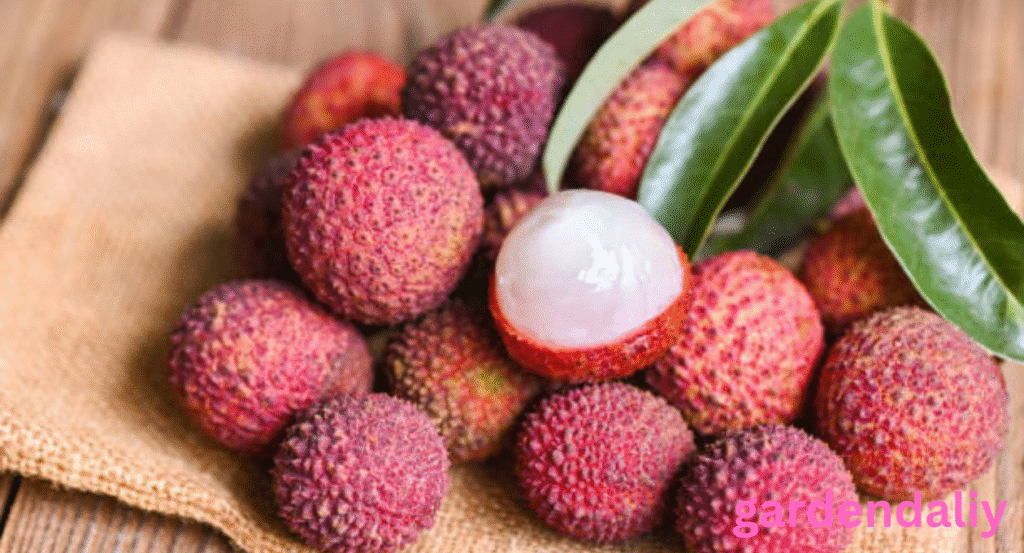
Just like longan, lychee is another fruit commonly mistaken for a grape—especially when peeled. While its bumpy red exterior does not resemble a grape, the inside is strikingly similar: juicy, translucent flesh with a scent that’s sweet and floral.
Lychee fruits grow in clusters like grapes, and their bite-size structure makes them visually comparable. Their flavor, however, is more aromatic and exotic, often described as a blend of rose, pear, and watermelon.
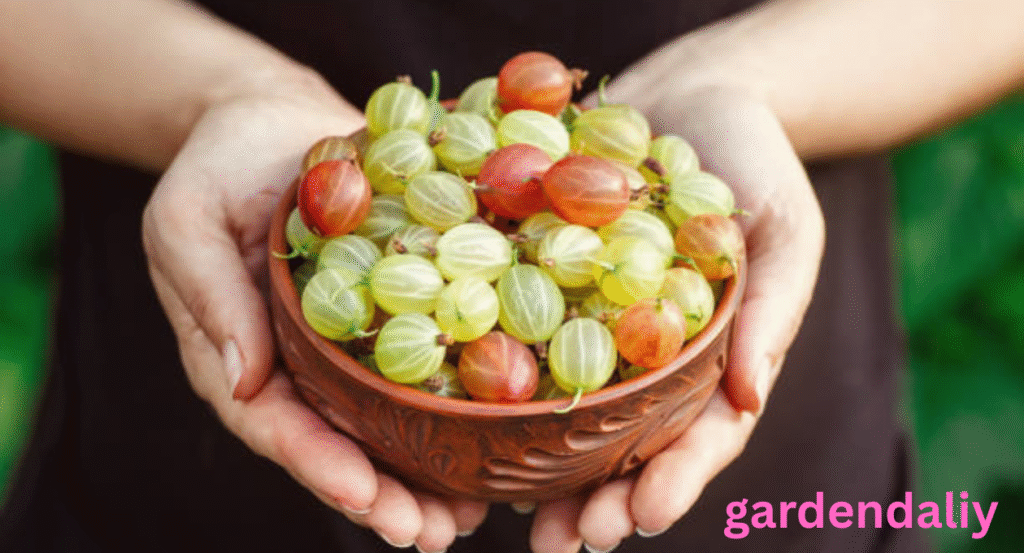
6. Gooseberries
Gooseberries come in various colors—green, red, and purple—and their round, grape-like shape often confuses people unfamiliar with them. Some varieties are almost indistinguishable from small, firm grapes. When ripe, gooseberries can be sweet or pleasantly tart, and they are commonly used in pies, chutneys, and jams.
Their thin, sometimes veiny skin gives them a slightly different texture, but their appearance alone earns them a spot on the list of grape look-alikes.
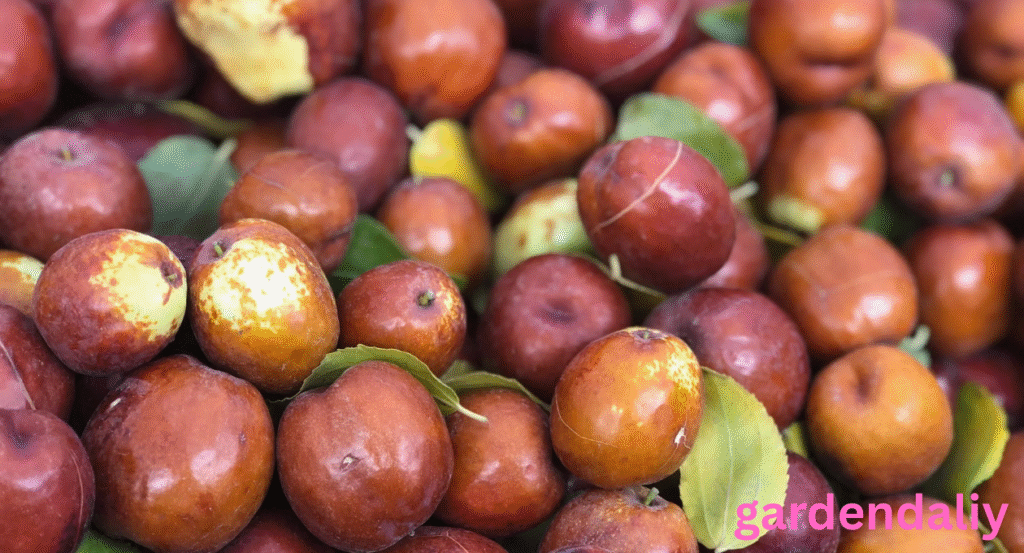
7. Jujube (When Dried or Unripe)
The jujube, also known as the Chinese date, doesn’t always look like a grape—but certain stages of its growth make it surprisingly similar. Young, unripe jujubes are small, smooth, and green, resembling oversized grapes. Once dried, some varieties mimic the color and wrinkled look of raisins, reinforcing the comparison.
Jujubes taste sweet and crisp when fresh, with a texture similar to apples, offering a grape-like look but a completely different experience.
Why Do So Many Fruits Resemble Grapes?
Grapes have an efficient and successful evolutionary design: small, enticing fruits clustered for easy dispersal by animals. Many plants naturally adopt similar structures because they appeal to birds and mammals, aiding in seed distribution. This is why grape-like fruits appear across continents and climates—from tropical forests to temperate gardens.
Conclusion
Fruits that look like grapes are a fascinating reminder of nature’s creativity. While they may share similar shapes, sizes, or cluster formations, each has a unique flavor, texture, and cultural significance. From the trunk-growing jabuticaba to the translucent lychee and longan, these grape look-alikes offer exciting culinary experiences and nutritional benefits. Whether you’re discovering them for the first time or expanding your fruit knowledge, exploring these grape-like fruits adds richness to your culinary adventures and appreciation for global produce diversity.
1. What fruit is most commonly mistaken for grapes?
Jabuticaba and currants are two of the fruits most frequently mistaken for grapes because of their round shape and clustered growth. Longan and lychee also look very grape-like when peeled.
2. Are any of these grape look-alike fruits related to grapes?
Yes—muscadine grapes are actually a variety of grape. The other fruits, such as lychee, longan, and jabuticaba, are not botanically related but only resemble grapes in appearance.
3. Can grape-like fruits be used the same way as grapes?
Some can! Currants and muscadines are commonly used in preserves and wines. Lychee and longan are great for desserts and drinks. However, each fruit has its own flavor, so substitutions may slightly change the taste of a recipe.
4. Which grape look-alike fruit is the sweetest?
Lychee and longan are among the sweetest. They have juicy, floral, and fragrant flavors that many people enjoy fresh.
5. Where can I buy these fruits?
You can find many of them in Asian markets, international grocery stores, farmer’s markets, or specialty produce shops. Some, like currants, are more common in cooler climates and are grown locally in certain regions.
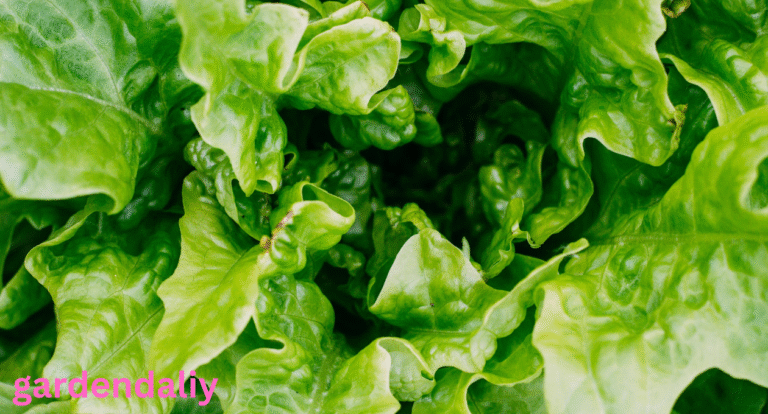
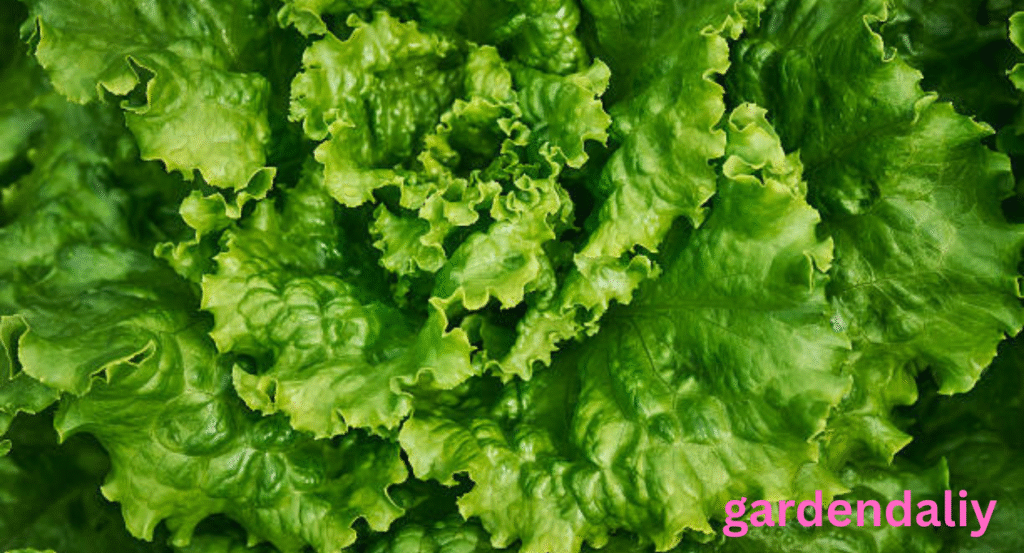
Lettuce is a staple ingredient found in salads, sandwiches, wraps, and countless everyday meals. However, in recent times, many consumers and businesses have noticed rising prices and limited availability of lettuce in grocery stores and restaurants. This situation, often referred to as a lettuce shortage, is the result of several interconnected factors affecting the global food supply chain. In this blog, we will explore what a lettuce shortage is, why it happens, and how it affects consumers, farmers, and the food industry.
A lettuce shortage occurs when the supply of lettuce is unable to meet consumer demand. This does not always mean that lettuce completely disappears from shelves, but rather that availability becomes inconsistent, quality may decline, and prices increase. Shortages can affect different varieties such as iceberg, romaine, butterhead, and leaf lettuce, depending on growing conditions and regional challenges
Main Causes of the Lettuce Shortage
1. Extreme Weather Conditions
Lettuce is a delicate crop that requires specific temperature ranges to grow properly. Heatwaves, unexpected frosts, heavy rainfall, and droughts can severely damage crops. When major growing regions experience unfavorable weather, harvest yields drop significantly, leading to supply shortages.
2. Climate Change
Long-term climate change has increased the frequency of extreme weather events. Shifting seasons and unpredictable temperatures make it harder for farmers to plan planting and harvesting schedules. As a result, lettuce production has become more vulnerable to disruption.
3. Labor Shortages
Harvesting lettuce is labor-intensive and often requires skilled agricultural workers. Labor shortages caused by migration restrictions, rising labor costs, or lack of available workers can slow down harvesting and reduce the amount of lettuce that reaches the market.
4. Transportation and Supply Chain Issues
Even when lettuce is successfully grown and harvested, it must be transported quickly because it is highly perishable. Fuel price increases, truck driver shortages, and logistical delays can disrupt distribution, causing lettuce to spoil before reaching retailers.
5. Rising Production Costs
Farmers face increasing costs for seeds, fertilizers, water, packaging, and fuel. When production becomes more expensive, some growers reduce planting acreage, which ultimately lowers total supply.
Impact on Consumers
For consumers, a lettuce shortage usually means higher prices and fewer choices at the store. Shoppers may notice smaller lettuce heads, wilted leaves, or limited varieties available. In some cases, consumers may need to substitute lettuce with alternative greens such as spinach, kale, or cabbage.
Impact on Restaurants and Food Businesses
Restaurants, fast-food chains, and catering services rely heavily on lettuce for salads, burgers, tacos, and wraps. During a shortage, many businesses are forced to:
Increase menu prices
Reduce portion sizes
Temporarily remove lettuce-based items
Switch to alternative greens
These changes can affect customer satisfaction and profit margins.
Impact on Farmers
Farmers are often the most affected by lettuce shortages. While higher market prices may seem beneficial, crop losses due to weather or disease can outweigh profits. Smaller farms, in particular, may struggle to recover from repeated losses and rising operational costs.
How Long Do Lettuce Shortages Last?
The duration of a lettuce shortage depends on the cause. Weather-related shortages may last a few weeks or months until new crops are harvested. However, shortages linked to climate change, labor issues, or rising costs can persist longer and may occur more frequently over time.
Possible Solutions and Adaptations
1. Diversified Growing Regions
Growing lettuce in multiple regions helps reduce dependence on a single area. If one region experiences crop failure, others may still supply the market.
2. Greenhouse and Indoor Farming
Controlled-environment agriculture, such as hydroponics and vertical farming, allows lettuce to be grown year-round with less reliance on weather conditions.
3. Consumer Flexibility
Consumers can adapt by trying seasonal alternatives or mixing different greens in their meals. This flexibility can reduce pressure on lettuce demand during shortages.
Conclusion
The lettuce shortage highlights how sensitive our food system is to weather, labor, and supply chain disruptions. While lettuce remains widely consumed, its availability is increasingly affected by environmental and economic factors. By understanding the causes and impacts of lettuce shortages, consumers can make informed choices, and producers can work toward more resilient farming methods. As agriculture continues to adapt, future shortages may become easier to manage—but flexibility and awareness will remain key.
The shortage is mainly caused by extreme weather, plant diseases like INSV, and supply chain disruptions. These factors have reduced lettuce yields in major growing regions, causing scarcity and higher prices.
2. Which types of lettuce are most affected?
Iceberg and romaine lettuce have been hit the hardest because they are commonly grown in the regions most affected by drought and plant viruses. Leaf lettuces and greenhouse-grown varieties may be more available.
3. Why is lettuce so expensive right now?
Low crop yields combined with high production costs—such as fuel, fertilizer, and labor—have pushed prices up. Limited supply plus strong demand creates a price surge.
4. How long will the lettuce shortage last?
It depends on weather patterns, disease control, and planting cycles. Some shortages last only a few months, while severe impacts from INSV or drought can extend shortages for an entire season.
5. Is the lettuce shortage worldwide?
While the most severe shortages have occurred in the U.S., Canada, Australia, and parts of Europe, many regions globally have experienced price increases due to interconnected supply chains.
6. Can I still buy lettuce at the grocery store?
Yes, but availability may vary by region and season. You may find smaller heads, lower quality, or higher prices depending on local supply levels.
grapes expensive are one of the world’s most beloved fruits—sweet, juicy, and incredibly versatile. From fresh table grapes to raisins, jams, and, of course, wine, this small fruit plays a massive role in global food culture. Yet many shoppers today notice something puzzling: grapes are getting more expensive, and in some places, the price seems almost unreasonable for such a simple fruit.
Why is this happening? What makes grapes, especially premium varieties, cost as much as they do? The answer lies in a mix of climate challenges, labor-intensive farming, global demand, and the rise of luxury fruit culture.
1. Grapes Are One of the Most Labor-Intensive Fruits
Unlike fruits that can be harvested mechanically, many grapes—especially high-quality table grapes—require delicate, hands-on care. Workers must:
Monitor vine growth
Prune the plants several times a year
Protect the grapes from pests
Select bunches carefully
Harvest by hand to avoid damaging the fruit
This requires skilled labor, and with rising wages and stricter labor regulations in many countries, the cost of maintaining vineyards continues to grow.
Furthermore, grape bunches are fragile. One mistake in harvesting or packing can damage the entire cluster, making careful handling essential. The cost of this labor is directly reflected in the final price consumers see at the market.
2. Climate Change Has a Direct Impact on Grape Prices
Grapes are highly sensitive to environmental conditions. Too much heat, too little rain, unexpected frost, or prolonged drought can all affect grape yield and quality. In recent years, extreme weather patterns have been hitting major grape-growing regions like:
California
Chile
Spain
Italy
South Africa
Australia
For example, heatwaves can cause grapes to ripen too quickly, leading to sweetness imbalances. Heavy rain can result in fungal diseases, forcing farmers to use more resources to save the crop.
When harvests shrink because of weather issues, supply goes down while demand stays the same, pushing prices higher.
3. The Rise of Premium and Luxury Grape Varieties
One of the most fascinating trends in recent years is the explosion of premium grape varieties. These include high-value grapes like:
Cotton Candy grapes
Moon Drops
Globe grapes
Japanese varieties like Shine Muscat and Ruby Roman
These grapes aren’t just grown—they’re engineered through selective breeding to deliver unique flavors, larger sizes, and a near-perfect appearance.
Developing new varieties can take years or even decades, and the licensing rights, patents, and specialized growing techniques make these grapes more expensive. For example, Japan’s famous Ruby Roman grapes can sell for hundreds or thousands of dollars per bunch because they meet exclusive standards for size, sweetness, and appearance.
Though everyday shoppers aren’t paying those extreme prices, the trend has still pushed the average grape market upward, especially for varieties with enhanced flavor profiles.
4. High Transportation and Storage Costs
Grapes are delicate and spoil easily. To reach markets in perfect condition, they require special:
Temperature-controlled storage
Fast transportation
Careful packaging
Inspections throughout the journey
A box of grapes from Chile or South Africa might travel thousands of kilometers to reach consumers in Asia, Europe, or North America. This international supply chain adds fuel costs, shipping fees, and cold-storage expenses—all of which increase the retail price.
The rise in global fuel prices and shipping disruptions in recent years has made imported grapes noticeably more expensive.
5. Pests and Diseases Increase Production Costs
Grapevines are vulnerable to pests like leafhoppers, mites, and fungal diseases like powdery mildew. Farmers must invest heavily in:
Pest management systems
Fungicides
Monitoring equipment
Protective netting
Organic grape farms face even higher challenges because they cannot use many conventional treatments, making their grapes costlier to produce.
When farmers spend more to protect their crops, the price of the final product naturally rises.
6. High Consumer Demand Keeps Prices Elevated
From fresh fruit to wine production, grapes are always in high demand. They’re not just a seasonal treat—they’re consumed year-round, and people increasingly prefer seedless, large, sweet varieties. Because the market demands perfect-looking grapes with long shelf life, growers must put extra effort into producing premium-quality fruit.
Global consumption keeps rising, but not all regions can keep up with demand. As a result, prices stay high even during good harvest seasons.
7. Packaging and Presentation Matter More Than Ever
Consumers are drawn to appealing packaging—clamshell boxes, bags with ventilation holes, or premium trays. These packaging materials help protect delicate grapes but also add cost.
Sustainable packaging, which is growing in demand, is even more expensive than conventional options. As the industry moves toward environmentally friendly solutions, these upgrades will continue to influence grape prices.
Conclusion
Grapes may seem like a simple fruit, but the journey from the vineyard to your grocery basket is far more complex than most people realize. Their price reflects a combination of labor-intensive farming, climate challenges, pest control, transportation costs, and the rising demand for high-quality, seedless, and specialty varieties. As growers work harder to maintain consistent quality in an unpredictable environment, consumers inevitably pay a little more. Understanding these factors not only explains the cost but also deepens our appreciation for this small yet remarkable fruit. Whether enjoyed fresh, turned into raisins, or transformed into wine, grapes will continue to hold a special place in global food culture—regardless of their price.
Grapes are expensive because of rising labor costs, climate change, high transportation expenses, and increasing demand for premium varieties. Grapes also require intensive care and manual harvesting, which raises production costs.
2. Do premium grape varieties cost more to grow?
Yes. Specialty grapes like Cotton Candy, Moon Drops, Shine Muscat, and Ruby Roman require years of breeding, strict growing conditions, and specific licensing, making them more expensive to produce.
3. Does climate change affect grape prices?
Absolutely. Extreme heat, drought, frost, and heavy rainfall can damage grape crops, reducing supply. When harvests shrink, prices rise due to limited availability.
4. Why do imported grapes cost more?
Imported grapes require long-distance transportation, cold storage, and careful packaging to stay fresh. Higher fuel costs and shipping delays also raise prices.
5. Why can’t grapes be harvested by machines?
Most table grapes are delicate and easily damaged. Mechanical harvesting can crush or bruise them, so hand-picking is preferred to ensure quality, which increases labor costs.
If you’ve walked into a grocery store recently and noticed the lemon display looking a little… empty, you’re not alone. A growing lemon shortage has been making its way across markets, restaurants, and homes, leaving many people wondering why prices are climbing and availability is shrinking. Lemons may be small, but they play a big role—whether you use them for cooking, cleaning, or refreshing your water. So what exactly is causing the lemon shortage, and what does it mean for all of us? Let’s break it down.
The main reasons for the lemon shortage are climate issues, reduced crop production, and higher transportation costs. Many of the world’s lemons come from countries like Mexico, Argentina, and Spain. When any of these regions face weather challenges, the entire global supply feels the impact. In recent months, drought conditions, extreme heat, and unexpected cold snaps have affected lemon farms, reducing harvest sizes and slowing growth.
Mexico, one of the biggest lemon suppliers to the United States, has had unusually high temperatures and water shortages. This means lemon trees aren’t producing the amount of fruit they normally would. Farmers are working with less water and more unpredictable weather patterns, which makes it difficult to guarantee a stable supply.
Transportation costs have also increased, making it more expensive to move lemons from farms to markets. Fuel prices, shipping delays, and labor shortages affect how quickly produce gets delivered. When supply goes down and costs go up, the result is exactly what we’re seeing now: fewer lemons and higher prices.
How the Shortage Is Affecting Consumers
If you feel like your grocery bill has gone up recently, especially in the produce aisle, you’re definitely not imagining things. Lemon prices have risen noticeably due to the limited supply. Some stores have even placed restrictions on how many lemons customers can buy at one time. Restaurants and cafes are also feeling the squeeze. Many have reduced lemon garnishes or switched to lemon alternatives to keep costs under control.
The shortage also affects products that rely on lemons, like lemonade, lemon juice, cleaning products, and even cosmetics. When the raw ingredient becomes hard to find, everything made from it becomes pricier too. This might explain why your favorite lemonade brand is suddenly more expensive or why that lemon-scented cleaner you love is out of stock.
How Long Will the Shortage Last?
Experts predict that the lemon shortage may continue for a few more months until weather conditions improve and new harvests can stabilize the supply chain. It largely depends on how quickly lemon-producing regions recover from recent climate challenges. Farmers need time to grow new crops, and even when conditions improve, it can take months for the market to feel the difference.
The good news is that shortages like this usually don’t last forever. As weather conditions normalize and transportation becomes more consistent, lemon availability should start returning to what we’re used to. Until then, we’ll probably continue to see higher prices and limited stock in stores.
Smart Alternatives to Use During the Shortage
Even though the shortage is frustrating, there are plenty of creative ways to work around it until lemon supplies bounce back. Here are a few helpful alternatives to try:
Bottled Lemon Juice: While fresh is always best, bottled lemon juice still adds that tangy flavor to dishes and drinks. Just check the label to make sure it’s pure juice with no added sweeteners.
Lime: Limes are a natural substitute and often easier to find. They’re great for marinades, cocktails, and salad dressings.
Vinegar: Apple cider vinegar or white vinegar can replace lemon juice in some recipes, especially for baking or marinades.
Citric Acid: A tiny pinch of citric acid can mimic lemon’s acidity without changing flavors too much.
Lemon Extract: A concentrated option perfect for baking or adding lemon flavor without fresh fruit.
These swaps won’t replace a fresh lemon slice in your water or a lemon wedge on seafood, but they definitely help when lemons are hard to find.
Conclusion
The lemon shortage has created noticeable challenges for shoppers, restaurants, and manufacturers alike. With extreme weather, reduced harvests, and rising transportation costs all playing a role, the supply of lemons has tightened and prices have gone up. While this situation is frustrating—especially for those who rely on lemons for cooking, cleaning, or beverages—it’s important to remember that shortages like this are usually temporary. As growing conditions improve and supply chains stabilize, lemon availability will gradually return to normal. Until then, using smart substitutes and being flexible with recipes can help you navigate this citrus squeeze without too much inconvenience.
1. Why is there a lemon shortage right now? The current lemon shortage is mainly due to extreme weather conditions, reduced crop yields, and rising transportation costs in major lemon-producing regions.
2. How long is the lemon shortage expected to last? Experts predict the shortage may continue for a few more months, depending on weather recovery and new harvest cycles.
3. Are lemon prices going to stay high? Prices will likely remain elevated until supply increases. Once production stabilizes, prices should gradually return to normal.
4. What can I use instead of lemons? Limes, bottled lemon juice, vinegar, citric acid, and lemon extract are great substitutes for cooking and baking.
5. Are restaurants affected by the lemon shortage? Yes. Many restaurants have reduced lemon garnishes, switched to alternatives, or limited lemon-based menu items due to high costs and low availability.
If you’ve walked into a grocery store recently and noticed the lemon display looking a little… empty, you’re not alone. A growing lemon shortage has been making its way across markets, restaurants, and homes, leaving many people wondering why prices are climbing and availability is shrinking. Lemons may be small, but they play a big role—whether you use them for cooking, cleaning, or refreshing your water. So what exactly is causing the lemon shortage, and what does it mean for all of us? Let’s break it down.
What’s Behind the Lemon Shortage?
The main reasons for the lemon shortage are climate issues, reduced crop production, and higher transportation costs. Many of the world’s lemons come from countries like Mexico, Argentina, and Spain. When any of these regions face weather challenges, the entire global supply feels the impact. In recent months, drought conditions, extreme heat, and unexpected cold snaps have affected lemon farms, reducing harvest sizes and slowing growth.
Mexico, one of the biggest lemon suppliers to the United States, has had unusually high temperatures and water shortages. This means lemon trees aren’t producing the amount of fruit they normally would. Farmers are working with less water and more unpredictable weather patterns, which makes it difficult to guarantee a stable supply.
Transportation costs have also increased, making it more expensive to move lemons from farms to markets. Fuel prices, shipping delays, and labor shortages affect how quickly produce gets delivered. When supply goes down and costs go up, the result is exactly what we’re seeing now: fewer lemons and higher prices.
How the Shortage Is Affecting Consumers
If you feel like your grocery bill has gone up recently, especially in the produce aisle, you’re definitely not imagining things. Lemon prices have risen noticeably due to the limited supply. Some stores have even placed restrictions on how many lemons customers can buy at one time. Restaurants and cafes are also feeling the squeeze. Many have reduced lemon garnishes or switched to lemon alternatives to keep costs under control.
The shortage also affects products that rely on lemons, like lemonade, lemon juice, cleaning products, and even cosmetics. When the raw ingredient becomes hard to find, everything made from it becomes pricier too. This might explain why your favorite lemonade brand is suddenly more expensive or why that lemon-scented cleaner you love is out of stock.
How Long Will the Shortage Last?
Experts predict that the lemon shortage may continue for a few more months until weather conditions improve and new harvests can stabilize the supply chain. It largely depends on how quickly lemon-producing regions recover from recent climate challenges. Farmers need time to grow new crops, and even when conditions improve, it can take months for the market to feel the difference.
The good news is that shortages like this usually don’t last forever. As weather conditions normalize and transportation becomes more consistent, lemon availability should start returning to what we’re used to. Until then, we’ll probably continue to see higher prices and limited stock in stores.
Smart Alternatives to Use During the Shortage
Even though the shortage is frustrating, there are plenty of creative ways to work around it until lemon supplies bounce back. Here are a few helpful alternatives to try:
Bottled Lemon Juice: While fresh is always best, bottled lemon juice still adds that tangy flavor to dishes and drinks. Just check the label to make sure it’s pure juice with no added sweeteners.
Lime: Limes are a natural substitute and often easier to find. They’re great for marinades, cocktails, and salad dressings.
Vinegar: Apple cider vinegar or white vinegar can replace lemon juice in some recipes, especially for baking or marinades.
Citric Acid: A tiny pinch of citric acid can mimic lemon’s acidity without changing flavors too much.
Lemon Extract: A concentrated option perfect for baking or adding lemon flavor without fresh fruit.
These swaps won’t replace a fresh lemon slice in your water or a lemon wedge on seafood, but they definitely help when lemons are hard to find.
Conclusion
The lemon shortage has created noticeable challenges for shoppers, restaurants, and manufacturers alike. With extreme weather, reduced harvests, and rising transportation costs all playing a role, the supply of lemons has tightened and prices have gone up. While this situation is frustrating—especially for those who rely on lemons for cooking, cleaning, or beverages—it’s important to remember that shortages like this are usually temporary. As growing conditions improve and supply chains stabilize, lemon availability will gradually return to normal. Until then, using smart substitutes and being flexible with recipes can help you navigate this citrus squeeze without too much inconvenience.
FAQs
1. Why is there a lemon shortage right now? The current lemon shortage is mainly due to extreme weather conditions, reduced crop yields, and rising transportation costs in major lemon-producing regions.
2. How long is the lemon shortage expected to last? Experts predict the shortage may continue for a few more months, depending on weather recovery and new harvest cycles.
3. Are lemon prices going to stay high? Prices will likely remain elevated until supply increases. Once production stabilizes, prices should gradually return to normal.
4. What can I use instead of lemons? Limes, bottled lemon juice, vinegar, citric acid, and lemon extract are great substitutes for cooking and baking.
5. Are restaurants affected by the lemon shortage? Yes. Many restaurants have reduced lemon garnishes, switched to alternatives, or limited lemon-based menu items due to high costs and low availability.