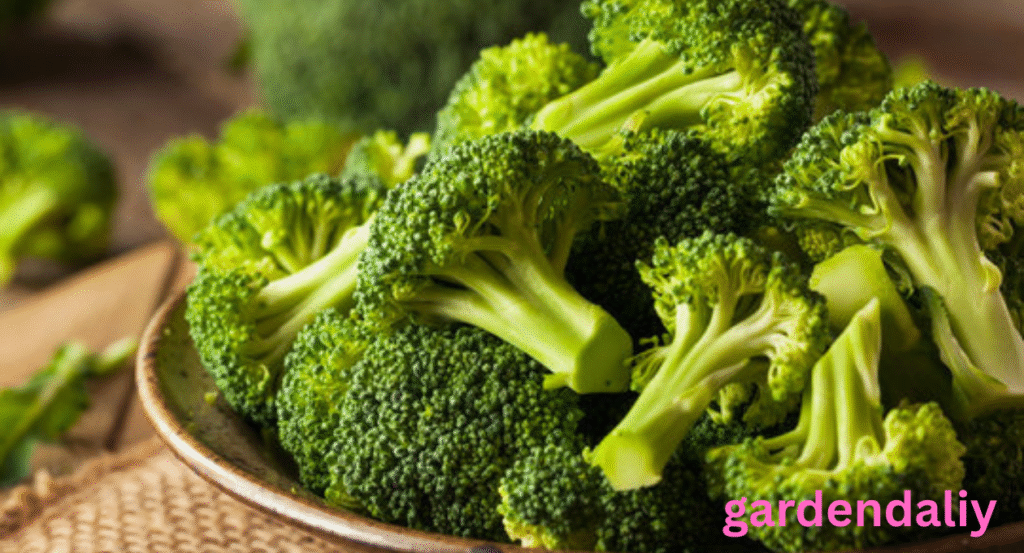
Home Blog Page 3

Ugliest Flower A Fascinating Journey Into the Strange Smelly

0

When we think of flowers, we usually imagine soft petals, sweet fragrances, and bursts of color that brighten gardens and fill vases. Roses, sunflowers, orchids, tulips—these are the stars of the floral world, celebrated for their beauty. Yet among the vast diversity of plant life, there exist flowers that challenge our conventional ideas of attractiveness. Some are odd, some are unsettling, and some are downright borderline grotesque. And perhaps the most infamous among them is the corpse flower (Amorphophallus titanum), often hailed as the “ugliest flower in the world.”

click in link Pokeweed Look Alikes

But what makes a flower “ugly,” and is ugliness necessarily a bad thing?.

Meet the Corpse Flower Nature’s Shock Specialist

The corpse flower is one of the largest flowering structures on Earth and possibly the most visually intimidating. Standing up to eight feet tall, it looks like a towering, wrinkled, purplish cone wrapped in a thick green sheath. Its surface appears rough and bumpy, more like aged leather than delicate petals. If that isn’t unusual enough, the flower emits a powerful odor reminiscent of rotting flesh—hence its haunting nickname.

To many, this combination is more monstrous than magical. It lacks symmetry, softness, and color harmony. Instead, it seems engineered to repel humans. Yet this oddity represents one of nature’s most sophisticated survival strategies.

Why Does It Smell So Bad? The Beauty of Bad Odor

While the corpse flower’s stench is unpleasant to humans, it is irresistible to the pollinators the plant depends on. Beetles and flesh-flies, which thrive near decomposing animals, are drawn in by the scent. The plant’s deep crimson interior even mimics the color of raw meat, enhancing the illusion. For these insects, the flower is basically a billboard advertising “fresh carrion here!”

On top of that, the corpse flower generates heat—sometimes reaching temperatures similar to a warm-blooded animal—to make the scent spread farther and seem even more convincing. It’s a biological masterpiece of deception.

What we consider ugly, the plant considers incredibly effective.

Rethinking Floral Beauty

Humans often judge flowers based on surface-level aesthetics. Smooth petals? Beautiful. Gentle fragrance? Lovely. Symmetry? Essential. Anything that deviates from these norms risks being labeled unattractive.

But the natural world doesn’t operate on human preferences. Evolution doesn’t care about what we like; it cares about what works. In this sense, the corpse flower’s dramatic design is a triumph rather than a flaw.

Its “ugly” traits—its smell, color, and size—are all adaptations honed over thousands of years to ensure successful pollination. Many plants sacrifice beauty for survival, and the corpse flower is simply one of the most extreme and fascinating examples.

Other Contenders for the Title of ‘Ugliest Flower’

While the corpse flower tends to dominate the conversation, it isn’t the only flower that’s been accused of being unattractive. Here are a few other strange botanical wonders:

1. Hydnora africana

A parasitic plant native to southern Africa, Hydnora looks more like a creature from a sci-fi movie than a flower. It blooms underground and emerges as a fleshy, mouth-like structure that snaps open to trap dung beetles.

ugliest flower

2. The “Starfish Flower” (Stapelia gigantea)

This succulent produces large, star-shaped blooms covered in hair-like fibers. It smells like rotting meat and often attracts blowflies. Beautiful? Maybe not. Fascinating? Absolutely.

3. Dracunculus vulgaris (Dragon Arum)

Deep purple, with a sinister-looking spadix and an aroma that many compare to a dead animal, this flower has an almost gothic vibe.

None of these flowers would win a bouquet contest, but they all showcase nature’s endless creativity.

Why Ugly Flowers Matter

Ugly flowers often teach us more about biology, ecology, and evolution than traditionally beautiful ones. They remind us that:

  • Beauty is subjective
    What humans find appealing is culturally shaped and not universal.
  • Every weird feature has a purpose
    Whether it’s smell, shape, or structure, nature designs with function in mind.
  • Biodiversity includes the strange and unexpected
    The oddest plants often play unique roles in their ecosystems.
  • Curiosity beats discomfort
    What seems off-putting at first glance can become deeply intriguing once we understand it.

Conclusion

So, is the corpse flower truly the ugliest flower in the world? Maybe. Its towering shape, rough texture, and pungent odor make it a tough contender. But “ugly” shouldn’t be mistaken for unimportant or unimpressive. In fact, these unconventional plants can spark awe, curiosity, and a deeper appreciation for how brilliantly adaptive life can be.

click in link Pokeweed Look Alikes

Next time you come across a flower that looks strange or unpleasant, take a moment to look closer. You might discover beauty in the very traits that seem unattractive at first glance. Because in the vast garden of the natural world, even the ugliest blossoms have a story worth telling.
ugliest flower

Faqs

1. What is considered the ugliest flower in the world?

The corpse flower (Amorphophallus titanum) is often considered the ugliest flower due to its massive size, wrinkled appearance, and strong odor that resembles rotting flesh.

2. Why does the corpse flower smell so bad?

The foul smell is an evolutionary adaptation. It attracts carrion-loving insects like beetles and flesh-flies that act as pollinators. The odor mimics the scent of decomposing animals.

3. How often does the corpse flower bloom?

The corpse flower blooms very rarely. A single plant may take 7–10 years or more to produce its first bloom, and after that, it might only bloom every several years.

4. Is the corpse flower dangerous?

No, the corpse flower is not dangerous to humans. It only produces a strong smell, but it’s completely non-toxic and safe to observe.

5. Where can you see a corpse flower?

They are native to Sumatra’s rainforests, but many botanical gardens around the world grow them. When one is about to bloom, gardens often announce it due to the rarity and excitement around the event.
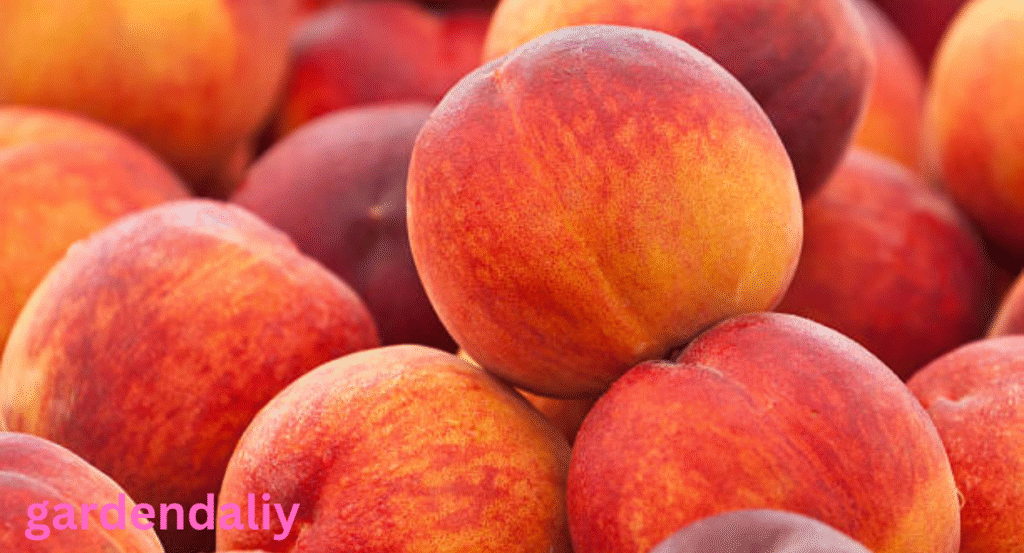
The Peach Shortage What’s Behind the Decline in This Beloved Summer Fruit?

0

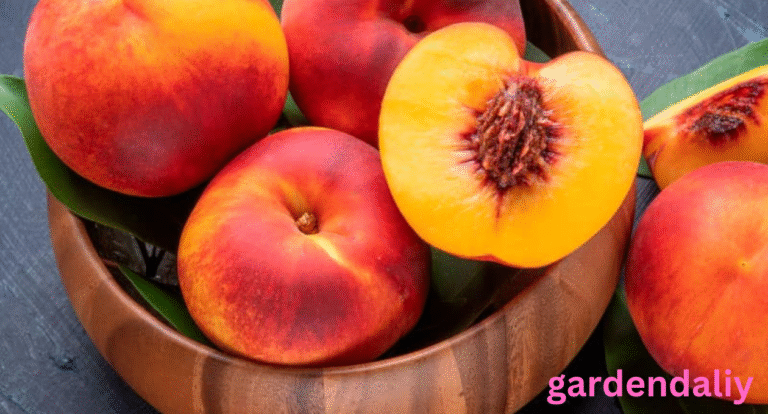
Peaches are one of those fruits that instantly remind people of sunshine, warm days, and sweet summer desserts. From peach pies to smoothies, jams, and cobblers, they show up in homes and markets as soon as the weather warms. But in recent years, shoppers have noticed something worrying: peaches are becoming harder to find, more expensive, and often lower in quantity than usual. This growing peach shortage has raised a lot of questions. Why are peaches suddenly scarce? What’s happening to peach farms? And how long will this shortage last?

click in link purple edible berries 

What Is Causing the Peach Shortage?

The peach shortage is not due to just one factor—it’s the result of several challenges that have come together at the same time. Among the biggest are climate issues, unpredictable weather, disease outbreaks, and economic pressures on farmers.

1. Unusual Weather Patterns

Peaches are delicate fruits that require very specific conditions to grow. They need cold winter temperatures to set buds, followed by warm, stable spring weather for the blossoms to flourish. But recent years have brought the opposite—warm winters and sudden spring freezes. These major temperature swings damage peach blossoms before they even have a chance to grow into fruit.

2. Late Frosts and Early Warm Spells

In states like Georgia, South Carolina, and California—major peach producers—a warm early season has caused peach trees to bloom too soon. When a frost unexpectedly follows, the blossoms die off. One frost can wipe out an entire crop, leaving farmers with little to harvest.

3. Drought and Water Shortages

Long periods of drought have put extra stress on peach trees. Peaches need consistent water, especially as the fruit develops. Water scarcity means smaller, fewer, and lower-quality peaches, which contributes to the overall shortage.

Climate Change: The Biggest Factor Behind the Shortage

While weather has always influenced agriculture, climate change has made conditions far more unpredictable. Winter temperatures that should help peach trees rest and prepare for spring are becoming inconsistent. Hotter summers add additional stress to the trees, reducing fruit quality.

States that used to rely on stable seasons are now facing extreme temperature shifts. As climate patterns continue to change, peaches may become even harder to grow in traditional regions.

The Impact on Farmers

For many farmers, peaches aren’t just a crop—they’re a livelihood. A major shortage means financial losses, fewer products to sell at markets, and higher operating costs. Farmers spend months tending to trees only to see the harvest wiped out by a cold snap or drought.

Some peach growers are even considering switching to alternative crops that are more climate-resilient. Unfortunately, this could lead to long-term decreases in peach production nationwide.

How the Peach Shortage Affects Consumers

Shoppers feel the shortage in two major ways: higher prices and limited availability. When supply drops but demand stays high, stores have no choice but to raise prices.

Higher Prices at Grocery Stores

You might have already noticed peaches costing more than usual. This is especially true for organic peaches or special varieties. Importing peaches from other countries is possible but expensive, and transportation costs add even more to the price.

Smaller and Lower-Quality Peaches

When growing conditions aren’t ideal, peaches may be smaller, less juicy, or not as sweet as usual. Some stores simply choose not to carry peaches at all during extremely low-supply seasons.

Peach-Related Products Are Also Affected

It’s not just fresh peaches that are impacted. The shortage has also influenced:

  • Canned peaches
  • Peach jams and preserves
  • Frozen peaches
  • Peach-flavored beverages
  • Desserts featuring peaches

Factories and restaurants that rely on peaches are paying more for ingredients or cutting back on peach-based items altogether.

Peach Shortage

Will the Peach Shortage Continue?

Experts say the peach shortage may continue for a few more years, especially if unpredictable weather patterns persist. However, farmers and researchers are exploring solutions, such as:

  • Developing more climate-resilient peach varieties
  • Improving irrigation systems
  • Adjusting planting schedules
  • Relocating peach orchards to more stable climates

These efforts may help stabilize peach supplies in the future, but change will take time.

How You Can Cope During the Shortage

While we can’t control the weather, there are simple ways to deal with the shortage as consumers:

1. Buy Local When Possible

Farmers’ markets may have fresher options even during low-supply seasons.

2. Try Frozen or Canned Peaches

These are great substitutes when fresh peaches are unavailable or too expensive.

3. Experiment with Alternative Fruits

Nectarines, apricots, mangoes, or plums can give you a similar flavor or texture in recipes.

Conclusion

The peach shortage is a result of changing weather patterns, climate pressure, and environmental challenges that are making it harder for farmers to produce healthy, abundant peach crops. While peaches may be more expensive or harder to find for a while, this shortage also highlights the need for more sustainable farming methods and greater climate resilience. For now, the best approach is to support local farmers, stay flexible with fruit choices, and appreciate peaches all the more when they do arrive in season.

click in link purple edible berries 

FAQs

1. Why is there a peach shortage?

The peach shortage is mainly caused by unusual weather patterns, including warm winters, sudden spring freezes, droughts, and extreme temperature swings. These conditions damage peach blossoms before they grow into fruit, reducing overall harvests.

2. Which states are most affected by the peach shortage?

Major peach-producing states like Georgia, South Carolina, and California have been hit the hardest. These regions rely on stable winter and spring weather, which has become more unpredictable in recent years.

3. Are peaches more expensive because of the shortage?

Yes. When peach supply goes down but demand stays the same, prices naturally rise. Transportation costs and the need to import peaches from other regions also contribute to higher prices.

4. How long will the peach shortage last?

Experts believe the shortage may continue for a few more years, depending on weather conditions and climate patterns. However, new farming methods and climate-resistant peach varieties may improve availability over time.

5. What can I use as a substitute for peaches?

If peaches are too expensive or unavailable, you can replace them with nectarines, apricots, mangoes, plums, or even canned or frozen peaches. These alternatives work well in most recipes.

is rice a vegetable? The Surprising Truth Explained

0

If you’ve ever wondered whether is rice a vegetable, you’re definitely not alone. This question pops up surprisingly often—at school, at the dinner table, and all over the internet. Since rice grows in fields and is plant-based, it’s easy to assume it belongs somewhere in the vegetable family. But while rice may appear alongside vegetables on your plate, the truth is a lot simpler—and more interesting—than you might think. 

click in link Basil Shortage

So, Is Rice Actually a Vegetable?

The short answer is no—rice is not a vegetable. Rice is a grain, specifically a cereal grain that comes from the grass species Oryza sativa or Oryza glaberrima. That’s right: rice grows from a grass plant, not from a vegetable plant. The grains we eat are the seeds harvested from the head of this rice plant. Because vegetables are defined as edible parts of plants—like leaves, stems, roots, and sometimes flowers—rice doesn’t fit anywhere in that category.

Vegetables include foods like carrots (root), spinach (leaf), asparagus (stem), and broccoli (flower). Rice, on the other hand, is simply a seed. That alone is enough to exclude it from being called a vegetable.

Why Do People Think Rice Is a Vegetable?

There are a few understandable reasons why rice is often mistaken for a vegetable:

1. It’s Plant-Based

Anything that grows from the soil gets lumped into the “vegetable” group by many people. But botanically speaking, not everything that comes from a plant is a vegetable—fruits, grains, nuts, and seeds are all separate categories.

2. It’s Served Like a Side Vegetable

Rice often shares space with vegetables on a plate. In many cuisines, especially Asian dishes, rice is the foundation of a meal, topped with vegetables and protein. This can make it feel like it belongs in the same family.

3. It’s Confused With Starchy Vegetables

Potatoes, corn, and peas are technically vegetables but also high in starch, similar to rice in nutritional function. So people assume rice must be a starchy vegetable too—but it’s not.

How Rice Is Classified Scientifically and Nutritionally

To understand why rice isn’t a vegetable, let’s look at the two ways foods are categorized: by botany and by nutrition.

Botanical Classification

  • Vegetables come from edible parts of plants.
  • Fruits come from the reproductive part of plants.
  • Grains come from grass species.

Rice is the seed of a grass plant, which places it firmly in the grain category.

Nutritional Classification

Most dietary guidelines—like the U.S. MyPlate system—divide foods into groups such as:

  • Vegetables
  • Fruits
  • Grains
  • Protein
  • Dairy

Rice is always placed in the Grains Group, along with wheat, oats, barley, and corn (when dried).

Rice vs. Vegetables: What’s the Real Difference?

To highlight how rice differs from vegetables, here’s a quick comparison:

FeatureRiceVegetables
Plant PartSeedLeaves, roots, stems, flowers
Food GroupGrainsVegetables
NutritionMostly carbohydratesRich in vitamins, minerals, fiber
Plant SourceGrassVarious vegetable plants

Vegetables provide essential nutrients like fiber, vitamin C, and potassium, while rice is mainly a source of energy through carbohydrates. That’s why health experts often encourage pairing rice with vegetables to create a balanced meal.

Is Rice Healthy?

Even though rice isn’t a vegetable, it can still be a healthy part of your diet. It depends on the type of rice and how much you eat.

is rice a vegetable

White Rice

  • Low in fiber
  • Easy to digest
  • Often enriched with iron and B vitamins
  • Has a higher glycemic index

Brown Rice

  • A whole grain
  • Higher in fiber
  • Contains more nutrients
  • Better for blood sugar control

Brown rice is generally considered the healthier option because it’s less processed and retains the bran and germ layers that contain most of the nutrients.

Is Rice a Carb or a Starch?

Rice is both a carbohydrate and a starch. This doesn’t make it a vegetable, but it does explain why it provides quick energy. Athletes, for instance, often eat rice before or after workouts because it refuels the body efficiently.

If Rice Isn’t a Vegetable, What Should You Eat With It?

Since rice lacks the vitamins and minerals found in vegetables, it’s best paired with foods that round out the meal. For example:

  • Broccoli
  • Spinach
  • Peppers
  • Carrots
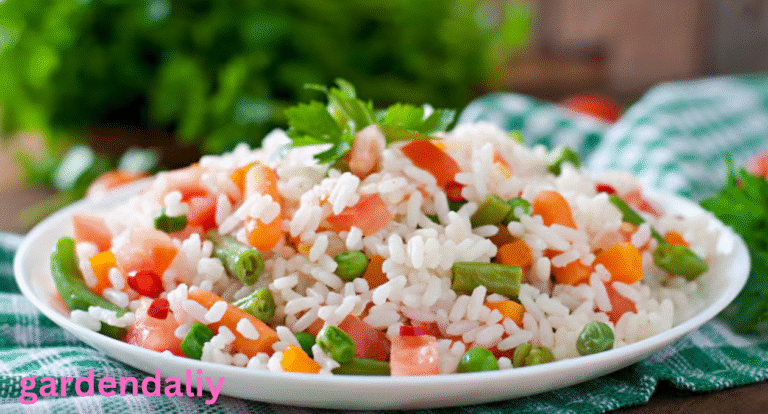
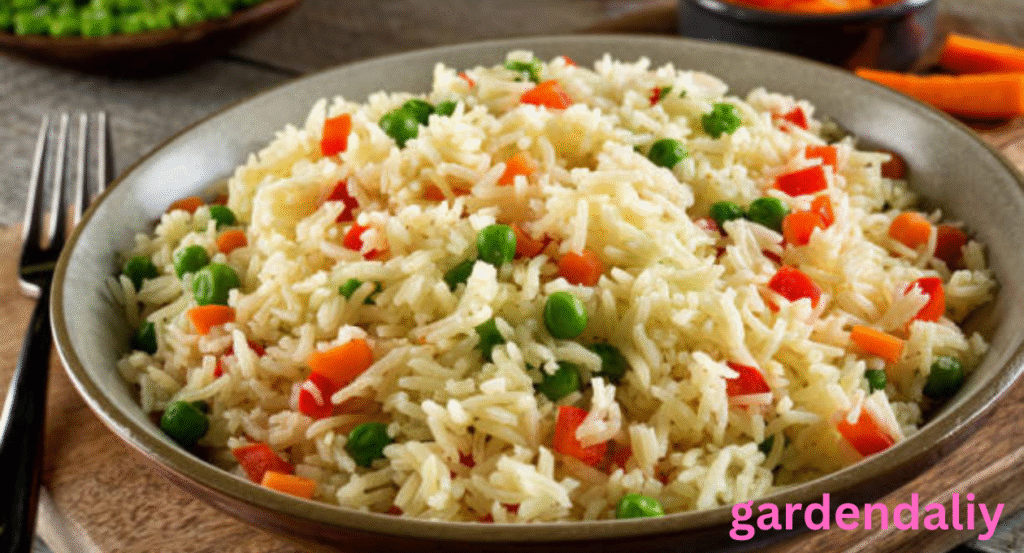
  • Green beans

Combining rice with vegetables adds fiber, color, texture, and essential nutrients, making your meal both healthier and more satisfying.

Conclusion

Rice is one of the most widely enjoyed foods in the world, but its classification is often misunderstood. Despite growing from a plant, rice is not a vegetable—it is a grain, specifically the seed of a grass species. This simple but important distinction helps clarify how rice fits into a balanced diet. While rice doesn’t offer the same vitamins, minerals, or fiber found in vegetables, it does provide valuable energy through carbohydrates and can be incredibly nutritious when combined with the right foods. Whether you prefer white rice, brown rice, or aromatic varieties like jasmine or basmati, rice remains a versatile, comforting, and essential part of countless meals. Just remember: it’s best enjoyed as part of a balanced plate that includes vegetables and protein for full nutritional benefits.

click in link Basil Shortage

FAQs

1. Is rice considered a vegetable?

No. Rice is a grain, not a vegetable. It comes from the seed of a grass plant and is classified under the “Grains” food group.

2. Why do people think rice is a vegetable?

People often assume rice is a vegetable because it grows in fields and is plant-based. It’s also commonly paired with vegetables in meals, which creates confusion.

3. Is rice healthier than vegetables?

Not exactly. Vegetables contain more vitamins, minerals, and fiber, while rice mainly provides carbohydrates. They serve different nutritional purposes.

4. Is brown rice healthier than white rice?

Yes. Brown rice is a whole grain and contains more fiber, nutrients, and antioxidants compared to white rice, which is more processed.

5. What can I eat with rice to make it a balanced meal?

Combine rice with vegetables and lean proteins such as chicken, beans, tofu, or fish. This boosts fiber, vitamins, and overall nutritional value.

Basil Shortage What’s Behind the Herb Crisis

0

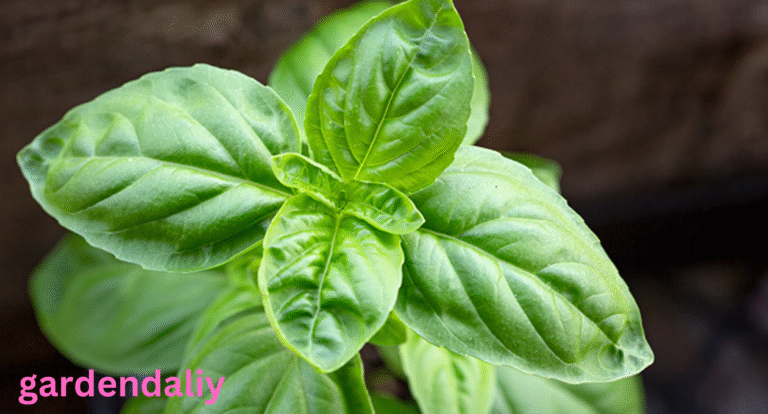
Basil shortage, a beloved herb used in everything from pasta to salads to pesto, has suddenly become harder to find in many markets. Chefs, home cooks, and food manufacturers are all feeling the pinch as supplies tighten and prices rise. The basil shortage has sparked concern across the culinary world, leaving many wondering: What exactly is happening?

click in link Broccoli Shortage

What Is Causing the Basil Shortage?

The shortage is the result of several overlapping issues that have disrupted basil production and distribution across multiple regions.

1. Widespread Crop Diseases

One of the biggest contributors is downy mildew, a fungal-like disease that spreads rapidly in warm, humid environments. This pathogen can destroy entire basil crops within days, making it extremely difficult for farmers to maintain healthy yields. Once infected, fields often require full replanting.

2. Unpredictable Weather and Climate Changes

Extreme temperature fluctuations, heavy rainfall, and prolonged humidity create perfect conditions for diseases to thrive and harm delicate basil plants. Drought in some regions and excessive rain in others have made it increasingly challenging for farmers to maintain stable production levels.

3. Supply Chain Disruptions

Even when basil crops survive environmental challenges, transporting fresh herbs requires quick, efficient logistics. Labor shortages, fuel price spikes, and delays in shipping have all contributed to basil arriving late or spoiled, further reducing available supply.

4. Rising Demand in the Food Industry

Global cuisine trends and the growing popularity of plant-based, fresh, and homemade dishes have significantly increased demand for basil. Restaurants, packaged food companies, and home gardeners all rely on steady basil availability, and a sudden dip in production creates a large gap between supply and demand.

How the Basil Shortage Affects Consumers

The shortage has a ripple effect that reaches far beyond supermarket shelves.

1. Higher Prices for Fresh Basil and Pesto

With limited supply, the price of fresh basil has jumped in many regions. Prepared products that rely heavily on basil—such as pesto, sauces, and herb blends—have also increased in price.

2. Reduced Availability in Stores and Restaurants

Many grocery stores receive smaller quantities than usual or temporarily run out. Restaurants may alter menu items, remove basil-heavy dishes, or reduce garnish portions due to limited stock.

3. Lower Quality and Smaller Bunches

When supply is strained, available basil may be harvested earlier or transported under less-than-ideal conditions, leading to smaller leaves, reduced aroma, or quicker spoilage.

Impact on Farmers and Growers

Basil farmers face their own challenges amid the shortage.

1. Financial Losses From Crop Failures

Diseases like downy mildew can wipe out large sections of a farm’s yield, causing substantial financial setbacks. Replanting and treatment increase costs and labor needs.

2. Pressure to Shift Growing Methods

Many growers are turning to indoor hydroponic or greenhouse systems to protect basil from disease and climate effects. While effective, these systems require significant investment, making them difficult for small farmers to adopt.

3. Difficulty Meeting Commercial Demand

Large food manufacturers rely on consistent basil supply, and farmers must balance fluctuating demand with unpredictable growing conditions—an increasingly difficult task.

Possible Solutions and the Future of Basil Production

To address the shortage, both farmers and researchers are exploring new strategies.

1. Disease-Resistant Basil Varieties

Scientists are developing basil strains that are more resistant to downy mildew and other pathogens. These new varieties could help stabilize production in the coming years.

2. Controlled-Environment Agriculture

Greenhouses, vertical farms, and hydroponic systems offer better control over temperature, humidity, and pests. Though costly, they represent a promising long-term solution.

3. Improved Supply Chain Efficiencies

Better refrigeration, faster transport, and reducing labor bottlenecks can help ensure that harvested basil reaches consumers in optimal condition.

basil shortage

4. Local and Home Gardening

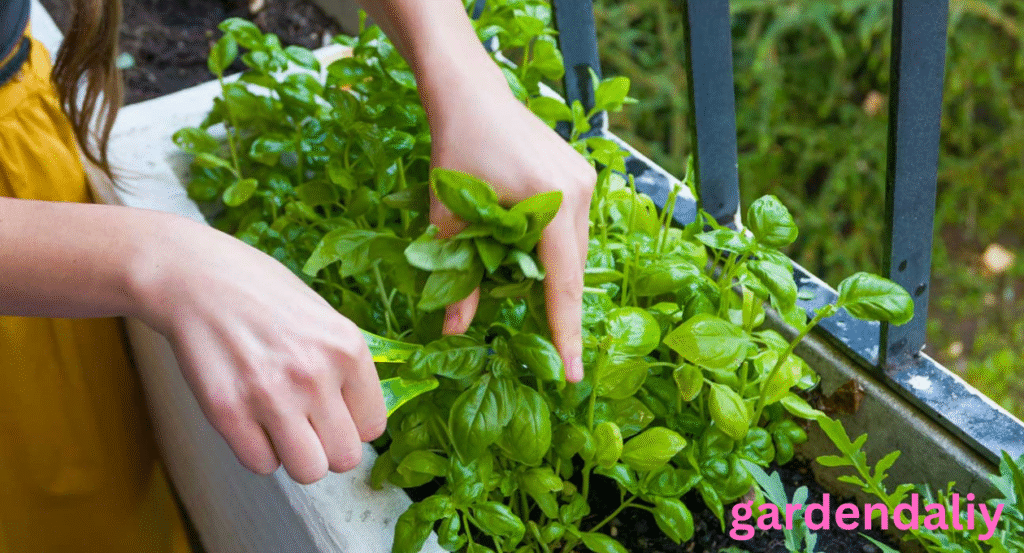
As interest in self-grown herbs rises, more consumers are planting basil at home. This not only reduces reliance on commercial supply but also encourages sustainable food practices.

Conclusion

The basil shortage is more than a temporary inconvenience—it is a clear sign of how fragile herb production can be in the face of climate shifts, crop diseases, and global supply chain challenges. As farmers work to adapt through improved growing techniques and disease-resistant varieties, consumers may continue to see fluctuations in availability and price. However, with increased awareness, sustainable farming practices, and investment in modern agricultural solutions, the future of basil production can become more resilient and dependable. Understanding the factors behind the shortage helps everyone—from home cooks to restaurateurs—make informed choices while supporting a stronger, healthier food system.

click in link Broccoli Shortage

FAQs 

1. Why is there a basil shortage?

The shortage is mainly caused by crop diseases like downy mildew, unpredictable weather conditions, and supply chain issues that reduce the amount of fresh basil reaching stores.

2. Which regions are most affected?

Areas that rely heavily on imported basil or regions facing severe humidity and disease outbreaks tend to experience the shortage most prominently.

3. Is downy mildew really that harmful?

Yes. Downy mildew can destroy entire basil crops within days. Once it spreads, farmers often must remove affected plants and replant from scratch.

4. Will basil prices continue to rise?

Prices may remain high as long as supply is limited. Once crops recover and logistics improve, prices are expected to stabilize.

5. Are basil alternatives available?

Yes. Herbs like spinach, parsley, Thai basil, or arugula can offer similar flavors in certain dishes, though they won’t perfectly replicate traditional basil.

purple edible berries Tiny Fruits Big Benefits

0

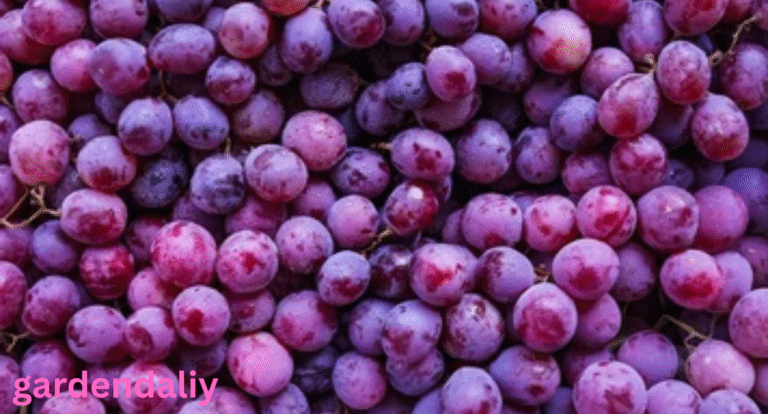
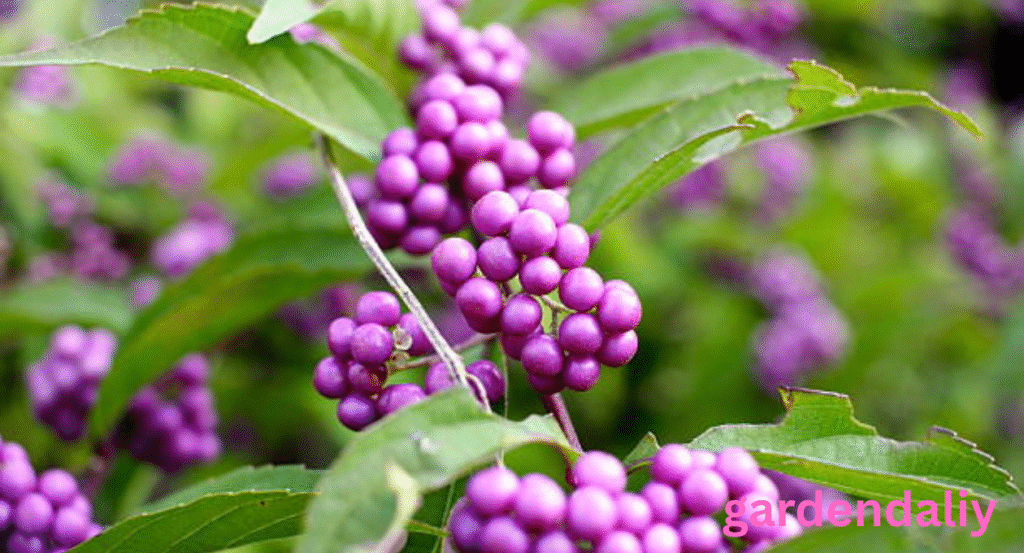
Purple edible berries have captured the attention of nutritionists, chefs, and health-conscious eaters around the world. Their striking color, delightful flavor, and incredible health benefits make them among the most cherished fruits in nature. Whether found in backyards, forests, or local markets, these vibrant berries offer far more than just visual appeal—they’re loaded with antioxidants, vitamins, and nutrients that support overall well-being.

click in link fruits that look like mango

What Makes Purple Berries So Special?

The deep, rich color of purple berries comes from anthocyanins, a type of antioxidant that plays a powerful role in protecting the body from oxidative stress. These natural pigments help reduce inflammation, support heart health, and may even protect the brain from age-related decline. Studies suggest that foods rich in anthocyanins can improve memory, lower blood pressure, and strengthen immune function.

Beyond their health benefits, purple berries also provide a wide range of flavors—sweet, tart, earthy, or floral—making them versatile ingredients in countless dishes.

Popular Types of Purple Edible Berries

Purple berries come in many varieties, each with unique properties and uses. Here are some of the most widely enjoyed and beneficial:

1. Blueberries

Although they appear more blue than purple, blueberries belong to the anthocyanin-rich berry family. They’re known for supporting cognitive health, improving heart function, and boosting immunity. Their mild sweetness and versatility make them a favorite in cereals, smoothies, and baked goods.

2. Blackberries

Blackberries offer a juicy burst of flavor along with high levels of vitamins C and K. Their bold taste works well in jams, pies, salads, and even savory sauces. With their strong antioxidant content, they are especially good for skin health and digestion.

3. Elderberries

Elderberries are famous for their immune-strengthening effects, especially during cold and flu season. They’re typically used in syrups, teas, and supplements. However, they should never be eaten raw, as uncooked elderberries and their leaves contain harmful compounds.

4. Açai Berries

Native to South America, açai berries are rich in healthy fats and antioxidants. Often sold frozen or powdered, they’re perfect for smoothie bowls and desserts. Their earthy, slightly chocolate-like flavor sets them apart from most berries.

purple edible berries

5. Huckleberries

Resembling blueberries but with a more intense taste, huckleberries grow in mountainous regions and are prized for their rich flavor. They’re often used in pies, jams, and specialty sauces.

6. Boysenberries

A hybrid of raspberries and blackberries, boysenberries offer a tender texture and a tangy-sweet flavor. They’re rich in vitamin C and manganese, making them both delicious and nutritious.

Health Benefits of Purple Edible Berries

Purple berries are celebrated as superfoods for their exceptional nutritional profiles. Here are some of the major health benefits they deliver:

Rich in Antioxidants

Anthocyanins fight free radicals, helping prevent cell damage and lowering the risk of chronic diseases. These antioxidants also contribute to glowing skin and improved energy levels.

Improved Heart Health

Regular consumption of purple berries has been linked to lower blood pressure, reduced arterial stiffness, and improved cholesterol levels.

Supports Brain Function

Blueberries and blackberries, in particular, have been shown to enhance memory, concentration, and cognitive performance. They may slow age-related decline by protecting brain cells from oxidative stress.

Boosts Immunity

With high levels of vitamin C and other immune-supporting compounds, purple berries help strengthen the body’s defenses. Elderberries are especially powerful in this area due to their antiviral properties.

Supports Digestion

Rich in fiber, purple berries aid digestion, regulate bowel movements, and promote a healthy gut microbiome.

Weight-Friendly Nutrients

Low in calories yet packed with vitamins and fiber, these berries make an excellent addition to weight management plans.

How to Use Purple Berries in Your Daily Diet

Adding purple berries to your meals is easy and delicious. Here are some creative ways to enjoy them:

1. Smoothies & Smoothie Bowls

Blend blueberries, blackberries, or açai with yogurt or plant-based milk to create a nutritious, antioxidant-rich breakfast.

2. Baked Goods

Incorporate berries into muffins, cakes, tarts, pies, or breads. They add natural sweetness and moisture.

3. Salads

Mix fresh berries with leafy greens, nuts, cheese, and vinaigrettes for a refreshing twist.

4. Sauces & Syrups

Cook berries into sauces for meats, desserts, or pancakes. Elderberry syrup is a popular immune booster.

5. Oatmeal & Yogurt

Berries pair perfectly with oats, chia pudding, granola, and Greek yogurt.

6. Frozen Treats

Freeze berries to use in smoothies, popsicles, or homemade sorbets.

Growing Purple Berries at Home

If you love fresh berries, consider growing your own. Many purple berry plants are relatively easy to cultivate.

Tips for Growing Success:

  • Plant in well-draining soil with plenty of sunlight
  • Water regularly and mulch to retain moisture
  • Protect berries with netting to keep birds away
  • Prune plants annually to promote new growth
  • Choose varieties suited to your climate zone

Homegrown berries not only taste fresher but also reduce your grocery costs and exposure to pesticides.

purple edible berries

Safety Tips When Foraging Wild Berries

Not all purple berries found in nature are edible. Some can be harmful or toxic.

Stay safe with these guidelines:

  • Only eat wild berries you can confidently identify
  • Avoid berries from unknown plants
  • Consult field guides or experts when foraging
  • Never consume raw elderberries
  • When unsure, it’s best to leave them alone

Conclusion

Purple edible berries are among nature’s most powerful superfoods, offering a unique combination of flavor, nutrition, and health benefits. Rich in anthocyanins, fiber, and essential vitamins, they support heart health, brain function, immunity, and digestion. From blueberries to elderberries, each type brings something special to the table. Whether eaten fresh, blended into smoothies, baked into desserts, or used in homemade syrups, purple berries provide a simple and delicious way to enhance your daily diet. By choosing high-quality sources or growing your own, you can enjoy their vibrant color and impressive wellness benefits all year long.

click in link fruits that look like mango

FAQs 

1. What makes purple berries so nutritious?

Their deep color comes from anthocyanins, powerful antioxidants that help reduce inflammation, support heart health, and protect cells from damage.

2. Which purple berries are safe to eat raw?

Blueberries, blackberries, boysenberries, huckleberries, and purple grapes are safe to eat raw. Elderberries must be cooked before consumption.

3. Are purple berries good for weight loss?

Yes. They are low in calories, high in fiber, and packed with nutrients, making them ideal for weight management and healthy snacking.

4. Can purple berries improve brain health?

Research suggests that berries like blueberries and blackberries may boost memory, enhance focus, and slow cognitive decline due to their antioxidant compounds.

5. How can I use purple berries in cooking?

You can add them to smoothies, oatmeal, yogurt, salads, baked goods, sauces, syrups, and desserts. They pair well with both sweet and savory dishes.

The Real Reason Behind the Broccoli Shortage

0

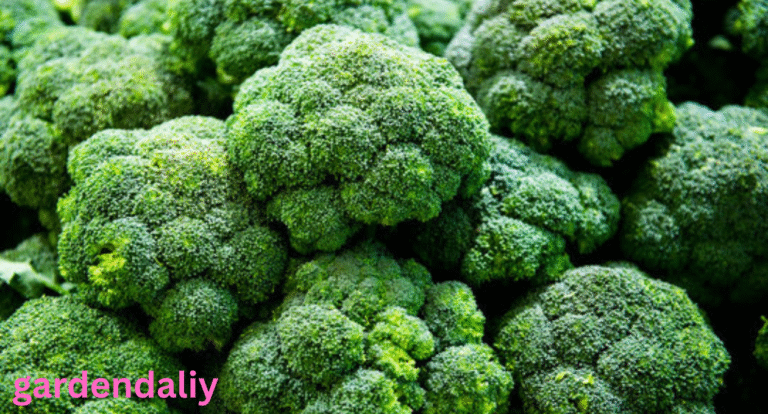
Over the past few months, shoppers have noticed something unexpected in the fresh-produce aisles: broccoli is missing, limited, or suddenly much more expensive. What was once a reliable staple in healthy households has become harder to find, sparking concern among consumers, restaurants, and grocers alike. So why is there a broccoli shortage, and what does it mean for the future of our food supply?

click in link Garlic Shortage

Climate Change Is Hitting Crucial Growing Regions

The primary force behind the current broccoli shortage is unpredictable and extreme weather. Broccoli is a cool-weather crop. It thrives in moderate temperatures between 18–23°C (65–75°F). Unfortunately, many of the world’s key broccoli-producing regions—such as California’s Salinas Valley, parts of Mexico, and agricultural zones in Europe—have faced climate instability, including:

  • Heatwaves that stress the plants and damage the heads
  • Heavy rainfall or flooding that delays planting and harvests
  • Droughts that limit irrigation and stunt growth
  • Cold snaps that shock developing crops

When farmers cannot control temperature and moisture, yields plummet. Even a shift of a few degrees during sensitive growth phases can mean thousands of acres of broccoli that never reach market quality.

Supply Chain Woes Are Making the Situation Worse

Even when farms manage to produce healthy crops, global supply chain conditions have not returned to pre-pandemic stability. The agricultural sector continues to face:

  • Transportation delays and elevated fuel prices
  • Labor shortages in harvesting, packing, and logistics
  • Higher costs for fertilizer, seeds, and maintenance

Broccoli has a relatively short shelf life and requires careful, cooled transport. Any disruption in cold-storage logistics can lead to spoilage, shrinking the amount that actually reaches stores.

The supply chain isn’t broken—but it’s strained. And when supply tightens at multiple points, shortages become inevitable.

Rising Demand Is Outpacing Available Supply

While supply falls, demand for broccoli has reached record highs. Consumers across the globe have become increasingly focused on health and immunity, especially post-pandemic. Broccoli checks all the boxes:

  • Packed with vitamin C, K, and A
  • Full of antioxidants
  • Rich in fiber
  • Versatile in cooking

It’s not just households, either. Restaurants, cafeterias, and meal-prep companies lean heavily on broccoli as a low-cost, nutrient-dense side. With demand climbing and supply falling, prices surge and supermarket shelves empty faster.

Farmers Are Struggling with Inputs and Costs

Growing produce has never been more expensive. The last three years have seen rising costs for nearly every input farmers need. Broccoli growers, in particular, have faced:

  • A 40–60% increase in fertilizer prices in some regions
  • Increased labor wages due to shortages
  • Higher fuel and equipment maintenance costs
  • Greater spending on pest control due to changing climate patterns

For smaller farms, these cost pressures make broccoli a less profitable crop to maintain. Some have switched to hardier produce that can tolerate difficult weather and require fewer resources.

This reduction in planted acreage contributes directly to the current shortage.

What This Means for Consumers

If you’ve noticed broccoli prices creeping upward or only small quantities available, you’re not imagining it. Here’s what you can expect in the short term:

  • Higher prices as suppliers try to cover rising costs
  • Inconsistent availability, especially in smaller grocery chains
  • More frozen broccoli options replacing fresh displays
  • Lower-quality heads as stores accept produce they would once have rejected

But all is not lost. Broccoli shortages tend to be temporary, depending heavily on seasonal weather. If upcoming planting and harvest cycles stabilize, supply could normalize within a few months.

broccoli shortage

What You Can Do in the Meantime

While the shortage continues, consider these practical alternatives:

1. Try Nutrient-Rich Substitutes

Plenty of vegetables offer similar nutritional benefits:

  • Cauliflower
  • Brussels sprouts
  • Kale
  • Spinach
  • Green beans

These can work well in stir-fries, steamed dishes, or roasted vegetable trays.

2. Choose Frozen Broccoli

Frozen vegetables are harvested at peak freshness and often provide equal or better nutrition than fresh produce affected by drought or heat.

3. Buy Local When Possible

Local farmers’ markets may have small-scale growers whose harvests haven’t been as affected by the larger-scale supply chain problems.

4. Grow Your Own

If you have outdoor space, broccoli can be surprisingly manageable for home gardeners—given the right season (cooler months) and steady watering.

Conclusion

The current broccoli shortage is the result of several overlapping issues—climate instability, rising farm costs, supply chain delays, and growing global demand. While it may be frustrating to see higher prices or limited stock, this shortage also highlights the challenges faced by farmers and the importance of building a more resilient food system. The good news is that shortages like this are usually temporary. As weather conditions improve and supply chains stabilize, broccoli availability is expected to return to normal. Until then, choosing substitutes, buying frozen, and supporting local growers can help you navigate the shortage without sacrificing nutrition.

click in link Garlic Shortage

FAQs 

1. Why is there a broccoli shortage right now?

The shortage is mainly due to extreme weather, rising farming costs, labor shortages, and supply-chain disruptions affecting major broccoli-growing regions.

2. How long will the broccoli shortage last?

It depends on seasonal weather conditions and harvest cycles. Many shortages ease within a few months, but climate-related issues could cause recurring disruptions.

3. Why is broccoli so expensive lately?

With lower supply and high demand, prices naturally rise. Higher transportation, fertilizer, and labor costs also contribute.

4. Is frozen broccoli a good alternative?

Yes. Frozen broccoli is picked at peak freshness and often retains more nutrients than fresh produce affected by poor weather.

5. What vegetables can replace broccoli?

Great substitutes include cauliflower, Brussels sprouts, kale, spinach, and cabbage.

6. Are restaurants affected by the broccoli shortage?

Yes. Many restaurants have reduced broccoli-based menu items or adjusted portion sizes due to high prices and limited availability.

fruits that look like mango

0

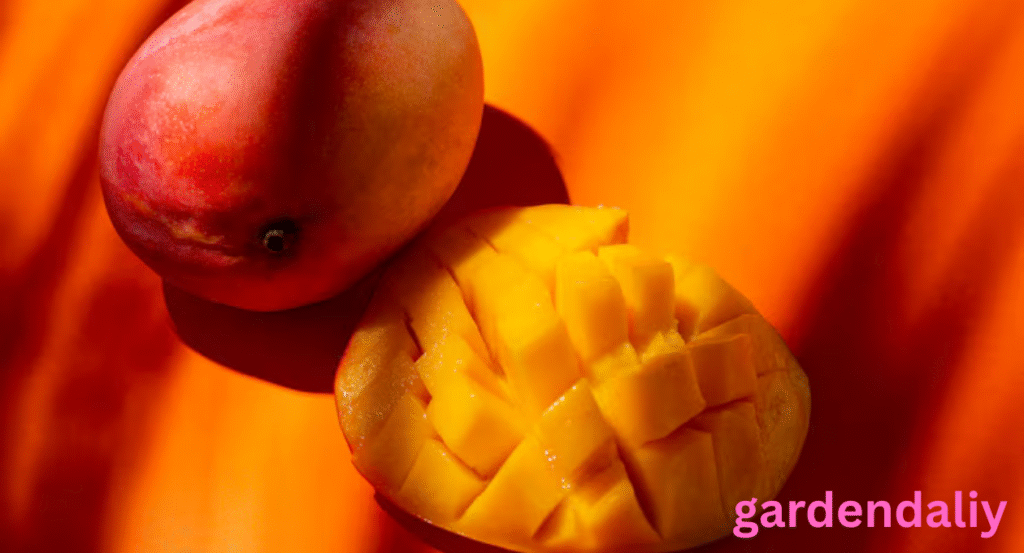
Mangoes are known for their irresistible sweetness, vibrant colors, and smooth, oval shape. But many fruits that look like mango around the world share similar characteristics, making them easily mistaken for mangoes—especially from a distance or when unripe. These mango look-alikes come from tropical, subtropical, and even temperate climates, each offering unique flavors and textures.

click in link Garlic Shortage

Papaya (Carica papaya)

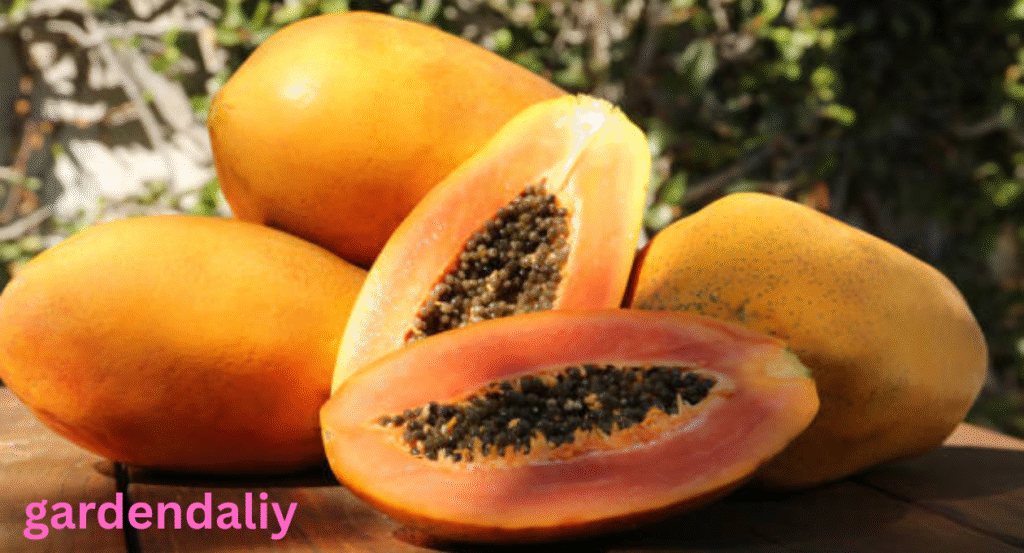
Papaya is the fruit most commonly mistaken for mango, especially when unripe. Green papayas and some elongated papaya varieties have the same smooth exterior and curved shape as mangoes. From a quick glance, a papaya sitting on a market shelf can easily seem like a giant mango.

Papayas resemble mangoes because of their oval-to-long shape, uniform green skin (when unripe), and glossy surface. However, papayas are typically larger, with softer skin and a more cylindrical look. Inside, papayas contain soft orange flesh and a hollow center filled with small black seeds—very different from a mango’s single flat seed. Their flavor is mild and less aromatic than mango, making them easier to distinguish once cut open.

fruits that look like mango

Ambarella (Spondias dulcis)

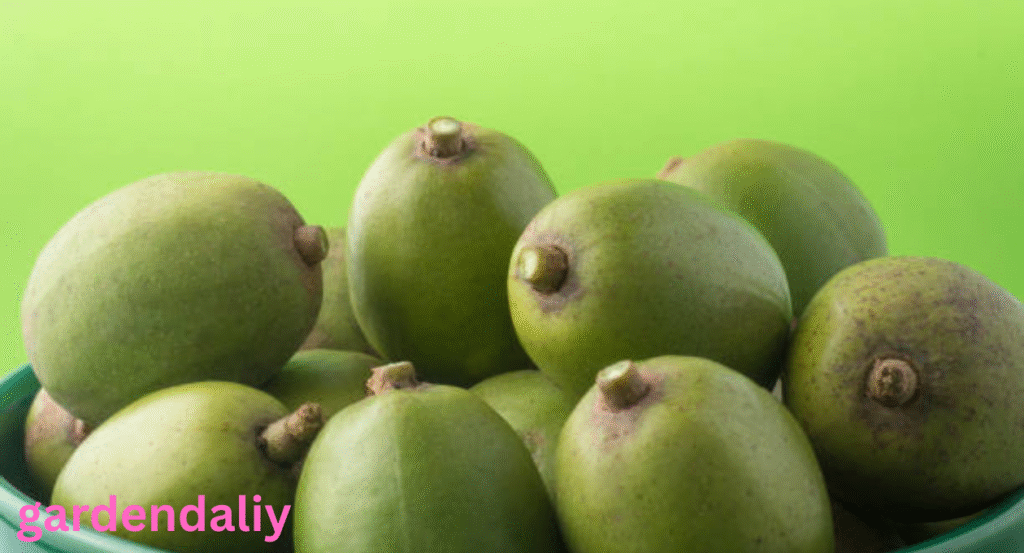
Ambarella, also called June plum or golden apple, is another fruit widely confused with mango. Its green skin, oval shape, and shiny surface make it look very much like an unripe mango. When ripe, ambarella often turns a yellowish color that further enhances the resemblance.

Ambarella looks like mango mainly because of its similar shape and color. However, it is much firmer and crunchier, with a crisp texture similar to an apple. The inside contains a fibrous, spiky seed, unlike a mango’s smooth pit. Its taste is tangy and refreshing, often used in salads, chutneys, and juices. While it appears mango-like, one bite is enough to tell the difference.

Cajá / Hog Plum (Spondias mombin)

Cajá, also known as hog plum, grows widely in tropical regions and belongs to the same botanical family as mango—the Anacardiaceae family. This shared ancestry explains why cajá looks similar to a small mango. Its skin color ranges from green to bright yellow, and it often has the same elongated, oval appearance.

Even though cajá resembles a miniature mango, its taste is very different. Cajá is sour and tangy, with a jelly-like interior. It is commonly used in juices, candies, and jams rather than eaten fresh like a mango. Size is the biggest giveaway—cajá is much smaller and easier to hold in one hand.

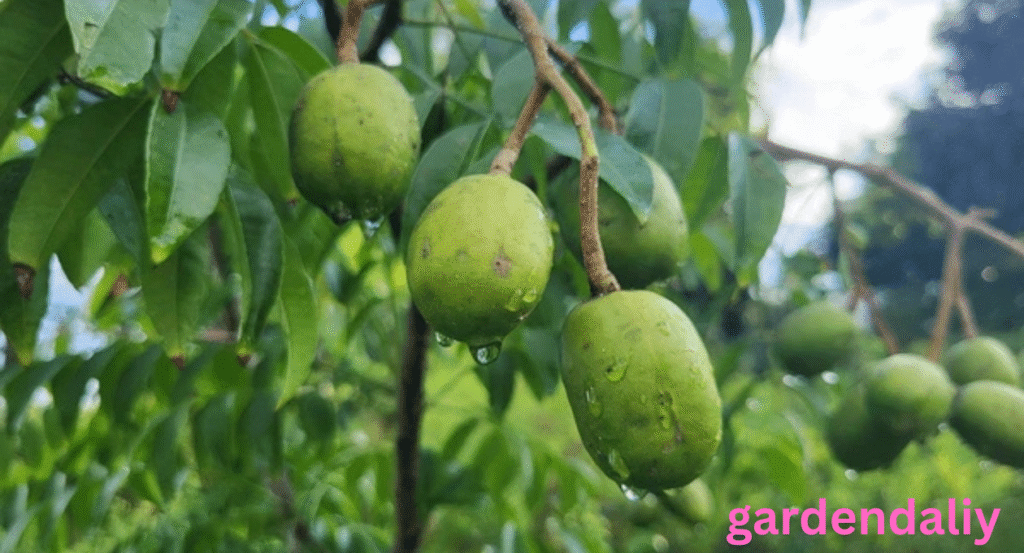
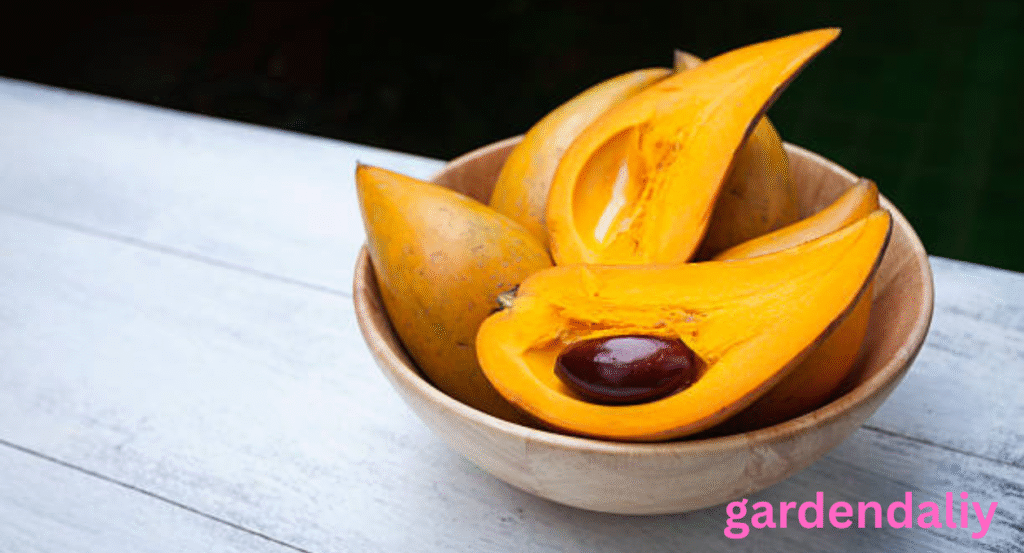
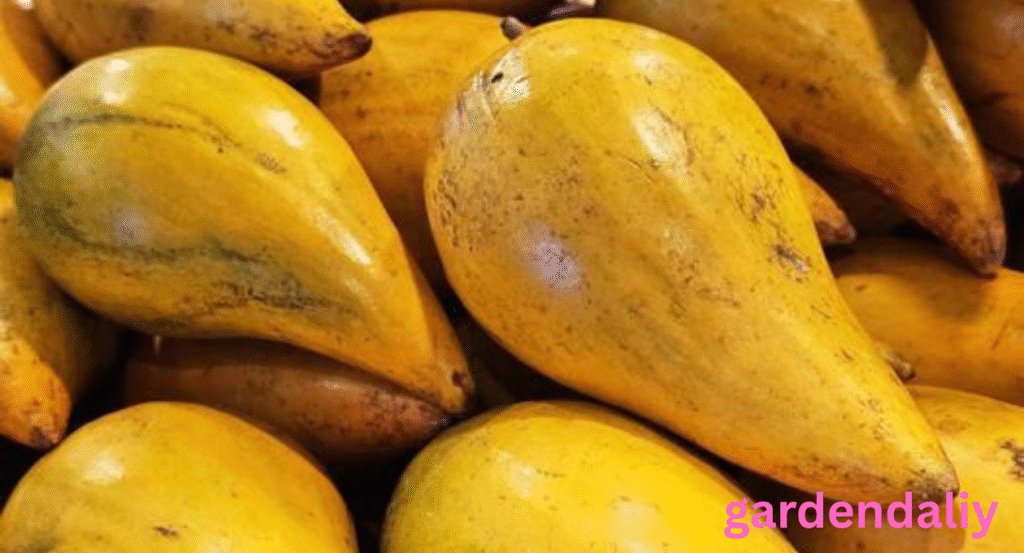
Canistel (Pouteria campechiana)

Canistel, popularly known as eggfruit, is another tropical fruit that closely resembles a mango. Its bright yellow-orange skin and smooth surface give it the same visual appeal as a ripe mango. Some varieties even grow into a shape nearly identical to mangoes found in Southeast Asia.

However, canistel has a very different interior. Its flesh is dry, dense, and custard-like, which is why it is often compared to the texture of cooked egg yolk. It has a sweet, earthy flavor and is commonly used in desserts, smoothies, and baking. Canistel’s seed is rounder and darker than a mango seed, making it easier to identify after slicing.

Lucuma (Pouteria lucuma)

Lucuma is a tropical fruit native to the Andean region of South America. At first glance, lucuma can be mistaken for a mango because of its greenish-yellow skin and rounded oval shape. Some lucuma varieties develop a golden hue when ripe, enhancing their mango-like appearance.

Inside, lucuma has a dry, creamy, golden flesh with a caramel-like flavor profile. It is not juicy like mango; instead, its powdery texture makes it a popular ingredient in ice creams, pastries, and smoothies. The fruit has a thick outer skin and is more spherical compared to most mango varieties.

Yellow Plum (Golden Plum / Mirabelle Plum)

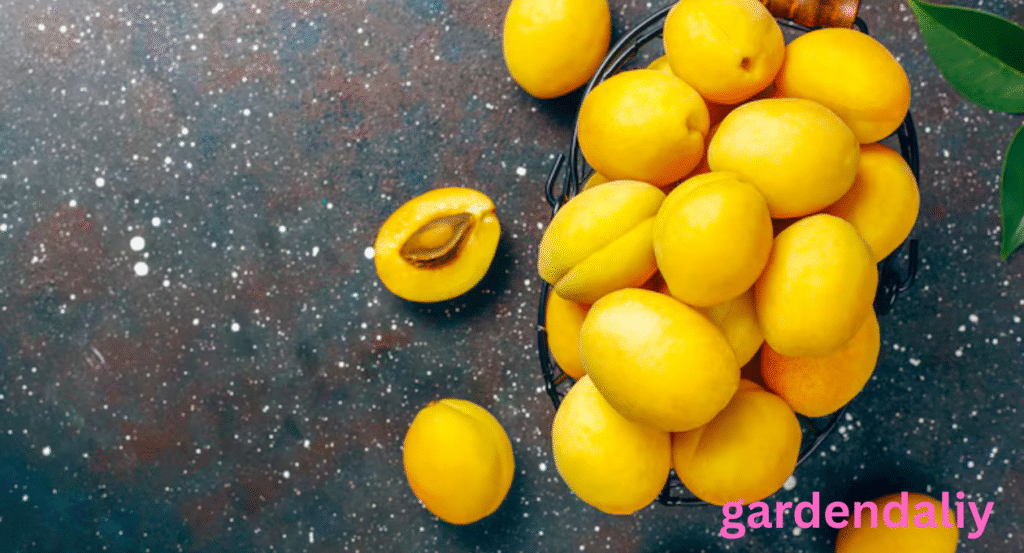
Yellow plums are much smaller than mangoes, but when ripe, their bright golden color and smooth surface bear a surprising resemblance to small mangoes. Their shiny skin and uniform yellow tone often catch the eye of fruit lovers who mistake them for tiny mango varieties.

Despite their similar color, yellow plums are round and have a tart-to-sweet flavor. Their juicy texture is completely different from mango’s fibrous sweetness. Because of their size and distinct taste, they are easy to identify once held or tasted.

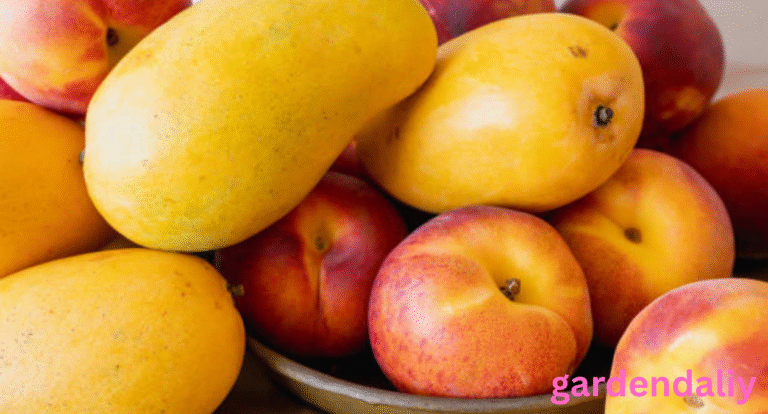
Peach Mango Varieties (Elongated Peaches)

Some rare peach cultivars grow in elongated shapes that mimic the look of small mangoes. Their yellowish-orange skin, especially when smooth, can be mistaken for mangoes in markets or orchards.

However, peaches have fuzzy skin—a major difference. They also have a distinct floral aroma and soft, juicy flesh that sets them apart from the firmer, fiber-rich mango texture.

Conclusion

Fruits that look like mango come from many different parts of the world, and although they share a similar appearance, each fruit has its own distinct flavor, texture, and culinary use. While mango remains unmatched in its sweetness and rich aroma, its look-alikes—such as papaya, ambarella, cajá, canistel, lucuma, and yellow plums—offer unique tasting experiences that are equally enjoyable. Exploring these mango-like fruits not only helps you appreciate nature’s diversity but also introduces you to new flavors you may not have tried before. If you ever come across a fruit that looks like a mango, take a closer look—you might discover a refreshing surprise.

click in link Garlic Shortage

FAQs

1. Why do so many fruits look like mango?

Many tropical fruits develop similar shapes, colors, and skin textures due to similar growing conditions and evolutionary adaptations. These similarities are nature’s way of helping fruits attract animals for seed dispersal.

2. Which fruit is most commonly mistaken for mango?

Papaya is the most commonly mistaken fruit because its elongated shape and green skin closely match that of unripe mango.

3. Are mango look-alike fruits edible and safe?

Yes, all the fruits mentioned—such as papaya, ambarella, cajá, canistel, and lucuma—are completely edible and commonly enjoyed in different cultures.

4. Do any fruits actually taste like mango?

While some fruits may share a slight tropical tang, none fully replicate mango’s sweet, aromatic flavor. However, canistel and lucuma share a rich, sweet profile that some people find similar in certain recipes.

5. Can these fruits replace mango in recipes?

It depends on the dish. Papaya can work as a substitute in smoothies or salads. Canistel and lucuma can be used in desserts. However, none will perfectly match mango’s texture and sweetness.

Garlic Shortage A Deep Look at Weather Disruptions Increasing Deman

0

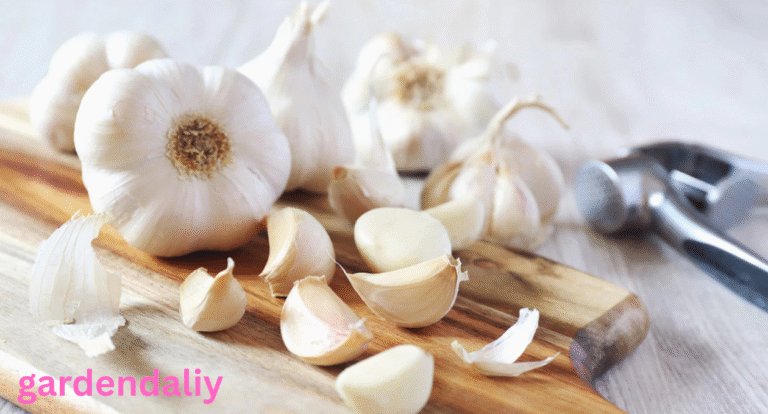
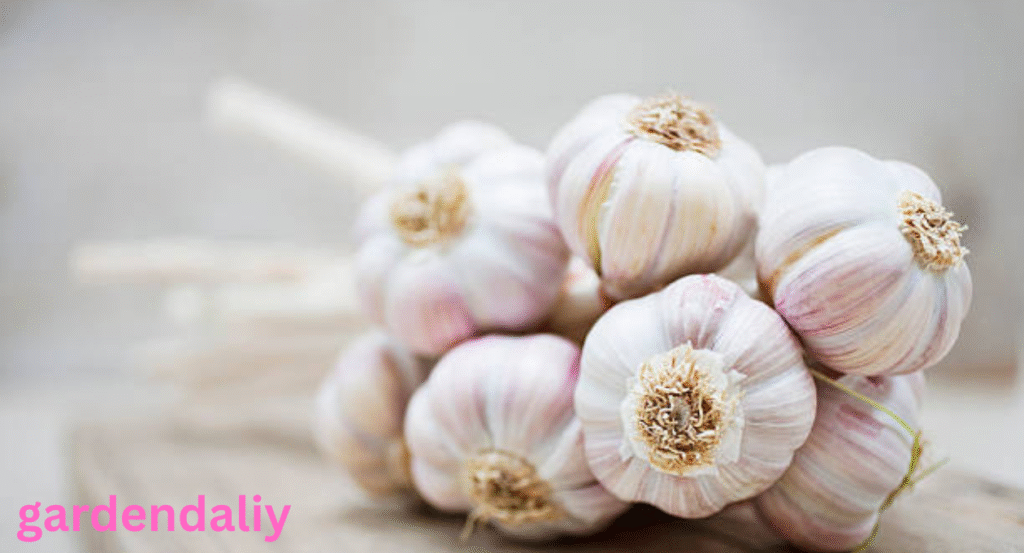
Garlic, one of the world’s most essential and beloved ingredients, has found itself at the center of an unexpected crisis: a global shortage. From home cooks to restaurant chefs to food manufacturers, many are feeling the sting of rising prices and inconsistent supply. Garlic is more than just a flavor booster—it’s a culinary cornerstone, an herbal remedy, and an agricultural product that travels long distances before reaching your kitchen. With demand growing and supply lagging, the garlic shortage has become a topic of global concern.

click in link Blueberry Shortage

1. Climate Change and Extreme Weather Have Disrupted Production

Garlic crops are unusually sensitive to weather patterns, and recent global climate abnormalities have taken a serious toll. Many of the world’s top garlic-producing countries, especially China—which supplies more than 70% of the global garlic market—have experienced unexpected climate events.

Extended heatwaves have caused garlic bulbs to mature early, often resulting in smaller and lower-quality yields. Meanwhile, heavy rainfall and flooding in several regions have delayed planting and damaged entire fields. For some producers, sudden cold snaps have halted growth or killed plants altogether, leading to more unpredictable harvests.

Garlic relies on steady seasonal changes to form large, healthy bulbs. When nature doesn’t cooperate, farmers have little recourse, and global supply inevitably tightens.

2. Rising Production Costs Are Squeezing Farmers

Another major factor behind the garlic shortage is the rapid increase in farming costs. Garlic production is labor-intensive; bulbs must be planted by hand and harvested carefully to prevent damage. In many countries, farmers are dealing with:

  • Higher fertilizer prices, particularly nitrogen-based products
  • Increasing wages for agricultural laborers
  • Escalating fuel costs for irrigation, machinery, and transportation
  • Costlier storage, as garlic requires controlled temperature and humidity

When the cost of growing garlic increases, farmers either scale back production or pass the expense through the supply chain. Eventually, this leads to higher retail prices and reduced availability for consumers.

3. Global Supply Chain Disruptions Continue to Have Lingering Effects

Although many industries have slowly recovered from the pandemic-era strain, agriculture is still struggling. Garlic is predominantly grown in rural areas and shipped over long distances—meaning it’s heavily dependent on a stable supply chain.

Challenges include:

  • Ongoing shipping container shortages
  • Port congestion, especially in Asia
  • High freight costs that have not returned to pre-pandemic levels
  • Labor shortages across transportation sectors

Because garlic is typically shipped in bulk to maintain quality and prevent spoilage, even small delays can degrade the product. These disruptions have created bottlenecks and reduced the flow of garlic into major buying countries, particularly the U.S., European nations, and parts of Southeast Asia.

4. Demand for Garlic Is Higher Than Ever

While garlic supply has been unpredictable, demand has continued to rise steadily. Garlic remains a staple ingredient across nearly every cuisine—Italian, Indian, Chinese, Middle Eastern, and Mediterranean dishes all rely heavily on it. But beyond cooking, garlic is also used in:

  • Herbal supplements
  • Natural health remedies
  • Restaurant and food-service products
  • Processed and packaged foods

Post-pandemic, there’s been a noticeable surge in interest in foods associated with immunity and wellness, and garlic has benefited from this trend. As more consumers incorporate garlic into their meals and health routines, the supply-demand gap continues to widen.

Garlic Shortage

5. Economic and Market Speculation Are Driving Up Prices

In some regions, garlic has historically been subject to price speculation. When harvests are low or market predictions suggest potential shortages, wholesalers may purchase and store garlic in large quantities to sell later at a higher price. This practice—sometimes called hoarding or garlic stockpiling—tightens the market even further.

Countries that rely heavily on imported garlic are especially vulnerable. When prices spike in exporting countries, import-dependent markets experience sudden, sharp increases in wholesale and retail prices.

6. How the Garlic Shortage Affects Consumers

The garlic shortage has already begun to affect everyday consumers in several noticeable ways:

  • Higher prices: Garlic prices have risen significantly in supermarkets and markets worldwide.
  • Reduced availability: Some stores have smaller supplies or limit customer purchases.
  • Decreased bulb size: Lower-quality harvests lead to smaller, less flavorful garlic.
  • More processed garlic: Jarred, paste, or pre-minced garlic is becoming more common as a substitute.

In restaurants, chefs may reduce portion sizes, rely more on garlic substitutes, or adjust menus to account for the increased cost.

7. What You Can Do—Smart Substitutes and Solutions

While the situation may improve as harvests stabilize, consumers can take a few practical steps in the meantime:

1. Use garlic alternatives:

  • Garlic powder
  • Granulated garlic
  • Garlic paste or jarred minced garlic
  • Garlic-infused oils
  • Shallots or onions (for aromatic flavor bases)

2. Buy in bulk and store properly:
Garlic lasts longer in a cool, dry, well-ventilated space. Avoid refrigeration unless it’s peeled.

3. Grow your own garlic:
Home-grown garlic requires minimal space and can be planted in fall or early spring, depending on the climate.

Conclusion

The global garlic shortage is a result of several overlapping challenges—climate change, rising production costs, supply chain disruptions, and an ever-increasing demand for this essential ingredient. While garlic will continue to be available, consumers may notice higher prices, smaller bulbs, or inconsistent quality for some time.

click in link Blueberry Shortage

The situation reminds us of how interconnected our food systems are and how even a single disrupted crop can affect kitchens and markets worldwide. As the agricultural sector adapts and future harvests stabilize, there is optimism that garlic supplies will eventually return to normal levels.

faqs

1. Why is there a garlic shortage right now?

The shortage is mainly due to extreme weather affecting crop yields, increased farming costs, global shipping delays, and rising consumer demand.

2. Which countries are most affected by the garlic shortage?

Countries that rely heavily on imports—such as the United States, the UK, Australia, and parts of Southeast Asia—are experiencing the most noticeable impact due to their dependence on foreign garlic suppliers.

3. Is garlic becoming more expensive?

Yes. Retail and wholesale prices have increased in many regions because of limited supply and higher production and transportation costs.

4. Is the garlic shortage permanent?

No. The shortage is expected to ease as new garlic harvests become available and global supply chains gradually stabilize. However, prices may remain higher than usual in the short term.

5. Are there good substitutes for fresh garlic?

Absolutely. Garlic powder, garlic paste, granulated garlic, garlic-infused oil, shallots, and onions can all be used as substitutes depending on the recipe.

Global Blueberry Shortage What’s Behind the Decline?

0

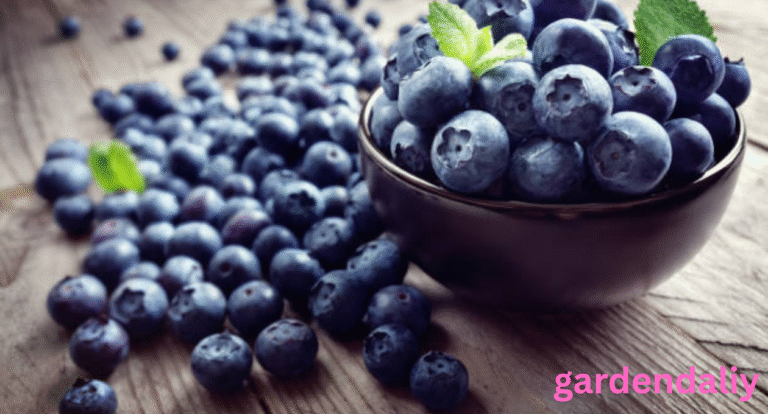
Blueberries have long been a favorite fruit for families, health enthusiasts, and food industries around the world. Sweet, convenient, and nutrient-rich, they’re often called a superfood. But lately, shoppers have noticed something alarming: blueberries are harder to find, more expensive, and sometimes unavailable altogether. This growing issue—now widely known as the blueberry shortage—is reshaping the fruit market and raising questions about the future of crop sustainability.

click in link Teal Fruits 

Understanding the Root Causes of the Blueberry Shortage

1. Climate Change Is Disrupting Growing Seasons

The biggest driver behind the blueberry shortage is the increasingly unpredictable climate. Blueberries require very specific conditions: cool winters, moderate summers, and stable rainfall. Unfortunately, many key growing regions have experienced dramatic shifts.

  • Heatwaves in the U.S. Pacific Northwest scorched berries before they could fully mature.
  • Unseasonal frosts in northern states and parts of Canada damaged blossoms, reducing yield potential.
  • Excessive rain and humidity in other regions led to fungal diseases and spoilage.

These extreme weather events don’t just reduce the number of berries produced—they also shorten harvest windows, making it harder for farmers to supply markets consistently.

The world relies heavily on international blueberry producers, especially during off-season months. Peru, one of the largest exporters, experienced an unexpected decline in crop volume due to climate anomalies tied to El Niño. This sudden shortage from a major supplier sent shockwaves through global markets.

Additionally, lingering supply chain problems—such as shipping delays, fuel price increases, and logistical bottlenecks—have made it harder and more expensive to transport blueberries across borders. Even when crops survive the weather, they may not reach stores on time.

blueberry shortage

3. Labor Shortages Are Impacting Harvests

Blueberries are delicate fruits that require hand-harvesting or careful mechanical picking. Many farms across the United States, Canada, and South America have struggled with labor shortages, especially during peak harvest months. Without enough workers, large portions of ripe berries go unpicked, contributing to decreased supply and financial losses for growers.

4. Demand for Blueberries Keeps Rising

While supply is shrinking, demand is soaring. Blueberries have exploded in popularity over the past decade due to their association with heart health, cognitive benefits, and high antioxidant levels. They are now used not only in households but also in:

  • Smoothie brands
  • Bakeries
  • Beverage companies
  • Health food manufacturers

This rising demand creates pressure on an already strained supply chain.

How the Shortage Is Affecting Consumers and Businesses

The blueberry shortage is being felt on multiple levels—from grocery stores to manufacturers to individual families.

1. Higher Prices at the Grocery Store

Consumers are noticing a 20–40% price increase in some regions. Because blueberries are so perishable, any reduction in supply drives prices up almost immediately. This makes fresh blueberries feel more like a luxury than an everyday staple.

2. Reduced Quality or Smaller Packaging

Some stores are shrinking package sizes slightly to avoid dramatic price hikes. Others are offering berries that may be smaller, softer, or less sweet due to climate-stressed crops. This means consumers may pay more but receive less value.

3. Limited Availability During Off-Season Months

Blueberries are typically available year-round thanks to global imports. But now, during certain months, shoppers encounter:

  • Empty shelves
  • “Temporarily unavailable” labels
  • Only frozen options

For families used to blueberries as lunchbox items, smoothie ingredients, or breakfast toppings, this inconsistency can be frustrating.

4. Impacts on Food Production Companies

Companies in the food industry are adapting as well. Some bakeries and manufacturers are:

  • Reformulating products
  • Switching to other fruits
  • Reducing blueberry content in certain recipes

This ripple effect shows how deeply a single fruit shortage can influence an entire sector.

What You Can Do During the Blueberry Shortage

Although the shortage may continue for the next few seasons, consumers still have options.

1. Choose Frozen Blueberries

Frozen berries are typically harvested at peak ripeness and are less affected by market shortages. They retain most of their nutrients and are often more affordable.

2. Try Other Berries and Fruits

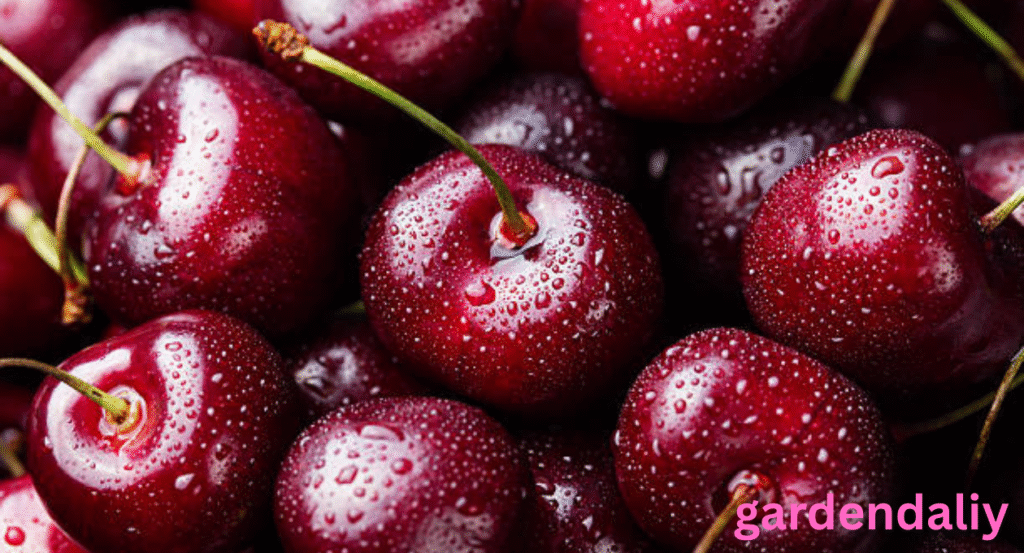
Strawberries, blackberries, grapes, or even cherries can serve as great alternatives in recipes and snacks.

3. Support Local Farms (When in Season)

Buying local helps farmers stay resilient and may give you access to fresh berries not yet affected by global supply shortages.

4. Grow Your Own Blueberry Bushes

For those with a garden or patio space, blueberry plants are surprisingly easy to grow and maintain. They also provide a long-term, sustainable supply.

blueberry shortage

Looking Ahead: Will the Blueberry Shortage Continue?

The future of blueberry production depends largely on how growers adapt to the changing climate. Some promising developments include:

  • Heat-tolerant blueberry varieties
  • Controlled-environment farming (like indoor berry greenhouses)
  • Improvements in irrigation and soil management
  • Advances in sustainable pest control

While it may take time for these solutions to scale, they offer hope that the blueberry market will stabilize in the years ahead.

Conclusion

The blueberry shortage highlights how vulnerable our food system is to climate change, labor shortages, and global supply disruptions. While the lack of consistent blueberry supply can be frustrating for shoppers, understanding the root causes allows us to make informed decisions—such as choosing frozen alternatives, supporting local farmers, or exploring other nutritious fruits. The future of blueberry production will depend on innovations in agriculture, more resilient crop varieties, and smarter global distribution. With the right efforts, blueberry availability can stabilize in the coming years, helping consumers and producers alike enjoy the benefits of this beloved superfood once more.

click in link Teal Fruits 

faqs

1. Why is there a blueberry shortage?

The shortage is mainly due to extreme weather, reduced crop yields, labor shortages, and disruptions in global supply chains. Increased demand also puts pressure on the market.

2. How long will the blueberry shortage last?

Experts expect shortages and price fluctuations to continue for at least another season or two, depending on weather conditions and international crop recovery.

3. Which countries are most affected?

Major producers such as the United States, Peru, and Canada have all reported lower yields due to climate-related issues.

4. Why are blueberries so expensive right now?

Reduced supply combined with high demand causes prices to rise. Transportation challenges and higher farm production costs also contribute.

5. Are frozen blueberries affected by the shortage?

Frozen blueberries are less affected because they’re processed at peak harvest and stored long-term. They remain a reliable and affordable option.

Teal Fruits Nature’s Rare Blue-Green Wonders

0

When we think of fruits, a rainbow comes to mind—reds, yellows, oranges, greens, and deep purples. But one shade almost never seen in nature is teal, the enchanting blue-green tone that evokes oceans, gemstones, and lush tropical jungles. While true teal fruits are extremely rare, nature does offer a few fruits with bluish, greenish-blue, or teal-tinted characteristics. Beyond the real, teal fruits have also become popular in food art, culinary creativity, and even fictional or conceptual design.

click in link Strawberry Shortage

What Makes Teal So Rare in Fruits?

Color in fruits depends on pigments—primarily anthocyanins, carotenoids, and chlorophyll.

  • Carotenoids produce warm colors like yellow, orange, and red.
  • Chlorophyll creates shades of green.
  • Anthocyanins produce blues, purples, and reds.

To achieve a true teal shade, a fruit would need a complex balance of pigments, particularly anthocyanins mixed with yellow or green tones. However, this delicate combination rarely occurs naturally, which is why teal fruits are nearly nonexistent. Even fruits that appear blue often lean toward purple or indigo.

That makes the few naturally bluish-green fruits even more fascinating.

1. Fruits That Come Close to Teal in Nature

Although not perfectly teal, several fruits come close enough to inspire curiosity.

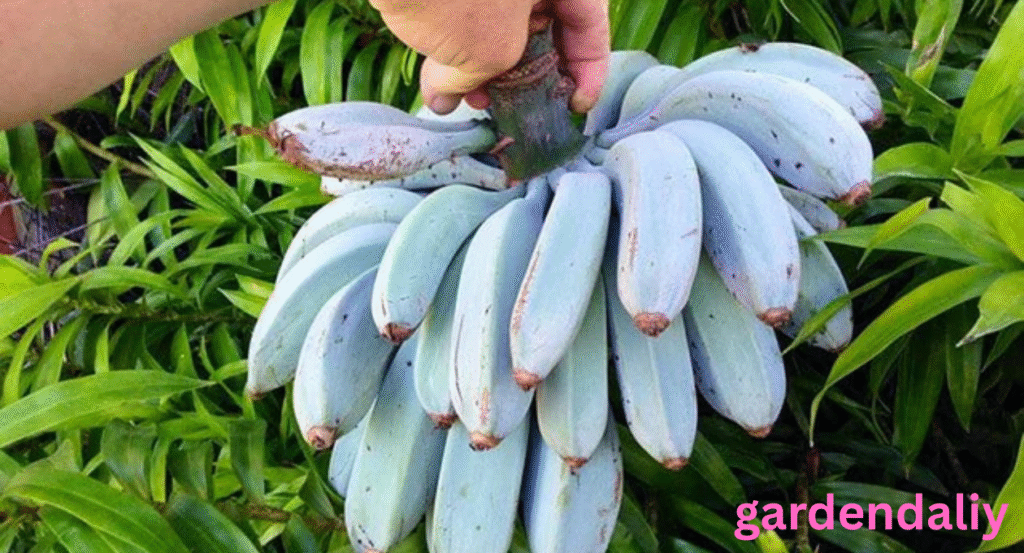
Blue Java Bananas (Ice Cream Bananas)

These bananas are famous for their bluish-silver peel, which can sometimes resemble a soft teal hue before ripening. Inside, they offer a creamy texture and vanilla-like flavor, making them a favorite among fruit enthusiasts.

teal fruits

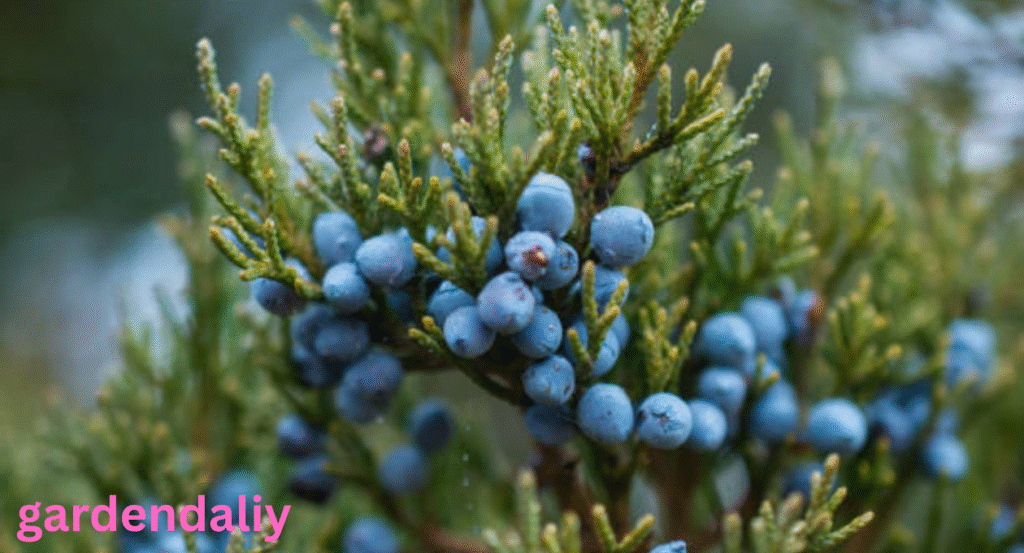
Juniper Berries

Juniper berries often appear deep bluish-green, especially when light reflects off their waxy surface. While not typically eaten like regular fruit, they are widely used for flavoring, including in the production of gin.

teal fruits

Indigo Rose Tomatoes

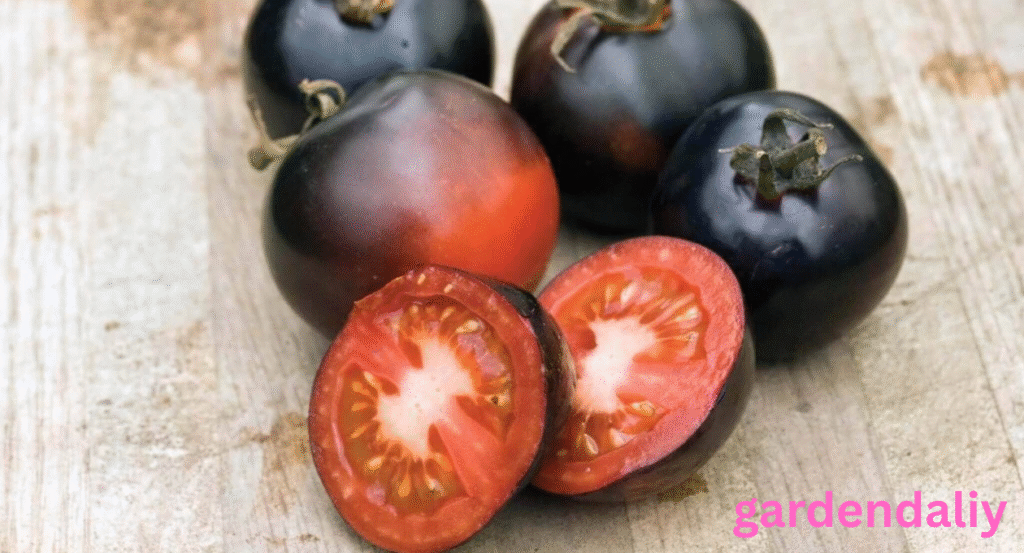
While mostly deep purple, some varieties take on a smoky bluish tint when exposed to sunlight. The combination of green and purple pigments can occasionally create a teal-like effect around the shoulders.

teal fruits

Blueberries

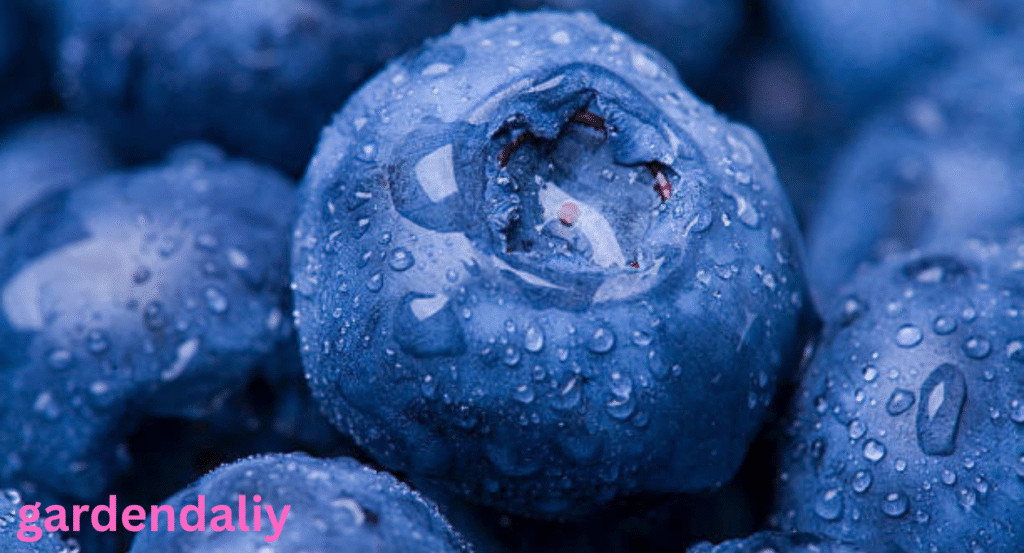
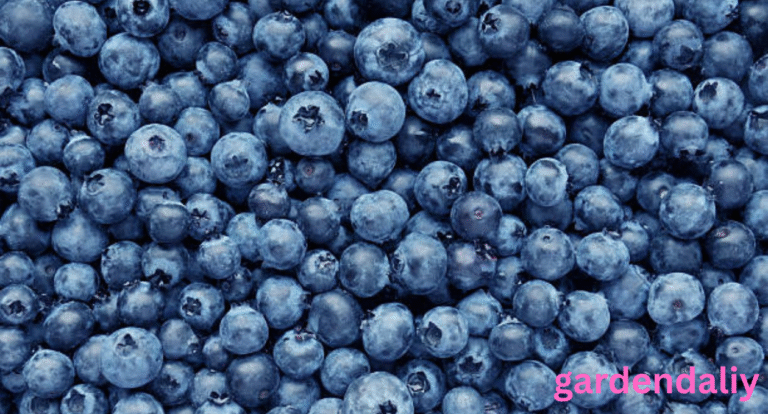
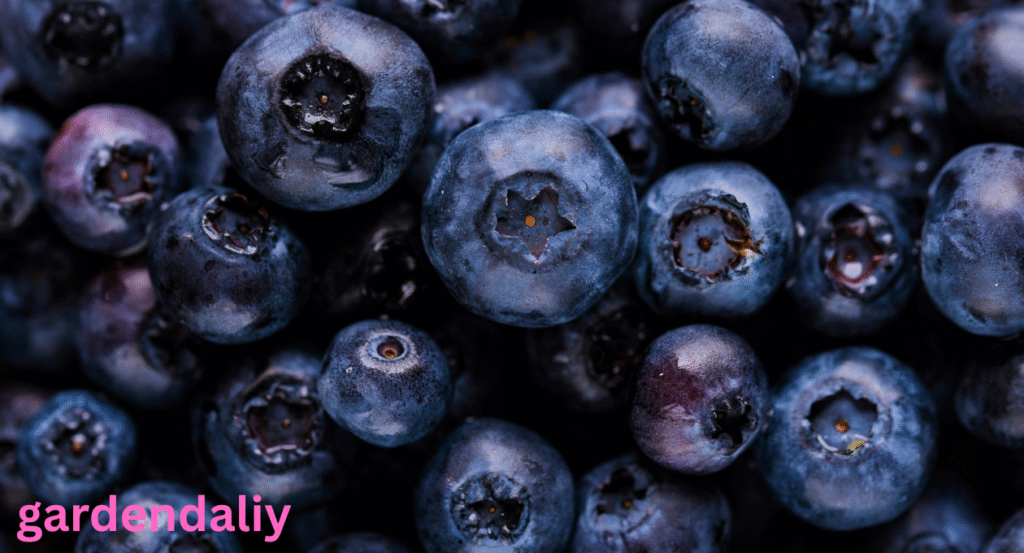
Though primarily blue-purple, some berries—especially when coated with their natural waxy “bloom”—can appear slightly greenish-blue, producing a tone close to teal.

These fruits remind us that nature’s palette, though limited, contains surprising variations when conditions align.

teal fruits

2. The Rise of Teal Fruits in Culinary Art

Because nature rarely produces teal fruit, chefs, designers, and home cooks have embraced the challenge creatively.

Teal-Themed Platters and Desserts

Food stylists have begun using natural dyes like butterfly pea flower—which produces a stunning blue that can shift toward teal when mixed with citrus—to create:

  • Teal fruit jellies
  • Teal smoothie bowls
  • Teal-coated berries
  • Teal-glazed fruit tarts

These dishes blend real fruits with artistic coloration, appealing to social media aesthetics and themed events.

Artificial and Conceptual Teal Fruits

In digital art and culinary design, teal fruits have become symbols of futurism and fantasy. They appear in:

  • Book illustrations
  • Video game graphics
  • Sci-fi worldbuilding
  • Fictional ecosystems

These imagined teal fruits often represent magical properties or alien origins.

3. Why People Are Drawn to Teal Fruits

The color teal is associated with calmness, creativity, and mystery. In food, it evokes a sense of novelty and elegance. People are naturally drawn to things that challenge expectations, and teal fruits do exactly that.

Symbolism of the Color Teal

  • Balance: A blend of tranquil blue and refreshing green
  • Uniqueness: Rare in both nature and cuisine
  • Modernity: Popular in graphic design and branding

This emotional appeal makes teal fruits—real or imagined—especially attractive.

4. Can We Grow Teal Fruits in the Future?

Science is already manipulating pigments in plants to create new colors. Through selective breeding, hybridization, and even genetic editing, researchers can adjust anthocyanin and chlorophyll levels to produce new hues.

Future possibilities include:

  • Nutrient-enhanced blue-green berries
  • Teal-toned tropical fruits
  • Health-focused produce combining natural blue antioxidants with green nutrients

While ethical and environmental considerations remain important, the idea of teal fruits entering supermarkets one day is not impossible.

5. How to Create Teal Fruit Dishes at Home

Even if nature doesn’t provide teal fruits, you can bring the aesthetic to your kitchen.

Use Natural Colorants

  • Butterfly pea powder + lemon juice → bright teal
  • Spirulina → deep blue-green tones
  • Matcha + blue spirulina → layered teal effects

Creative Serving Ideas

  • Teal smoothie bowls topped with kiwi, banana, and berries
  • Fruit popsicles tinged with natural blue-green color
  • Teal-drizzled fruit salad for parties or events

These creations maintain fruit’s natural taste while adding exciting color.

Conclusion

While teal fruits are rare in the natural world, their allure is undeniable. Whether found in the slight bluish-green sheen of a juniper berry or crafted through artistic culinary design, teal fruits capture the imagination. They represent innovation, curiosity, and the desire to explore beyond traditional boundaries.

click in link Strawberry Shortage

Teal fruits remind us that nature still holds mysteries—and creativity lets us expand those wonders even further.

faqs

1. Do teal fruits exist naturally?

True teal fruits are extremely rare in nature. However, some fruits—like Blue Java bananas, juniper berries, and certain tomatoes—can show bluish-green or teal-like tones due to unique pigment combinations.

2. Why are teal fruits so uncommon?

Fruit color comes from pigments like chlorophyll, anthocyanins, and carotenoids. To produce teal, a fruit would need an unusual balance of blue and green pigments. This combination almost never occurs naturally.

3. What fruits come closest to teal?

Fruits with tones close to teal include:

  • Blue Java (ice cream) bananas
  • Juniper berries
  • Indigo Rose tomatoes
  • Some blueberries with a waxy coating

Though not perfectly teal, they offer blue-green hues.

4. Can teal fruits be created artificially?

Yes. Culinary artists often use natural food colorants like butterfly pea flower, spirulina, or matcha blended with blue dyes to create teal-colored fruit dishes, smoothies, and desserts.

5. Are teal fruits safe to eat?

Naturally occurring fruits with bluish-green tones are safe if eaten ripe. Artificial teal foods using natural colorants (butterfly pea, spirulina) are also safe. However, brightly colored synthetic dyes should be consumed in moderation.