Home Blog Page 4

Teal Fruits Nature’s Rare Blue-Green Wonders

0

When we think of fruits, a rainbow comes to mind—reds, yellows, oranges, greens, and deep purples. But one shade almost never seen in nature is teal, the enchanting blue-green tone that evokes oceans, gemstones, and lush tropical jungles. While true teal fruits are extremely rare, nature does offer a few fruits with bluish, greenish-blue, or teal-tinted characteristics. Beyond the real, teal fruits have also become popular in food art, culinary creativity, and even fictional or conceptual design.

click in link Strawberry Shortage

What Makes Teal So Rare in Fruits?

Color in fruits depends on pigments—primarily anthocyanins, carotenoids, and chlorophyll.

  • Carotenoids produce warm colors like yellow, orange, and red.
  • Chlorophyll creates shades of green.
  • Anthocyanins produce blues, purples, and reds.

To achieve a true teal shade, a fruit would need a complex balance of pigments, particularly anthocyanins mixed with yellow or green tones. However, this delicate combination rarely occurs naturally, which is why teal fruits are nearly nonexistent. Even fruits that appear blue often lean toward purple or indigo.

That makes the few naturally bluish-green fruits even more fascinating.

1. Fruits That Come Close to Teal in Nature

Although not perfectly teal, several fruits come close enough to inspire curiosity.

Blue Java Bananas (Ice Cream Bananas)

These bananas are famous for their bluish-silver peel, which can sometimes resemble a soft teal hue before ripening. Inside, they offer a creamy texture and vanilla-like flavor, making them a favorite among fruit enthusiasts.
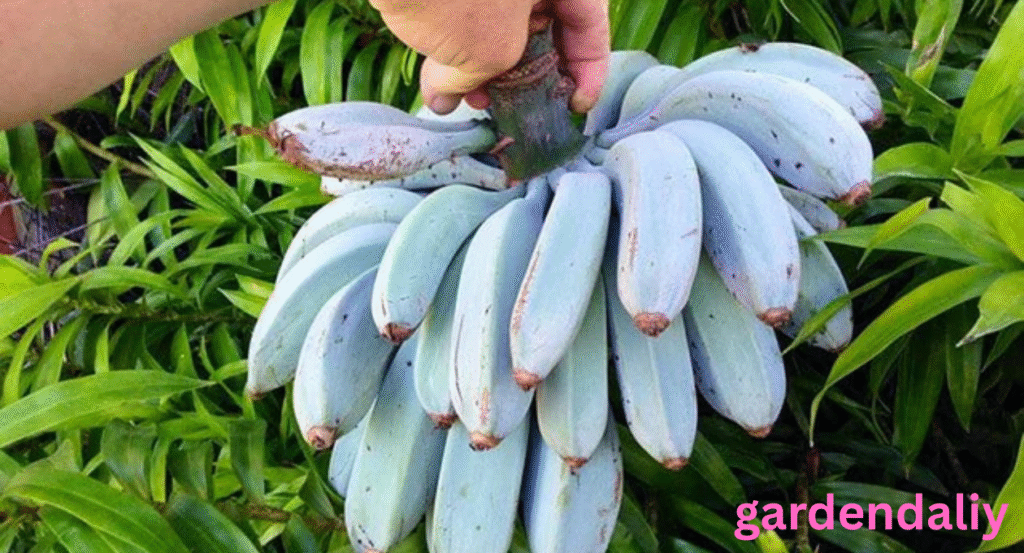
teal fruits

Juniper Berries

Juniper berries often appear deep bluish-green, especially when light reflects off their waxy surface. While not typically eaten like regular fruit, they are widely used for flavoring, including in the production of gin.
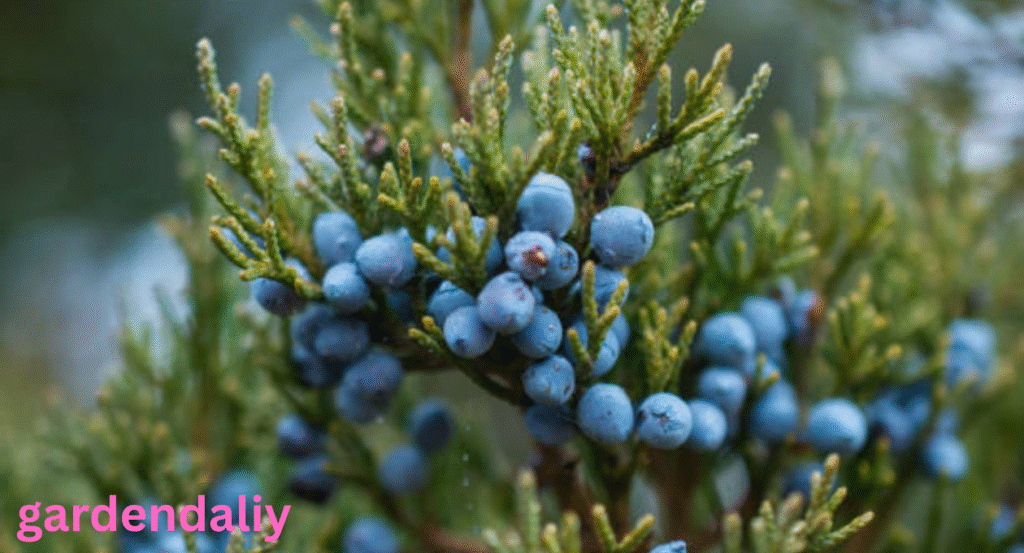
teal fruits

Indigo Rose Tomatoes

While mostly deep purple, some varieties take on a smoky bluish tint when exposed to sunlight. The combination of green and purple pigments can occasionally create a teal-like effect around the shoulders.
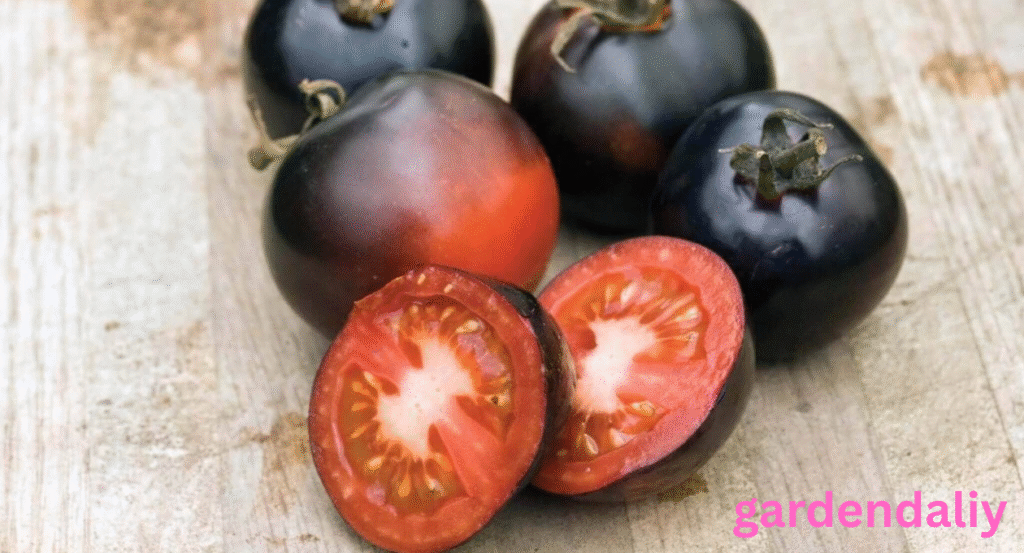
teal fruits

Blueberries

Though primarily blue-purple, some berries—especially when coated with their natural waxy “bloom”—can appear slightly greenish-blue, producing a tone close to teal.

These fruits remind us that nature’s palette, though limited, contains surprising variations when conditions align.

teal fruits

2. The Rise of Teal Fruits in Culinary Art

Because nature rarely produces teal fruit, chefs, designers, and home cooks have embraced the challenge creatively.

Teal-Themed Platters and Desserts

Food stylists have begun using natural dyes like butterfly pea flower—which produces a stunning blue that can shift toward teal when mixed with citrus—to create:

  • Teal fruit jellies
  • Teal smoothie bowls
  • Teal-coated berries
  • Teal-glazed fruit tarts

These dishes blend real fruits with artistic coloration, appealing to social media aesthetics and themed events.

Artificial and Conceptual Teal Fruits

In digital art and culinary design, teal fruits have become symbols of futurism and fantasy. They appear in:

  • Book illustrations
  • Video game graphics
  • Sci-fi worldbuilding
  • Fictional ecosystems

These imagined teal fruits often represent magical properties or alien origins.

3. Why People Are Drawn to Teal Fruits

The color teal is associated with calmness, creativity, and mystery. In food, it evokes a sense of novelty and elegance. People are naturally drawn to things that challenge expectations, and teal fruits do exactly that.

Symbolism of the Color Teal

  • Balance: A blend of tranquil blue and refreshing green
  • Uniqueness: Rare in both nature and cuisine
  • Modernity: Popular in graphic design and branding

This emotional appeal makes teal fruits—real or imagined—especially attractive.

4. Can We Grow Teal Fruits in the Future?

Science is already manipulating pigments in plants to create new colors. Through selective breeding, hybridization, and even genetic editing, researchers can adjust anthocyanin and chlorophyll levels to produce new hues.

Future possibilities include:

  • Nutrient-enhanced blue-green berries
  • Teal-toned tropical fruits
  • Health-focused produce combining natural blue antioxidants with green nutrients

While ethical and environmental considerations remain important, the idea of teal fruits entering supermarkets one day is not impossible.

5. How to Create Teal Fruit Dishes at Home

Even if nature doesn’t provide teal fruits, you can bring the aesthetic to your kitchen.

Use Natural Colorants

  • Butterfly pea powder + lemon juice → bright teal
  • Spirulina → deep blue-green tones
  • Matcha + blue spirulina → layered teal effects

Creative Serving Ideas

  • Teal smoothie bowls topped with kiwi, banana, and berries
  • Fruit popsicles tinged with natural blue-green color
  • Teal-drizzled fruit salad for parties or events

These creations maintain fruit’s natural taste while adding exciting color.

Conclusion

While teal fruits are rare in the natural world, their allure is undeniable. Whether found in the slight bluish-green sheen of a juniper berry or crafted through artistic culinary design, teal fruits capture the imagination. They represent innovation, curiosity, and the desire to explore beyond traditional boundaries.

click in link Strawberry Shortage

Teal fruits remind us that nature still holds mysteries—and creativity lets us expand those wonders even further.

faqs

1. Do teal fruits exist naturally?

True teal fruits are extremely rare in nature. However, some fruits—like Blue Java bananas, juniper berries, and certain tomatoes—can show bluish-green or teal-like tones due to unique pigment combinations.

2. Why are teal fruits so uncommon?

Fruit color comes from pigments like chlorophyll, anthocyanins, and carotenoids. To produce teal, a fruit would need an unusual balance of blue and green pigments. This combination almost never occurs naturally.

3. What fruits come closest to teal?

Fruits with tones close to teal include:

  • Blue Java (ice cream) bananas
  • Juniper berries
  • Indigo Rose tomatoes
  • Some blueberries with a waxy coating

Though not perfectly teal, they offer blue-green hues.

4. Can teal fruits be created artificially?

Yes. Culinary artists often use natural food colorants like butterfly pea flower, spirulina, or matcha blended with blue dyes to create teal-colored fruit dishes, smoothies, and desserts.

5. Are teal fruits safe to eat?

Naturally occurring fruits with bluish-green tones are safe if eaten ripe. Artificial teal foods using natural colorants (butterfly pea, spirulina) are also safe. However, brightly colored synthetic dyes should be consumed in moderation.
Pokeweed Look Alikes Learn How to Correctly Identify Plants 

0

Pokeweed (Phytolacca americana) is a plant that often stands out because of its tall height, colorful stems, and deep purple berries. While some people admire its dramatic appearance, pokeweed look alikes is also highly toxic, and misidentifying it can lead to serious health risks for humans, pets, and livestock. Adding to the challenge, several plants in North America share similar features—berries, leaves, or stems—making them easy to confuse with pokeweed.

click in link Japanese Knotweed Berries

In this blog, we’ll explore the key characteristics of pokeweed, why it’s frequently mistaken for other plants, and the most common pokeweed look-alikes you may encounter in the wild or in your backyard.

What Is Pokeweed?

Pokeweed is a perennial herb that grows vigorously in disturbed soil. You’ll often find it along fence lines, roadsides, forest edges, abandoned lots, and untended gardens. Mature plants can reach up to 10 feet tall, creating a bush-like appearance. Although pokeweed has historical significance in folk medicine and traditional southern cooking (such as “poke sallet”), modern health authorities strongly warn against consuming any part of the plant due to its toxicity.

Key Features of Pokeweed

  • Height: 3–10 feet
  • Stems: Smooth, thick, and reddish-purple
  • Leaves: Large, oval, bright green, and arranged alternately
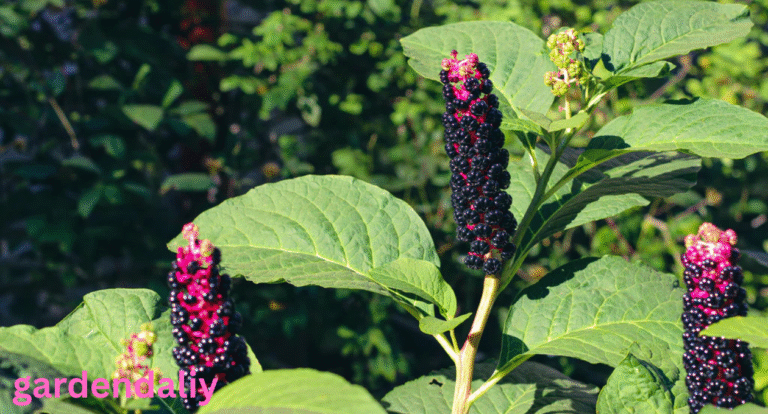
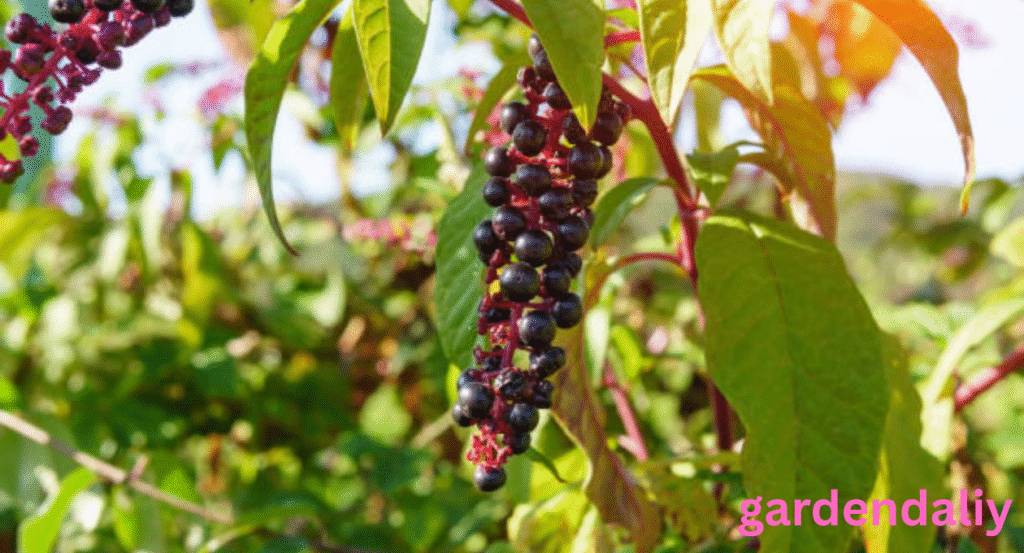
  • Berries: Drooping clusters of green berries that ripen into shiny purple-black fruit
  • Roots: Large, white, and carrot-like

Each part of the plant contains toxic compounds, making identification especially important.

Why Pokeweed Gets Confused with Other Plants

Several plants share features such as:

  • Colorful berries
  • Reddish stems
  • Tall, shrubby growth
  • Large green leaves

At a quick glance—or from a few steps away—pokeweed can look similar to elderberry, dogwood shrubs, or even ornamental plants like beautyberry. However, subtle but reliable differences can help you identify what’s what.

How to Identify Pokeweed Correctly

Before exploring pokeweed look-alikes, it’s helpful to understand the details that make pokeweed unique.

1. Leaves

Pokeweed leaves are large (up to 12 inches), smooth-edged, and slightly wavy. They grow in an alternating pattern and taper into a pointed tip. The surface is smooth, not fuzzy or textured.

2. Stems

The stems are one of the easiest identifiers. Mature pokeweed stems are reddish-purple and thick. Unlike woody shrubs, pokeweed stems remain herbaceous (soft) throughout the season and contain a white pith inside.

3. Berries

Pokeweed berries grow in elongated, drooping racemes. Each berry starts green and slowly turns dark purple or almost black. The berry stalks are usually bright red or pink.

4. Root System

Pokeweed has a large, white taproot that resembles a giant parsnip. This root is especially toxic and difficult to remove once established.

Common Pokeweed Look-Alikes

Now let’s explore the plants most commonly confused with pokeweed and the traits that set them apart.

1. Elderberry (Sambucus spp.)

Elderberry is perhaps the most common pokeweed look-alike because of its dark berries and similar height.

Similarities

  • Both grow berries that turn dark purple or black
  • Both reach 6–10 feet tall
  • Found in similar environments

How to Tell Them Apart

  • Berry Structure: Elderberries grow in flat-topped, umbrella-shaped clusters, not long drooping ones
  • Stems: Elderberry stems are woody, not soft
  • Leaves: Elderberry leaves are compound, with multiple leaflets
  • Edibility: Elderberries are edible when cooked; pokeweed berries are poisonous

If the plant looks like a small tree with woody stems, it is likely elderberry.

pokeweed look alikes

2. American Beautyberry (Callicarpa americana)

This plant is popular in gardens and grows naturally in woodland areas.

Similarities

  • Produces colorful berries
  • Has a shrubby, bush-like form

Key Differences

  • Berry Color: Beautyberry fruits are bright purple or magenta, not dark purple-black
  • Berry Arrangement: Berries form in tight clusters around the stem, not elongated drooping strands
  • Stems: Usually green, not red

Beautyberry is harmless and attractive, making it a common garden plant.

3. Dogwood Shrubs (Cornus spp.)

Several dogwood species produce berries and broad green leaves.

Similarities

  • Oval leaves
  • Seasonal berries
  • Shrub-like growth

How They Differ

  • Berries: Dogwood berries are usually white, blue, or red, not black
  • Leaf Veins: Leaves have distinctive curved veins
  • Stems: Dogwood stems are truly woody, unlike pokeweed’s soft stems

If the plant resembles a small tree with firm branches, it’s most likely dogwood.

4. Porcelain Berry (Ampelopsis brevipedunculata)

Often confused with pokeweed from a distance, porcelain berry is an invasive vine.

Similarities

  • Grows clusters of berries
  • Sometimes has reddish stems

Clear Differences

  • Berry Colors: Can be blue, teal, purple, pink, or even speckled
  • Growth Habit: It climbs like a vine, wrapping around fences and trees
  • Leaves: Deeply lobed, similar to grape leaves

Once you notice the climbing growth, it’s clearly not pokeweed.

5. Jerusalem Cherry (Solanum pseudocapsicum)

An ornamental plant often found indoors or in gardens.

Similarities

  • Produces round berries
  • Can appear bushy

Differences

  • Berry Color: Typically orange or red, not purple
  • Plant Size: Much smaller, usually under two feet
  • Leaves: Narrow and smooth

Even though it’s toxic, it doesn’t closely resemble pokeweed when inspected.

Conclusion

Identifying pokeweed and distinguishing it from its look-alikes is essential for anyone who hikes, gardens, or forages. While pokeweed’s colorful berries and red stems make it visually striking, its toxicity means you should always handle it with caution. Many plants—such as elderberry, beautyberry, dogwood, and porcelain berry—may appear similar at first glance, but key differences in their stems, leaves, and berry clusters make it possible to tell them apart confidently.

click in link Japanese Knotweed Berries

By learning how to recognize these characteristics, you can protect yourself, your family, and your pets while also preserving beneficial or harmless plants that may share pokeweed’s appearance. Whether you’re exploring nature or simply trying to keep your garden safe, proper identification is your best tool.

FAQs

1. Is pokeweed poisonous?

Yes. All parts of pokeweed—including the berries, leaves, stems, and especially the roots—are toxic to humans, pets, and livestock. Eating pokeweed can cause nausea, vomiting, stomach pain, and more serious reactions.

2. How can I quickly tell pokeweed from elderberry?

Check the stems and berry arrangement. Elderberry has woody stems and flat umbrella-shaped clusters of berries, while pokeweed has soft purple stems and long drooping strands of berries.

3. Are pokeweed berries safe if cooked?

No. Unlike elderberries, pokeweed berries remain toxic even when cooked. They should never be eaten.

4. Where does pokeweed usually grow?

Pokeweed commonly grows in disturbed soils such as garden edges, pastures, fence lines, ditches, forest edges, and fields.

5. How can I safely remove pokeweed?

Wear gloves, long sleeves, and eye protection. Remove young plants by pulling up the entire root. Older plants have deep taproots that may require digging. Dispose of all parts of the plant in sealed bags—do not compost pokeweed.

6. Is beautyberry similar to pokeweed?

Only in berry color and general growth shape. Beautyberry has bright purple berries arranged in tight clusters around the stem, whereas pokeweed’s berries grow on long drooping stems.

Strawberry Shortage Climate Issues Crop Diseases Labor Problems and Supply Chain

0

Strawberries are one of the most beloved fruits worldwide—sweet, vibrant, and incredibly versatile. Whether enjoyed fresh, blended into smoothies, or used in desserts, they are a staple in many households. However, recent months have seen a noticeable strawberry shortage, leaving consumers, retailers, and farmers concerned. Prices are rising, supply is falling, and many are wondering: What exactly is causing this shortage?

click in link Jalapeño Shortage 

1. Weather Challenges and Climate Impact

One of the primary drivers of the strawberry shortage is unpredictable weather conditions. Strawberries are delicate fruits that require consistent, mild temperatures to thrive. Extreme weather such as:

  • Heavy rainfall
  • Droughts
  • Unusually hot temperatures
  • Frost spells

These changes disrupt strawberry growth, reduce crop yield, and delay harvests. For example, regions like California, Mexico, and Spain—major strawberry producers—have all faced extreme weather patterns that affected their production.

2. Disease and Pest Outbreaks

Strawberries are highly susceptible to certain diseases, including:

  • Fungal infections like powdery mildew
  • Fruit rot
  • Pests that feed on leaves and berries

When farms experience disease outbreaks, farmers often have no choice but to destroy affected crops to prevent spread. This results in a significant decline in supply, contributing to the shortage.

3. Labor Shortages in Farming Communities

Strawberry farming is exceptionally labor-intensive. The berries must be:

  • Hand-picked
  • Sorted
  • Handled delicately to avoid bruising

A shortage of agricultural workers—due to economic challenges, travel restrictions, or migration issues—greatly affects production capacity. With fewer hands in the fields, harvesting slows down, and fewer strawberries reach the market.

4. Supply Chain Disruptions

Global supply chains have still not fully recovered from earlier disruptions. Issues like:

  • Delays in transportation
  • Increased fuel costs
  • Packaging material shortages
  • Processing and distribution bottlenecks
strawberry shortage

All contribute to inconsistent delivery of strawberries to markets. Even when farms produce enough, logistics issues prevent a smooth supply flow.

5. Rising Costs of Production

Farmers are facing increased costs in nearly every area:

  • Fertilizers
  • Water
  • Transportation
  • Packaging
  • Wages

These rising expenses often force farmers to reduce the size of their crops or raise prices, eventually affecting availability for consumers.

6. Impact on Consumers and Businesses

The strawberry shortage has several noticeable impacts:

Higher Prices

Strawberry prices have increased significantly in many regions due to low supply.

Reduced Availability

Supermarkets may limit stock, and customers may find smaller quantities or lower-quality berries.

Effect on Food Industries

Bakeries, beverage companies, yogurt brands, and dessert manufacturers also face challenges in maintaining production levels.

Shift in Customer Preferences

Some consumers are switching to alternatives like blueberries, raspberries, or frozen strawberries.

7. What Consumers Can Do

While the shortage may continue for some time, consumers can take practical steps:

  • Buy frozen strawberries as they are often unaffected by fresh crop shortages.
  • Choose local or seasonal produce when available.
  • Support sustainable farming brands that prioritize environmental balance.
  • Try alternatives like raspberries or blackberries until supply improves.

Conclusion

The strawberry shortage is the result of multiple factors—weather extremes, crop diseases, labor issues, and supply chain challenges. While the situation has caused rising prices and reduced availability, it’s likely temporary as farms work to recover and adapt to climate and economic changes.

click in link Jalapeño Shortage 

Consumers can explore alternatives and support sustainable farming practices to ensure a more stable supply in the future. Strawberries may be scarce today, but with improved conditions and global efforts, we can expect better availability in the coming seasons.

faqs

1. Why is there a strawberry shortage right now?

The shortage is mainly caused by extreme weather, crop diseases, labor shortages, and supply chain disruptions. These factors reduce harvest size and delay deliveries to markets.

2. Which regions are most affected by the strawberry shortage?

Areas that rely heavily on imported strawberries—such as the U.S., UK, Europe, and parts of Asia—are experiencing the most noticeable shortages. Producer regions like California, Mexico, and Spain have faced climate challenges that reduced supply.

3. Are strawberry prices increasing because of the shortage?

Yes. With lower supply and high demand, strawberry prices have risen in many supermarkets and local markets.

4. How long will the strawberry shortage last?

The duration depends on weather conditions, crop recovery, and availability of labor. In most cases, shortages improve once the growing season stabilizes and new harvests begin.

5. Are frozen strawberries also affected by the shortage?

Frozen strawberries are less affected because they are processed earlier in the season and stored in bulk. They are a great alternative during shortages.

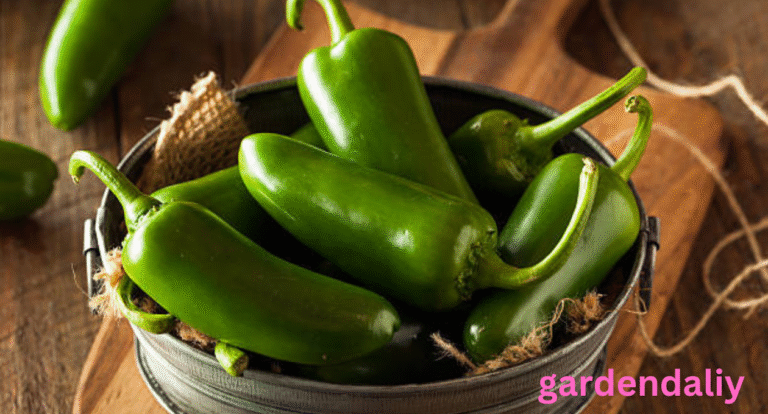
Jalapeño Shortage is creating major challenges for consumers farmers and food 

0

Jalapeño Shortage: What’s Behind the Spicy Crisis?

Jalapeños are a staple in countless dishes—from Mexican salsas and pizzas to sandwiches, burgers, and pickles. Their unique balance of heat and flavor makes them one of the world’s most popular peppers. But recently, many markets, restaurants, and food suppliers have reported a growing jalapeño shortage. Shoppers are seeing empty shelves, rising prices, and inconsistent quality.

click in link Mint Shortage 

So what exactly is causing this spicy shortage? Let’s break it down.

What Is Causing the Jalapeño Shortage?

1. Extreme Weather Conditions

Climate change has affected jalapeño production heavily. Major growing regions have experienced:

  • Unexpected frost
  • Long dry spells
  • Heatwaves
  • Heavy rainfall at the wrong time

Jalapeños need stable temperatures to thrive. When weather becomes unpredictable, yields drop dramatically.

2. Water Shortages and Drought

Pepper crops require consistent irrigation. Many jalapeño-growing regions are facing serious water shortages, leading to weaker plants, smaller peppers, and reduced harvests.

3. Rising Production Costs

Farmers are struggling with increased costs for:

  • Fertilizers
  • Labor
  • Transport
  • Irrigation systems

As farming becomes more expensive, some growers reduce the acreage dedicated to jalapeños, worsening the supply shortage.

4. High Global Demand

Jalapeños are more popular than ever. Growing use in:

  • Hot sauces
  • Packaged snacks
  • Fast food chains
  • International cuisines

has pushed demand higher. When supply falls and demand increases, a shortage is inevitable.

5. Supply Chain Disruptions

Shipping delays, fuel price hikes, and labor shortages have slowed down transportation. Even if farms produce enough jalapeños, getting them to the market on time is becoming a challenge.

How the Shortage Affects Consumers

1. Higher Prices

Shoppers are noticing that jalapeños cost more than usual. With limited supply, prices have increased in many markets, especially for fresh peppers.

2. Limited Availability

Some stores have reduced stock, while others are constantly sold out. Even pickled jalapeños and jarred slices are facing delays because manufacturers are waiting for raw materials.

3. Quality Fluctuations

Because farmers are rushing smaller yields to meet demand, many consumers are getting:

  • Smaller jalapeños
  • Less spicy peppers
  • Lower overall freshness

The usual crisp texture may not be the same either.

Impact on Restaurants and Food Industries

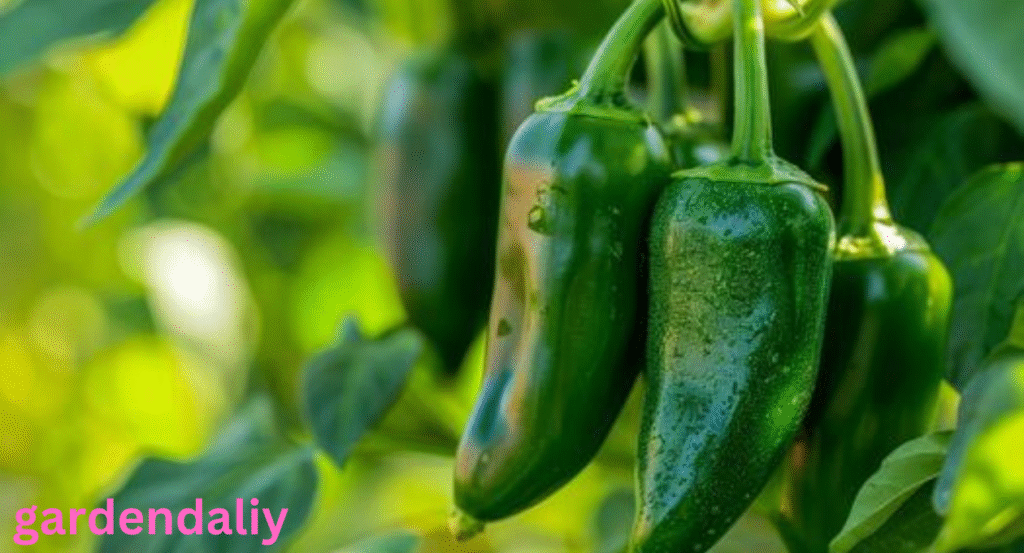
jalapeno shortage

1. Menu Adjustments

Restaurants that rely on jalapeños for flavor—especially Mexican, Tex-Mex, and fast-food chains—have been forced to adapt. Many are:

  • Reducing portions
  • Increasing menu prices
  • Using pickled jalapeños instead of fresh
  • Replacing jalapeños with milder peppers

Popular items like spicy burgers, nachos, and jalapeño poppers are affected the most.

2. Food Manufacturers Facing Shortfalls

Companies that produce sauces, snacks, and condiments using jalapeños are dealing with raw material shortages. Many have slowed production, shrunk packaging sizes, or raised retail prices.

3. Export and Import Pressure

Countries that rely on jalapeño imports are facing the steepest challenges. Limited international supply means delayed shipments and increased competition for available stock.

Possible Solutions to the Jalapeño Shortage

1. Controlled-Environment Farming

Hydroponics, greenhouses, and vertical farming can help regulate temperature, moisture, and sunlight. This reduces the impact of unpredictable weather.

2. Improved Irrigation

Modern irrigation systems like drip irrigation can help farmers conserve water while maintaining healthy crops.

3. Government Support

Subsidies, technical training, and financial assistance for pepper farmers can encourage expanded cultivation and more stable supply.

4. Local Home Gardening

For consumers, growing jalapeños at home is a simple and inexpensive solution. Pepper plants can thrive in pots or small garden beds, helping reduce dependence on imported produce.

How Long Will the Shortage Last?

Experts believe the jalapeño shortage may ease once the next growing season arrives—assuming weather patterns remain stable. However, if droughts or extreme heat continue, the shortage may last longer than expected.

Recovery also depends on:

  • Farmer investment
  • Transportation improvements
  • Market demand levels

In most regions, supply is expected to gradually improve, but prices may remain higher for some time.

Conclusion

The jalapeño shortage is a result of climate challenges, rising production costs, global demand, and supply chain disruptions. This combination has made it difficult for growers, retailers, and consumers alike.

While the shortage is inconvenient—especially for lovers of spicy food—solutions are on the way. With improved farming practices, better irrigation, and more support for growers, jalapeño production can bounce back. Until then, consumers may need to explore substitutes or grow a few peppers at home.

click in link Mint Shortage 

FAQs

1. Why are jalapeños so expensive right now?

Weather issues, reduced farming, and supply chain delays have created a shortage, raising prices.

2. Are restaurants replacing fresh jalapeños?

Yes. Some restaurants are using pickled jalapeños or milder peppers during the shortage.

3. Can the shortage affect packaged foods?

Absolutely. Hot sauces, pickles, and snacks that use jalapeños are already seeing reduced production.

4. How long will the shortage last?

It may improve with the next harvest, but long-term recovery depends on weather and farming conditions.

5. Can I grow jalapeños at home?

Yes! Jalapeños grow well in pots, gardens, and even balconies.

Mint Shortage 2025 What’s Behind the Price Hike

0

Mint is one of the most popular herbs in kitchens, cafes, and industries around the world. Whether it’s used in teas, chutneys, mojitos, medicines, skincare products, or simply as a garnish, mint plays a major role in daily consumption. However, in recent months, many regions have been facing an unexpected mint shortage, leading to rising prices and limited availability. This shortage has raised concerns among consumers, farmers, restaurants, and manufacturers alike.

click in link Cilantro Shortage

What Is Causing the Mint Shortage?

1. Extreme Weather Conditions

One of the biggest reasons behind the mint shortage is unpredictable weather. Heatwaves, untimely rains, and prolonged dry spells have affected mint-growing regions. Mint requires consistent moisture and mild temperatures; when the climate becomes extreme, yields drop drastically.

2. Reduced Crop Production

Farmers in many mint-producing regions have switched to other, more profitable crops due to rising cultivation costs. Mint farming demands water, fertilizers, and labor-intensive harvesting, making it hard for farmers to maintain large fields. As a result, overall production has decreased.

3. Rising Global Demand

With mint being used in food, beverages, essential oils, cosmetics, and pharmaceuticals, global demand has risen fast. When demand increases but supply falls, shortages occur naturally.

4. Supply Chain Disruptions

Transportation delays, lack of labor, fuel price hikes, and export limitations have all contributed to distribution issues. Even if mint is grown successfully, getting it to the market has become a challenge for suppliers.

How the Mint Shortage Is Affecting Consumers

1. Higher Prices

Consumers have noticed a significant rise in mint prices. In many markets, mint bundles cost double or even triple compared to last season. Restaurants and cafes using fresh mint in drinks and food are also feeling the pinch.

2. Limited Availability

Supermarkets and local vendors often run out of stock quickly. Even packaged mint products like mint leaves, mint chutney, and mint flavorings are experiencing delays.

3. Quality Issues

Because supply is limited, the available mint may not be as fresh or fragrant as before. Farmers are under pressure to harvest early, resulting in smaller and less flavorful leaves.

Impact on Businesses

1. Restaurants and Cafes

Businesses that depend on mint for beverages—especially mojitos, mint lemonades, shakes, and herbal teas—are forced to:

  • Reduce portion sizes
  • Raise prices
  • Replace fresh mint with artificial flavoring

2. Food Processing Companies

Companies producing mint-based sauces, sweets, oils, and medicines are facing raw material shortages. Some have temporarily slowed production or increased prices.

3. Exporters and Importers

Countries that rely on exporting mint products are struggling to meet international demand, creating global ripple effects.

Possible Solutions to the Mint Shortage

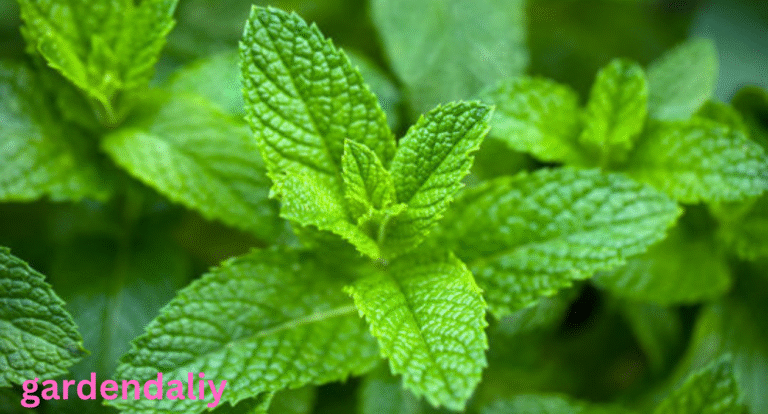
mint shortage

1. Encouraging Controlled Farming

Growing mint in greenhouses or using hydroponic systems can help ensure stable production. Controlled environments protect crops from weather issues and allow year-round harvesting.

2. Supporting Farmers

Providing subsidies, better irrigation facilities, and cost-effective fertilizers can motivate farmers to cultivate mint again.

3. Improving Storage and Supply Chains

Better transport, cold storage, and distribution networks can reduce waste and improve availability.

4. Encouraging Home Gardening

Consumers can grow mint at home in small pots or gardens. It is one of the easiest herbs to cultivate, even in limited space.

When Will the Mint Shortage End?

Experts believe that the shortage may ease once the next harvesting season begins and weather conditions stabilize. However, complete recovery might take time due to increasing demand. If farmers return to mint cultivation, supply levels can improve sooner.

Conclusion

The mint shortage is a result of multiple factors—weather changes, reduced farming, high demand, and supply chain issues. While the shortage has caused rising prices and limited availability, several solutions are already in discussion. By supporting farmers, improving distribution systems, and adopting sustainable growing practices, we can hope to see mint supplies stabilize in the future.

Mint may be scarce today, but with better planning and agricultural support, fresh mint could soon return to markets in abundance.

click in link Cilantro Shortage

FAQs

1. Why is mint so expensive right now?

Because production has decreased while demand remains high, leading to a shortage that increases prices.

2. Is the mint shortage temporary?

Yes, it is expected to improve with the next harvest, though complete recovery may take longer.

3. Can I grow mint at home easily?

Absolutely! Mint grows quickly with minimal care and is ideal for balconies, small gardens, and pots.

4. Are restaurants replacing fresh mint with alternatives?

Some restaurants are using mint essence or dried leaves due to limited fresh supply.

5. Which industries are most affected by the mint shortage?

Food and beverage companies, cosmetic manufacturers, herbal medicine producers, and restaurants.

Fuzzy Fruits  Nature’s Soft-Skinned Fruits

0

Fruit lovers often admire bright colors and juicy textures, but there is another category of fruits that catches attention for a very different reason—their fuzzy, velvety skin. Known as fuzzy fruits, these fruits have a soft layer of fine hair on the surface that sets them apart visually and texturally. While some people find the fuzz unusual, others appreciate it as a sign of nature’s protection. Beyond appearance, fuzzy fruits are incredibly nutritious, delicious, and versatile in the kitchen.

click in link Cranberry Shortage 

What Are Fuzzy Fruits?

Fuzzy fruits are fruits that naturally develop a fine, hair-like coating on their skin. This fuzz is not artificial—it is part of the fruit’s natural defense system. It protects the fruit from insects, intense sunlight, temperature changes, and excessive moisture loss. In many cases, the fuzz acts like a shield, helping the fruit stay hydrated and healthy until it ripens.

While some fuzzy fruits like peaches have noticeable fuzz, others like apricots have only a slight, soft coating. Regardless of the level of fuzz, these fruits share common qualities: sweetness, fragrance, and a rich nutritional profile.

Popular Types of Fuzzy Fruits

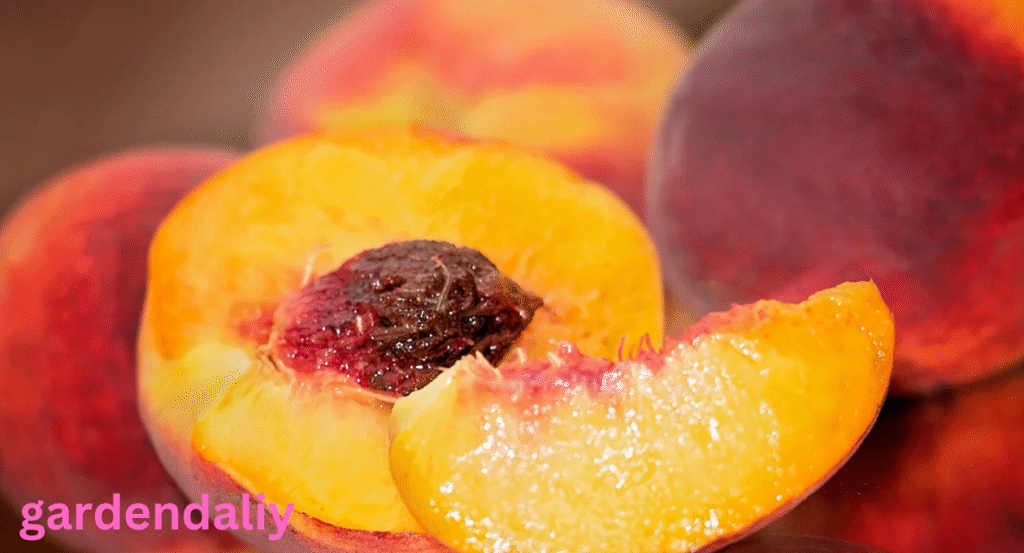
1. Peaches

Peaches are the most recognizable fuzzy fruit. Their golden skin, soft fuzz, and sweet, juicy flesh make them one of the world’s favorite summer fruits. Peaches are versatile—you can eat them raw, bake them in desserts, grill them, or blend them into smoothies.

fuzzy fruits

2. Kiwi

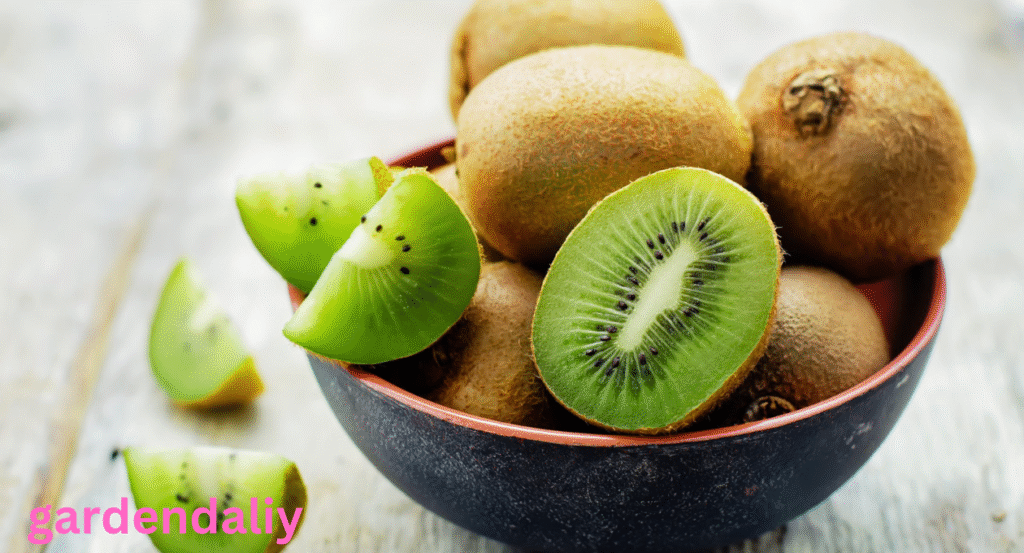
Kiwi fruits have a brown, fuzzy skin and a bright green interior filled with tiny seeds. Their taste is a refreshing mix of sweet and tart. Some people peel them, but the skin is completely edible and rich in fiber.

fuzzy fruits

3. Apricots

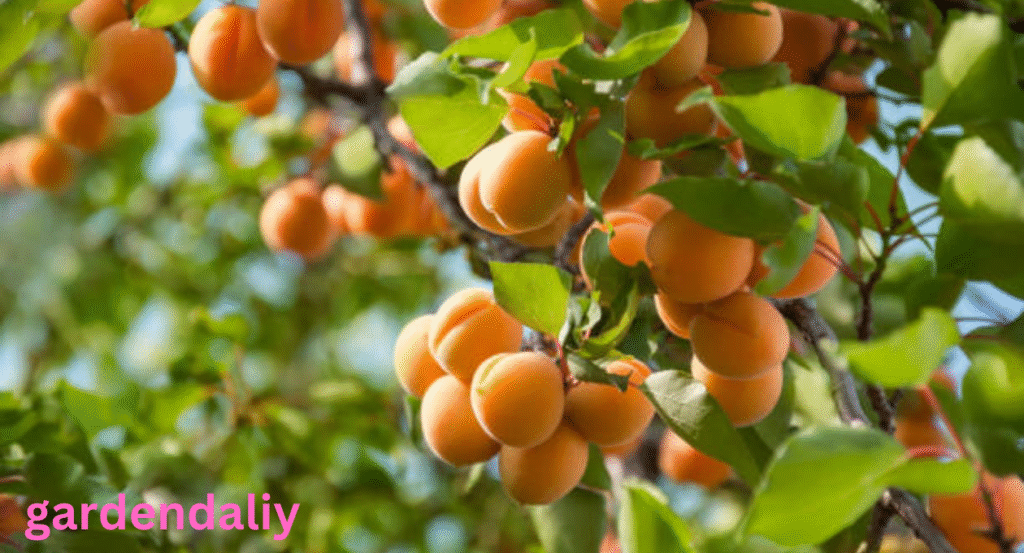
Apricots have a thin, velvety coat and are smaller than peaches. They offer a sweet, mildly tangy flavor. Apricots can be eaten fresh, dried, or cooked into desserts and savory dishes.

fuzzy fruits

4. Quince

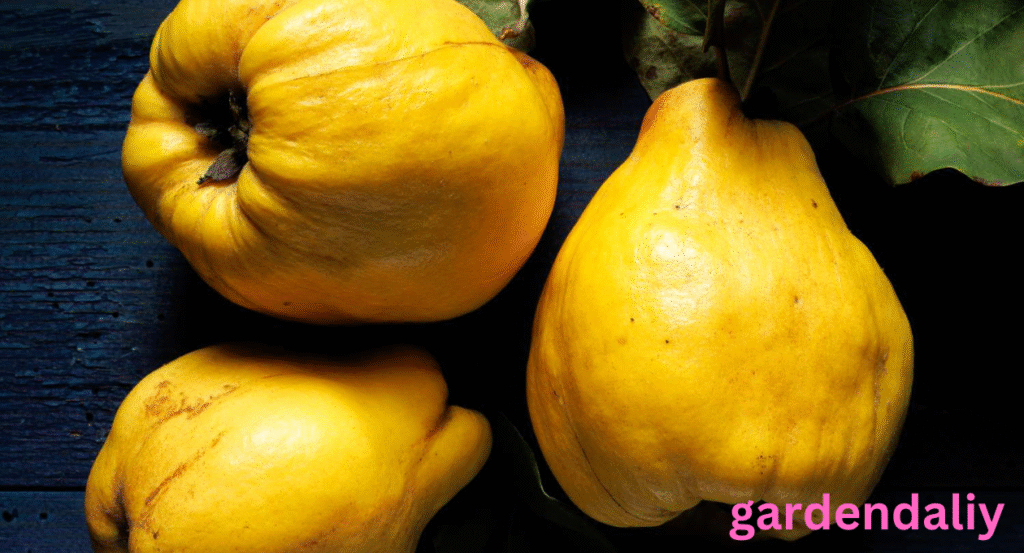
Quince is a hard, yellow fruit with a thick layer of fuzz. It is rarely eaten raw because of its tough texture, but it becomes soft, sweet, and aromatic when cooked. Quince is excellent for making jams, jellies, and traditional desserts.

fuzzy fruits

5. Sloes

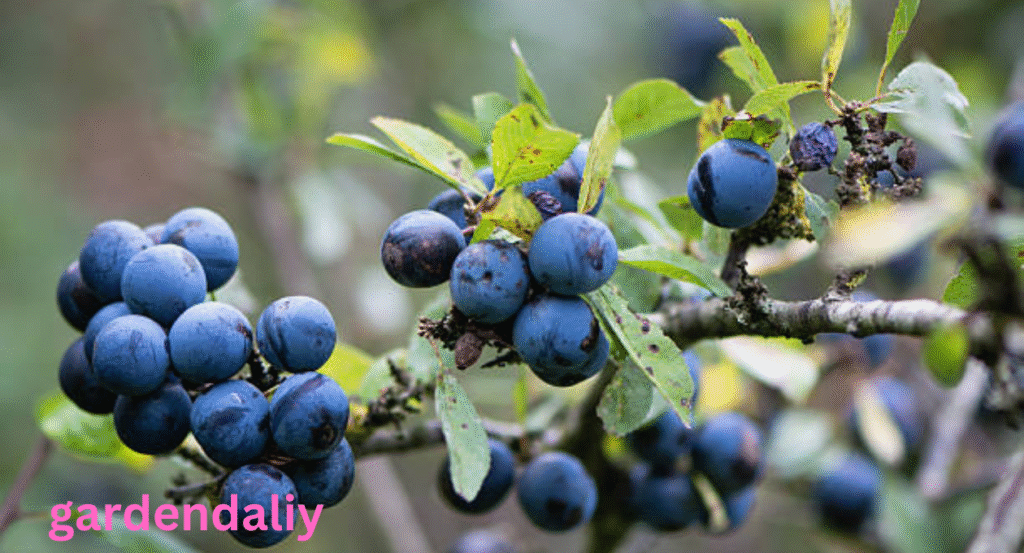
Sloes are small, dark berries with a powdery, fuzzy surface. They are extremely tart when eaten fresh but are popular for producing sloe gin, syrups, and preserves.

fuzzy fruits

Nutritional Value of Fuzzy Fruits

Fuzzy fruits may look simple, but they are packed with nutrients that support overall health. They provide a combination of vitamins, minerals, antioxidants, and fiber.

Rich in Vitamins

Many fuzzy fruits, especially peaches and kiwi, are high in vitamin C, which strengthens the immune system and promotes glowing skin. Apricots and peaches also contain vitamin A, important for eye health and cell growth.

High Fiber Content

The skin—and even the fuzz—contains dietary fiber. Fiber helps improve digestion, supports gut health, and prevents constipation. Kiwi skin, in particular, is one of the most fiber-rich edible skins among fruits.

Antioxidants

Fuzzy fruits contain antioxidants such as beta-carotene, polyphenols, and flavonoids. These fight inflammation, slow down aging, and protect the body from oxidative stress.

Hydrating and Low in Calories

Because fuzzy fruits contain high water content and are naturally low in calories, they make excellent snacks for hydration and weight management.

Why Are Fuzzy Fruits Increasing in Popularity?

1. Natural Protection

The fuzz acts as a natural barrier, reducing the need for heavy pesticides. This makes many fuzzy fruits appealing to people seeking cleaner, more natural food choices.

2. Popularity in Cooking Trends

Food bloggers, chefs, and home cooks love fuzzy fruits for their unique texture and flavor. Grilled peaches, kiwi salads, apricot tarts, and quince jams are becoming more common in modern recipes.

3. Skin and Beauty Benefits

Because of their vitamins and antioxidants, fuzzy fruits are often included in skincare and haircare products. They promote softer skin, brighter complexion, and overall hydration.

4. Social Media Aesthetic

On platforms like Instagram and Pinterest, fuzzy fruits are popular for smoothie bowls, fruit platters, and colorful summer recipes. Their vibrant interiors make them visually attractive.

How to Use Fuzzy Fruits in Everyday Meals

Smoothies and Juices

Peaches and kiwi make refreshing drinks with natural sweetness and bright flavor.

Desserts

Apricots and peaches are perfect for pies, cobblers, tarts, cakes, and compotes.

Grilled Dishes

Grilled peaches add depth to salads, meat dishes, and desserts.

Jams and Preserves

Quince and apricots are excellent for making long-lasting homemade jams.

Healthy Snacks

Fresh peach slices, dried apricots, and sliced kiwi are ideal for quick, nutritious snacking.

Tips for Buying and Storing Fuzzy Fruits

  • Choose fruits that feel firm but slightly soft when pressed.
  • Avoid fruits with bruises or deep wrinkles.
  • Peaches and apricots ripen best at room temperature.
  • Kiwi and quince last longer when refrigerated.
  • Rinse fruits gently under running water to remove dust and excess fuzz.

Proper storage ensures better flavor, longer freshness, and a more enjoyable eating experience.

Conclusion

Fuzzy fruits may look different, but their charm lies in their natural texture, incredible flavor, and impressive health benefits. Whether you enjoy the juicy sweetness of peaches, the refreshing tang of kiwi, or the aromatic richness of cooked quince, fuzzy fruits have something delicious to offer. Packed with nutrients and versatile in the kitchen, these fruits are worth adding to your diet for both taste and health.

click in link Cranberry Shortage 

faqs

1. What are fuzzy fruits?

Fuzzy fruits are fruits that have a natural layer of fine hair or fuzz on their skin. This soft coating protects the fruit from insects, sunlight, and moisture loss. Examples include peaches, kiwi, apricots, quince, and sloes.

2. Why do some fruits have fuzz?

The fuzz acts as a protective layer. It helps the fruit stay hydrated, shields it from pests, and prevents sun damage. It also reduces water evaporation while the fruit ripens.

3. Is the fuzz on fruits safe to eat?

Yes, the fuzz is completely safe to eat. It is natural and edible. Some people prefer to peel the fruit if they don’t like the texture, but it is not harmful in any way.

4. Can you eat kiwi with the skin?

Yes, kiwi skin is edible and contains a high amount of fiber and nutrients. The fuzz may feel unusual but can be washed, scrubbed lightly, or eaten as it is.

5. Are fuzzy fruits healthy?

Absolutely! Fuzzy fruits are rich in vitamins (especially A and C), antioxidants, fiber, and minerals. They support digestion, immunity, skin health, hydration, and overall well-being.

Japanese Knotweed Berries Facts Impact and Management

0

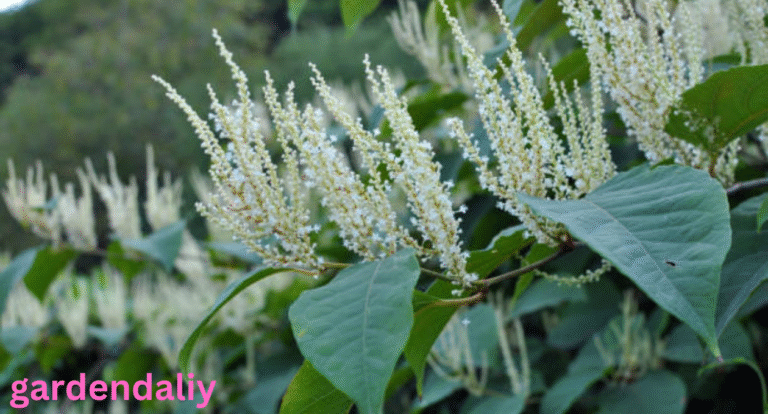
Japanese knotweed Berries (Fallopia japonica) is widely known as one of the most aggressive invasive plant species in the world. Native to East Asia, it was introduced to Europe and North America in the 19th century as an ornamental plant. While it is often recognized for its bamboo-like stems and rapid growth, its berries are less commonly discussed. In this article, we explore Japanese knotweed berries, their characteristics, ecological impact, potential uses, and management strategies.

click in link Cilantro Shortage

What Are Japanese Knotweed Berries?

Japanese knotweed produces small, greenish-white flowers in late summer, which later develop into tiny, dark reddish-brown or black berries. These berries are dry and not fleshy, which distinguishes them from conventional fruit. Unlike edible berries, Japanese knotweed berries are not considered safe for human consumption. They primarily serve as a reproductive mechanism, allowing the plant to spread seeds, although the plant mostly propagates vegetatively through rhizomes (underground stems).

Characteristics of Japanese Knotweed Berries

  1. Size and Appearance
    Japanese knotweed berries are tiny, usually measuring 2–3 mm in diameter. They appear in clusters along the flowering stems and are often inconspicuous due to their dark coloration and small size.
  2. Texture and Composition
    These berries are dry and hard rather than juicy. Their structure is designed to protect the seeds from environmental stress rather than to attract animals for consumption.
  3. Seed Dispersal
    While the plant predominantly spreads via rhizomes, seeds from the berries can contribute to its expansion. Birds and water can sometimes disperse the seeds over short distances, though this is less common compared to vegetative propagation.

Ecological Impact of Japanese Knotweed

Japanese knotweed is notorious for its ecological impact. It grows rapidly and forms dense thickets, which can outcompete native plants. The presence of its berries and flowers can have several effects on the surrounding ecosystem:

  • Reduction in Biodiversity: Knotweed’s dominance reduces sunlight and space for native flora, limiting food sources for local insects and birds.
  • Soil Erosion: Dense knotweed growth along riverbanks can destabilize the soil once the plant dies back in winter, increasing erosion risks.
  • Impact on Wildlife: While birds may occasionally consume the seeds, the plant generally provides limited nutritional value compared to native species.

Potential Uses of Japanese Knotweed Berries

Although Japanese knotweed berries are not edible, the plant itself has been studied for various potential uses:

  1. Medicinal Research
    Japanese knotweed contains high levels of resveratrol, a compound also found in grapes and red wine. Resveratrol is known for its antioxidant and anti-inflammatory properties. While research often focuses on stems and roots, berries may also contain beneficial compounds.
  2. Ecological Studies
    Scientists study knotweed berries to understand the plant’s reproductive strategies and to track its spread in non-native habitats.
  3. Ornamental Uses
    Some gardeners appreciate knotweed for its late-season flowers and berries in controlled environments, though this is strongly discouraged due to its invasive nature.

Managing Japanese Knotweed and Its Berries

Effective management of Japanese knotweed is crucial to prevent environmental and structural damage. Since the plant spreads mostly through rhizomes, controlling the berries alone is insufficient. Strategies include:

  1. Mechanical Control
    Cutting stems and removing new growth can limit flowering and berry production. However, careful disposal is required to prevent rhizome fragments from establishing elsewhere.
  2. Chemical Control
    Herbicides such as glyphosate can be applied to foliage for effective long-term control. Repeated applications may be necessary over several years to eradicate the plant.
  3. Professional Removal
    Due to legal regulations in some countries regarding Japanese knotweed, professional removal services may be the safest option, especially near water bodies or residential areas.
  4. Monitoring and Reporting
    Local authorities often encourage reporting knotweed infestations to track and manage the spread. Regular monitoring helps identify new growth before it becomes unmanageable.

Legal Implications

Japanese knotweed is classified as a controlled invasive species in many countries, including the UK and the US. It is illegal to plant or allow it to spread on your property. Failure to manage knotweed, including its berries and other reproductive structures, can lead to fines or legal action, particularly if it damages neighboring properties or protected environments.

click in link Cilantro Shortage

Conclusion

Japanese knotweed berries may appear small and harmless, but they are part of a highly invasive plant capable of causing significant ecological and structural damage. While the plant does have potential medicinal and scientific uses, its spread must be carefully managed. Understanding the characteristics of Japanese knotweed berries, alongside the plant’s reproductive methods, is vital for homeowners, gardeners, and environmental professionals seeking to control this invasive species. Proper management, awareness, and adherence to legal guidelines are the keys to minimizing the impact of Japanese knotweed on ecosystems and human settlements.

FAQs

Q1: Are Japanese knotweed berries edible?
A1: No, they are not considered safe for human consumption. The plant contains compounds that may cause adverse effects.

Q2: Can Japanese knotweed berries help in spreading the plant?
A2: Yes, although the plant mainly spreads through rhizomes, seeds from berries can contribute to its propagation.

Q3: When do Japanese knotweed berries appear?
A3: They typically develop in late summer following the flowering stage of the plant.

Q4: Can birds eat Japanese knotweed berries?
A4: Some birds may consume them, but the berries provide limited nutritional value and are not a primary food source.

Q5: How can I prevent Japanese knotweed from spreading?
A5: Effective strategies include cutting, herbicide application, professional removal, and careful disposal of plant material to prevent rhizome spread.

Cilantro Shortage 2025 Impact on Homes and Restaurants

0

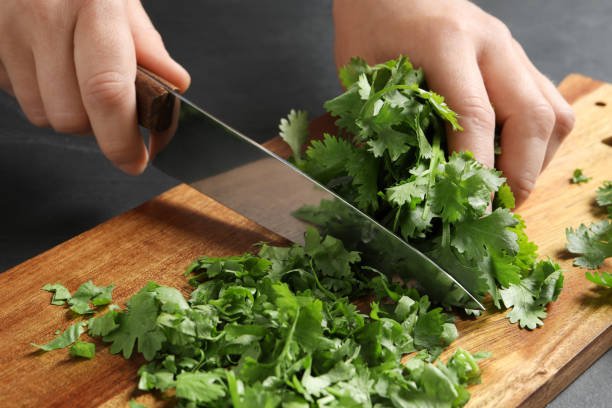
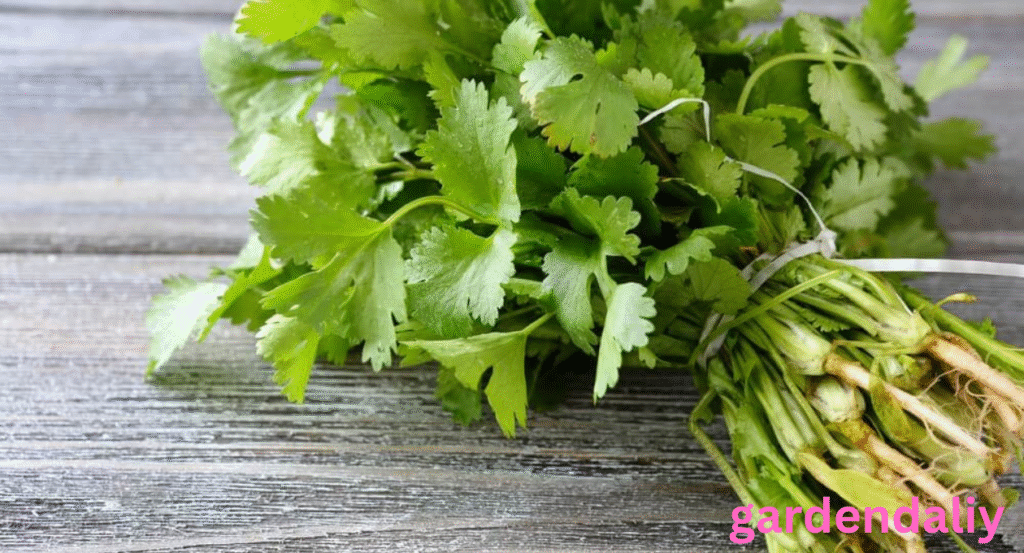
The cilantro shortage has emerged as a significant concern worldwide, affecting consumers, restaurants, and suppliers alike. Known for its fresh aroma and unique flavor, cilantro—also referred to as coriander leaves—is a staple ingredient in many cuisines, including Mexican, Indian, Middle Eastern, and Southeast Asian dishes. Its shortage has led to rising prices, limited availability, and disruptions across the food industry. This article provides a detailed analysis of the causes, impact, and possible solutions to the cilantro shortage in 2025.

click in link Green Onion Shortage 

Understanding the Cilantro Shortage

Cilantro is a delicate herb that grows best under moderate temperatures with well-drained soil. Its cultivation is highly sensitive to environmental conditions, and any disruption in weather, labor, or logistics can significantly affect supply. Over the past year, several factors have converged to create a global shortage, putting pressure on the entire supply chain.

Causes of the Cilantro Shortage

1. Extreme Weather Conditions

One of the most prominent causes of the cilantro shortage is unpredictable weather patterns. Major cilantro-producing regions have faced a combination of:

  • Heatwaves, causing the plant to bolt (flower prematurely), reducing leaf production
  • Heavy rainfall and flooding, destroying crops and washing away nutrients
  • Unexpected cold snaps, slowing plant growth and delaying harvests

Because cilantro has a short growing cycle, even minor environmental disruptions can lead to significant reductions in yield.

2. Labor Shortages

The shortage of skilled agricultural labor has further exacerbated the issue. Factors include:

  • Seasonal workers moving to higher-paying industries
  • Migration restrictions due to health or political reasons
  • Reduced workforce availability for planting and harvesting
  • Increased labor costs, forcing some farmers to cut back on production

Without adequate labor, farmers struggle to harvest cilantro at the right time, leading to losses and inconsistent supply.

3. Rising Farming and Production Costs

Farmers face increasing costs for:

  • Fertilizers and soil nutrients
  • Water and irrigation systems
  • Fuel for machinery and transportation
  • Packaging and cold storage

These rising expenses have led many farmers to reduce cilantro cultivation, limiting the volume available to wholesalers and retailers.

4. Supply Chain Disruptions

Cilantro is highly perishable, and any delay in the supply chain reduces its availability. Recent challenges include:

  • Shipping delays and port congestion
  • Limited cold storage facilities during transport
  • Shortages of packaging materials
  • Border inspections slowing down exports

These disruptions have led to spoilage and reduced the amount of fresh cilantro reaching markets on time.

5. Disease and Pests

Certain cilantro-growing regions have reported outbreaks of fungal infections and pest infestations, which damage the crop and lower overall quality. Disease control requires time, resources, and investment, further straining supply.

Global Impact of the Cilantro Shortage

1. Rising Retail Prices

Consumers worldwide are experiencing higher cilantro prices due to the imbalance between supply and demand. In some markets, prices have doubled or even tripled, impacting households that rely on cilantro as a regular ingredient.

2. Effects on Restaurants and Food Services

Restaurants, especially those specializing in cuisines like Indian, Mexican, Middle Eastern, and Southeast Asian, are adjusting menus in response to the shortage by:

click in link Green Onion Shortage 

  • Reducing cilantro portions
  • Substituting with alternative herbs
  • Removing cilantro-heavy dishes temporarily
  • Increasing menu prices to offset costs

3. Limited Availability in Markets

Supermarkets and local vendors report:

  • Smaller cilantro bundles
  • Lower-quality leaves
  • Empty shelves on peak days
  • Purchase restrictions to prevent hoarding

This limited availability has forced many consumers to seek alternatives or grow their own cilantro at home.

4. Impact on the Food Manufacturing Industry

Processed food manufacturers, including those producing sauces, ready-to-eat meals, and condiments, are facing challenges due to reduced cilantro supply. This has caused recipe reformulations, slower production, and sometimes temporary halts in product lines.

Regional Analysis of the Shortage

North America

Shortages in Mexico, California, and other key suppliers have affected both the U.S. and Canada. Supply gaps are causing higher prices in supermarkets and a limited variety of cilantro products.

Asia

India, Pakistan, and Bangladesh have experienced crop failures due to extreme heat and rainfall. Domestic shortages affect both retail markets and restaurant supply.

Europe

Rising transportation costs, combined with import delays, have reduced cilantro availability in many European countries. Fresh cilantro is now considered a premium product in some regions.

Middle East

Countries heavily reliant on imports are seeing severe shortages and high retail prices, impacting households and food service sectors.

Alternatives to Cilantro

When fresh cilantro is unavailable, consumers and chefs can use substitutes without significantly compromising flavor:

  • Parsley – mild flavor, works in salads and garnishes
  • Culantro – stronger flavor, similar aroma
  • Mint – good for chutneys, sauces, and salads
  • Basil – suitable for Mediterranean and Asian dishes
  • Coriander seeds – provides flavor in cooked dishes

These alternatives can reduce reliance on scarce cilantro and help maintain dish quality.

Solutions and Strategies

1. Investing in Controlled Farming

Hydroponic and greenhouse cultivation allows year-round production, protects crops from extreme weather, and increases yield per square meter.

2. Supporting Agricultural Labor

Providing fair wages, training programs, and seasonal worker support can ensure adequate labor for planting and harvesting.

3. Improving Supply Chain Management

Streamlining transportation, investing in cold storage, and diversifying import regions can prevent delays and reduce spoilage.

4. Consumer Practices

  • Properly store cilantro in airtight bags or jars
  • Freeze chopped cilantro for future use
  • Regrow cilantro at home from stems
  • Use substitutes when fresh cilantro is scarce

These measures help consumers cope with shortages and reduce waste.

Future Outlook

The cilantro shortage is expected to continue through late 2025, depending on climate conditions, labor recovery, and supply chain improvements. Long-term solutions such as greenhouse farming, hydroponics, and better logistics may stabilize supply and prevent future shortages.

Conclusion

The cilantro shortage is a complex issue caused by weather extremes, labor scarcity, rising costs, and supply chain disruptions. Its effects are visible globally, from households to restaurants to food manufacturing. While the shortage may persist in the short term, consumers, farmers, and businesses can adapt through smart alternatives, improved storage, and modern farming techniques.

faqs

1. Why is there a cilantro shortage?

The shortage is primarily caused by extreme weather, labor shortages, rising farming costs, supply chain disruptions, and crop diseases. Heatwaves, heavy rainfall, and cold snaps have damaged crops in major cilantro-producing regions.

2. Which countries are most affected by the shortage?

Countries dependent on imports, such as the United States, Canada, Europe, and Middle Eastern nations, are facing the greatest impact. Asian countries like India, Pakistan, and Bangladesh also experience local shortages due to climate-related crop losses.

3. Why are cilantro prices increasing?

Limited supply and high demand, combined with rising costs for labor, transportation, and farming inputs, have driven up prices in supermarkets, markets, and restaurants worldwide.

4. Are restaurants affected by the cilantro shortage?

Yes. Many restaurants, especially those serving Mexican, Indian, Middle Eastern, and Southeast Asian cuisine, have reduced cilantro portions, substituted with alternative herbs, or temporarily removed cilantro-heavy dishes.

5. What are good substitutes for cilantro?

Popular alternatives include:

  • Parsley – mild and versatile
  • Culantro – stronger flavor, similar aroma
  • Mint – good for sauces and salads
  • Basil – works in Mediterranean and Asian dishes
  • Coriander seeds – adds flavor to cooked meals


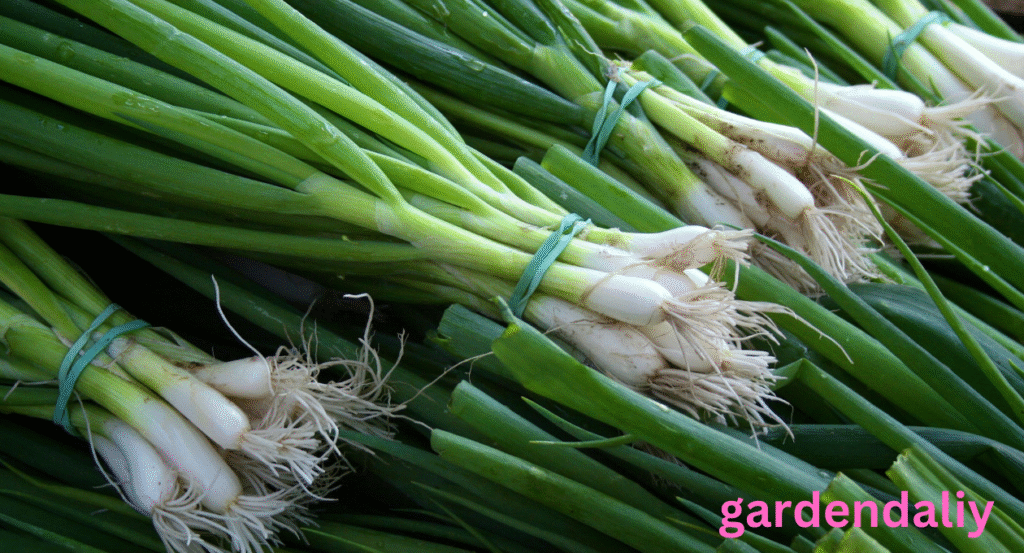
Global Green Onion Shortage 2025

0

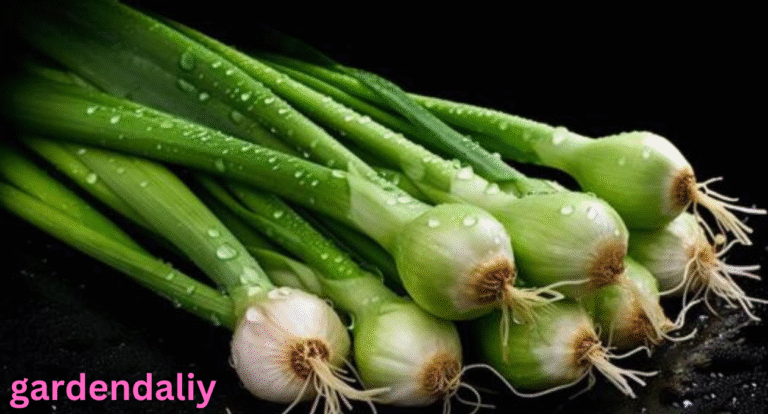
The global green onion shortage has become a significant concern across households, restaurants, retailers, and the entire agricultural supply chain. As one of the most widely used culinary ingredients—praised for its fresh flavor, versatility, and affordability—any disruption in green onion production has widespread effects. In this comprehensive guide, we examine the root causes, current market impact, and long-term solutions to understand this ongoing shortage in 2025.

click in link Cabbage Shortage 

Understanding the Green Onion Shortage

Green onions, also known as scallions or spring onions, are grown year-round in several regions around the world. However, a blend of environmental, economic, and logistical challenges has significantly reduced supply, leading to higher prices and limited availability in many markets.

Major Causes of the Green Onion Shortage

1. Extreme Weather Conditions

One of the biggest contributors to the green onion shortage is the series of severe climate events affecting major producing regions.

  • Unexpected frost and cold waves damaged crops during crucial growing periods.
  • Heatwaves and prolonged droughts reduced soil moisture and limited growth.
  • Heavy rainfall and flooding destroyed fields and slowed transportation.

Because green onions are delicate crops that require stable conditions, even a small change in climate can drastically affect yield.

2. Decline in Agricultural Labor

Many farms growing green onions are experiencing a shortage of skilled labor due to:

  • Workers switching to higher-paying industries
  • Migration restrictions
  • Health-related workforce limitations
  • Increasing operational costs for farmers

Without adequate labor, planting, harvesting, and processing have slowed down, reducing overall supply.

3. Rising Transportation and Input Costs

The cost of transporting green onions has surged due to:

  • Increased fuel prices
  • Higher shipping container costs
  • Limited trucking availability
  • Border delays

Additionally, farmers face rising expenses for fertilizers, seeds, water, and maintenance. These increased costs have forced many to reduce production or pass costs on to buyers.

4. Supply Chain Disruptions

Global supply chains are still recovering from recent disruptions. Delays in transportation, shortage of packaging materials, and increased inspection times have slowed movement across regions. For crops with a short shelf life like green onions, any delay results in major losses.

5. Disease and Pest Outbreaks

Certain regions have reported fungal infections and pest infestations affecting green onion fields. These outbreaks have caused:

  • Lower yields
  • Poor quality produce
  • Higher costs for pest management

Such issues further reduce availability in local and export markets.

Impact of the Green Onion Shortage

1. Higher Retail Prices

Consumers worldwide are noticing a significant increase in green onion prices. In some areas, prices have doubled or tripled. This makes daily cooking more expensive, especially in countries where green onions are a staple ingredient.

2. Impact on Restaurants and Food Businesses

Restaurants heavily reliant on scallions—including Asian, Middle Eastern, and Mexican cuisines—are making menu adjustments such as:

  • Reducing portion sizes
  • Using alternative garnishes
  • Increasing overall dish prices

For small businesses, the shortage has become a financial burden.

3. Reduced Availability in Markets

Supermarkets, vegetable markets, and wholesalers are reporting limited stock. Many retailers now:

  • Place quantity limits on customers
  • Import from distant regions at higher costs
  • Face inconsistent supply schedules

4. Effect on Food Manufacturing Industries

Prepared meals, sauces, and spice mixes often use green onions. Manufacturers are either reformulating recipes or slowing production due to the shortage.

Green Onion Shortage by Region

1. North America

Climate instability and reduced imports from Mexico have led to visible shortages in the U.S. and Canada.

2. Asia

In countries like China, India, Japan, and South Korea, weather-related crop losses have created supply gaps affecting both households and restaurants.

3. Europe

Higher transportation costs and limited import routes have resulted in sharp price hikes across EU markets.

4. Middle East & Gulf

Heavy reliance on imports means even minor disruptions lead to major shortages.

Possible Alternatives to Green Onions

Consumers and chefs can use these substitutes when green onions are unavailable:

  • Leeks – Mild flavor, good for soups
  • Chives – Similar aroma, best for garnishing
  • Shallots – Stronger flavor, suitable for sautéing
  • Garlic scapes – Excellent in stir fry
  • Red onions – Stronger flavor but workable in cooked dishes

Using alternatives helps reduce pressure on the limited green onion supply.

Solutions and Long-Term Strategies

1. Investing in Controlled Environment Agriculture

Greenhouse and hydroponic farming can help stabilize supply, as these systems:

  • Protect crops from harsh weather
  • Allow year-round production
  • Increase yields per acre

2. Government Support for Farmers

Subsidies, loans, and training programs help farmers recover from losses and increase future production.

3. Improving Labor Resources

Policies that support agricultural workers can significantly enhance productivity, including:

  • Training programs
  • Fair wages
  • Legal worker mobility

4. Strengthening Global Supply Chains

By improving logistics and diversifying sourcing regions, markets can become less vulnerable to disruptions.

5. Consumer Awareness and Smart Usage

Households can reduce waste by:

  • Storing green onions properly
  • Freezing chopped scallions
  • Growing small batches at home

Even simple home regrowth using leftover roots can provide a steady supply.

Future Outlook: When Will the Green Onion Shortage End?

The green onion shortage is expected to continue into late 2025, depending on:

  • Weather patterns
  • Labor market recovery
  • Transportation stability
  • Crop yield improvements

However, with increasing awareness and investment in modern agriculture, the situation is expected to gradually improve.

Conclusion

The green onion shortage is a complex issue fueled by climate challenges, rising costs, labor shortages, and supply chain disruptions. Its impact is felt across households, restaurants, and global markets. By adopting innovative farming methods, strengthening supply chains, and encouraging consumer alternatives, we can reduce the effects of future shortages. Staying informed and adapting smartly is essential as the world works toward a more resilient food system.

click in link Cabbage Shortage 

faqs

1. Why is there a green onion shortage in 2025?

The shortage is mainly caused by extreme weather, labor shortages, rising transportation costs, and supply chain disruptions. Crop damage from frost, heatwaves, and heavy rainfall has reduced overall production.

2. Which countries are most affected by the shortage?

Regions heavily dependent on imports—such as North America, Europe, and the Middle East—are seeing the biggest impact. Asian countries with large domestic consumption also face periodic supply gaps.

3. Why are green onion prices so high?

Prices have increased due to low supply and high demand, along with increased fuel, fertilizer, and labor costs. Retailers and wholesalers are passing these costs to consumers.

4. Are green onions safe to buy during the shortage?

Yes. The shortage is not related to any contamination or health issue. It is strictly a supply problem caused by environmental and economic factors.

5. When will green onions be available normally again?

Experts predict that the shortage may ease by late 2025, depending on weather conditions, supply chain recovery, and agricultural output.

6. What can I use instead of green onions?

Popular substitutes include chives, leeks, shallots, garlic scapes, and red onions. These provide similar flavor profiles in many dishes.

Cabbage Shortage Why Global Supplies Are Falling and Prices

0

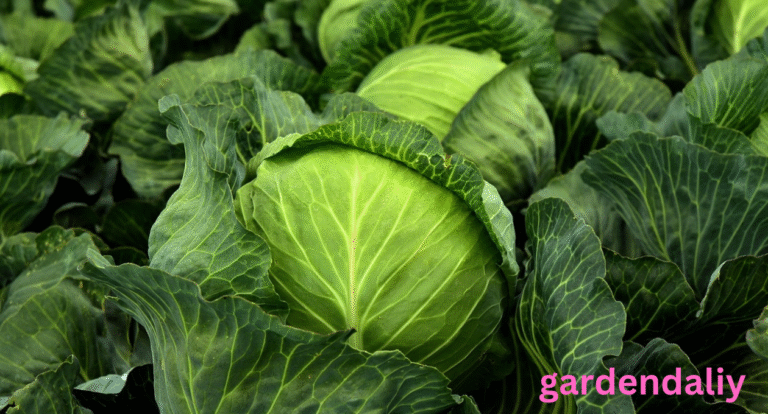
In recent months, people around the world have noticed something unusual in their local markets—cabbage is suddenly expensive, harder to find, and in some places, completely unavailable. A vegetable once known for being cheap and always in stock has now become part of a surprising global Cabbage Shortage.
So, what caused this cabbage shortage, and how is it affecting daily life? Let’s break it all down in a simple and informative way.

click in link Cranberry Shortage

Why Is There a Cabbage Shortage?

The shortage didn’t happen because of one single reason. Instead, multiple problems happened at the same time, creating a global supply issue.

1. Extreme Weather Conditions

Cabbage grows best in cool, stable weather. But lately, many cabbage-growing regions have faced:

  • Unusually heavy rain
  • Intense heatwaves
  • Sudden cold spells
  • Long periods of drought

Because of climate change, these unpredictable weather patterns have damaged crops, reduced harvest sizes, and even destroyed entire farms.

2. Higher Farming Costs

Farmers everywhere are struggling with rising prices of:

  • Fertilizer
  • Seeds
  • Farm labor
  • Water and irrigation
  • Transportation fuel

When costs go up, many farmers plant less cabbage, leading to lower supply in the market.

3. Supply Chain and Transport Problems

Even when cabbage is grown successfully, getting it to markets has become difficult due to:

  • Delayed shipments
  • Lack of transport workers
  • Fuel price increases
  • Port congestion

This slows down the distribution process and reduces availability.

How the Shortage Is Affecting Markets

The cabbage shortage has created a visible impact in local grocery stores and markets.

1. Prices Have Increased

In some countries, cabbage prices have doubled or even tripled. What used to be one of the most affordable vegetables is no longer cheap.

2. Low or Inconsistent Stock

Shops often receive small batches of cabbage, sell out fast, or don’t get any at all. This inconsistency frustrates customers and shop owners alike.

3. Restaurants Are Changing Menus

Dishes like:

  • Coleslaw
  • Chow mein
  • Cabbage rolls
  • Kimchi
  • Salads
  • Stir fry vegetables

are now more expensive to prepare. Some restaurants have even removed cabbage-based items from their menus temporarily.

Which Countries Are Affected the Most?

The cabbage shortage has hit several countries hard, especially those where cabbage is a staple food. These include:

  • Japan
  • South Korea
  • China
  • India
  • Bangladesh
  • Poland
  • Ukraine
  • Turkey

South Korea is facing a particularly serious problem because cabbage is essential for making kimchi, a traditional and everyday food.

Government Responses

Many governments are stepping in to control the crisis by:

  • Providing farmers with financial support
  • Reducing import taxes on cabbage
  • Investing in greenhouse farming
  • Helping improve transport and storage facilities
  • Encouraging alternative crop varieties
Cabbage Shortage

These steps aim to stabilize the supply and prevent long-term shortages.

Best Alternatives to Cabbage During the Shortage

If you can’t find cabbage or it’s too expensive, here are some great substitutes:

  • Lettuce
  • Kale
  • Spinach
  • Bok choy
  • Swiss chard
  • Napa cabbage
  • Romaine
  • Collard greens

While they don’t taste exactly the same, they work well in salads, stir-fries, soups, and many other dishes.

When Will the Shortage End?

Experts believe the cabbage shortage will ease once:

  • Weather conditions stabilize
  • New crops are harvested next season
  • Farmers increase production
  • Global supply chains improve

However, if climate change continues to intensify, similar shortages may happen again in the future.

Conclusion

The cabbage shortage shows how quickly a basic part of our daily diet can become scarce when weather, farming costs, and supply chains all fail at the same time. It also reminds us of the importance of sustainable agriculture and climate-friendly practices.
While this shortage may be temporary, the lessons learned from it are long-lasting.

click in link Cranberry Shortage

faqs

1. Why is there a cabbage shortage right now?

The cabbage shortage is mainly caused by extreme weather conditions, rising farming costs, and supply chain disruptions. Heavy rainfall, heatwaves, and transportation delays have all reduced the supply reaching markets.

2. Which countries are affected the most?

Countries in Asia and Europe are feeling the shortage the strongest—especially South Korea, Japan, China, India, Bangladesh, Poland, and Ukraine. These regions rely heavily on cabbage for daily meals.

3. Why has the price of cabbage increased so much?

When supply decreases and demand stays the same (or increases), prices naturally rise. High fertilizer prices, transportation issues, and poor harvests all contribute to the price jump.

4. What can I use as a substitute for cabbage?

You can use lettuce, bok choy, kale, spinach, napa cabbage, romaine, or Swiss chard as alternatives. While they may taste slightly different, they work well in salads, stir-fries, soups, and wraps.

5. When will the cabbage shortage end?

Experts expect improvement in the next growing season, assuming better weather and smoother supply chains. However, long-term stability depends on climate conditions and farming support.