Home Blog Page 5

Watermelon Shortage Rising Demand, Supply Chain Delays

0

Introduction

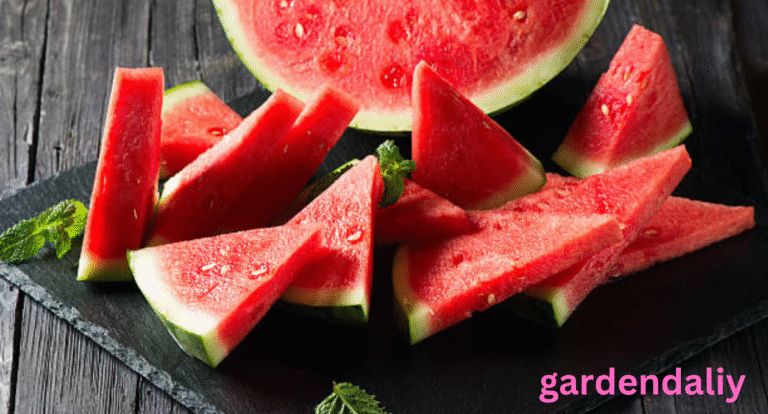
If you’ve visited a grocery store lately and noticed that watermelons are unusually expensive, unusually small, or completely missing from the shelves, you’re not imagining things. A watermelon shortage is happening in many parts of the world, and consumers aren’t the only ones feeling the impact. Farmers, retailers, restaurants, and even juice bars are struggling to keep up with the sudden decline in supply. But what exactly is causing this shortage? And how long will it last? Let’s break down what’s going on behind the scenes in a simple, easy-to-understand way.

click in link Mullein Look Alikes

Extreme Weather Conditions Are Hitting Farmlands Hard

One of the biggest reasons behind the shortage is extreme weather, especially heatwaves and drought. Watermelons need a lot of water to grow — much more than many other crops — and with higher temperatures and lower rainfall, farmers are struggling to keep their fields hydrated.

In several top-producing regions, temperatures have soared above normal levels, causing the fruits to grow smaller or dry out before harvest. Drought also impacts soil quality, making it harder for plants to absorb nutrients. Even when irrigation systems are used, water scarcity forces many farmers to reduce the size of their fields.

On the opposite end of the spectrum, heavy rainfall and flooding have destroyed crops in areas that normally produce abundant harvests. Too much water can rot watermelon vines, wash away seedlings, and make fields inaccessible for farmworkers. These unpredictable weather swings are becoming more frequent, which means watermelon crops simply can’t grow consistently.

Labor Shortages Are Slowing Down Harvest Season

Even when farms have healthy watermelon fields, many are struggling with another major issue: a shortage of agricultural workers. Watermelons are labor-intensive to harvest. They need to be picked manually because machinery can easily damage the fruit. But over the past few years, fewer workers have been available.

Some workers have shifted to other industries, while others are limited by travel restrictions or immigration regulation changes. As a result, watermelons often sit in the fields longer than they should, decreasing quality and reducing the amount that actually reaches stores.

When labor costs rise, it also becomes more expensive for farmers to maintain their crops. That increased cost eventually shows up in the final price consumers pay at the supermarket.

Supply Chain Delays Are Making the Problem Worse

Even after watermelons are harvested, they must be transported quickly to avoid spoilage. But ongoing supply chain delays have made this difficult. Rising fuel prices, truck shortages, and longer shipping times mean that many watermelons spoil before they ever reach stores.

In some cases, retailers receive shipments a week late — and by then, the fruit is too soft or damaged to sell. Importing watermelons from other countries should help, but international shipments are facing the same delays, making it hard to fill local shortages.

Demand Is Increasing Faster Than Supply

Another important factor driving the shortage is simple economics: demand is rising. More people are seeking out watermelon during hot weather for its high water content and natural sweetness. Social media has also boosted watermelon-based recipes like juices, salads, grill recipes, and fruit platters. Restaurants, juice bars, and smoothie shops rely heavily on watermelon during summer, but they now compete with regular consumers for whatever supply is available.

Because demand has remained strong while supply continues to shrink, prices naturally climb.

How the Watermelon Shortage Is Affecting Prices

The shortage has caused prices to jump significantly, and consumers around the world are noticing it. In some regions, the price of a whole watermelon has doubled. In others, stores limit how many customers can buy.

Restaurants and juice shops have also been forced to raise prices on popular menu items or remove watermelon-based dishes entirely. Some have switched to alternatives like cantaloupe or pineapple, but many customers still prefer the refreshing taste of watermelon.
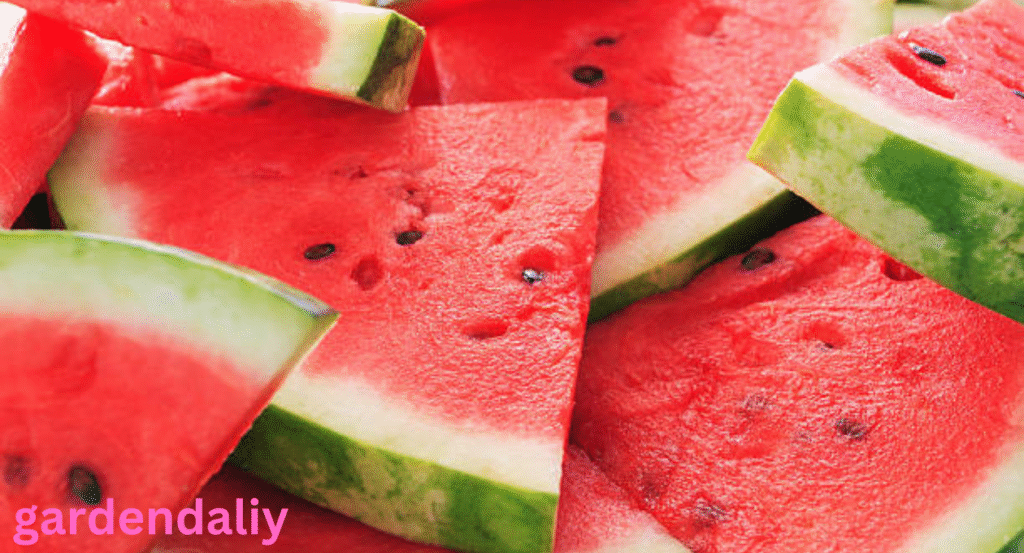
Watermelon Shortage

When Will the Watermelon Shortage End?

The big question everyone is asking is: How long will this shortage last?
The answer depends largely on weather conditions and labor availability. If temperatures stabilize and rainfall returns to normal, farmers may be able to recover in the next planting cycle. But if extreme weather continues — as climate experts predict — watermelon production could face ongoing challenges in the coming years.

Some farmers are already adapting by using improved irrigation systems, heat-resistant seeds, and smarter planting schedules. These solutions will help, but they take time to implement.

Conclusion

The current watermelon shortage isn’t the result of just one problem — it’s the outcome of extreme weather, limited labor, supply chain delays, and rising consumer demand. While the situation may improve with better weather conditions and stronger harvests, prices may remain higher than normal for a while. For now, consumers may need to be flexible, explore alternative fruits, or simply enjoy watermelon in smaller quantities until supply stabilizes again.

click in link Mullein Look Alikes

faqs

1. Why is there a watermelon shortage right now?

The current watermelon shortage is mainly caused by extreme weather conditions such as drought, heatwaves, and flooding. These weather patterns make it difficult for farmers to grow healthy crops. On top of that, labor shortages, supply chain delays, and rising transportation costs have made it even harder for watermelons to reach stores on time.

2. Why are watermelon prices so high?

Prices have increased because demand is higher than supply. With fewer watermelons available, retailers and suppliers raise their prices to balance the limited inventory. Rising fuel costs, shipping delays, and increased labor expenses also contribute to more expensive watermelons in grocery stores.

3. Is it still possible to find good-quality watermelons?

Yes, but they may be harder to find. Look for watermelons that have a creamy yellow field spot, a dull (not shiny) rind, and a hollow sound when tapped. Shopping early in the day or visiting local farmers’ markets can increase your chances of finding fresher and better-quality fruits.

4. How long will the watermelon shortage last?

The shortage may last until weather conditions stabilize and the next successful harvest cycle arrives. If farmers continue dealing with drought and heatwaves, the shortage could stretch into the next season. However, improved irrigation methods and new crop varieties may help ease the shortage in the future.

5. What can I use instead of watermelon?

If watermelons are too expensive or unavailable, you can switch to refreshing alternatives like cantaloupe, honeydew melon, pineapple, or oranges. These fruits offer similar hydration benefits and taste great in juices, salads, and summer recipes.
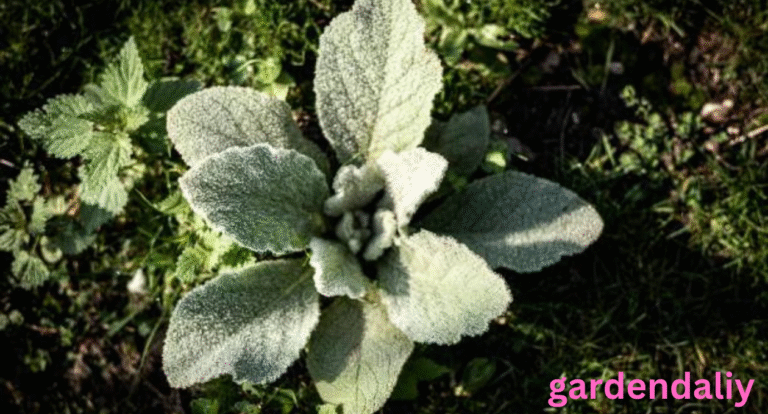
Mullein Look Alikes Learn the Differences

0

Mullein Look Alikes has become incredibly popular in recent years, especially among herbalists, foragers, and natural health enthusiasts. With its tall flower stalk, fuzzy leaves, and impressive height, mullein is one of the easiest herbs to spot—at least, that’s what most people think. The truth is, several plants look surprisingly similar to mullein, especially in their early growth stages. And if you’re harvesting mullein for tea, tinctures, or salves, misidentifying the plant can lead to ineffective remedies—or worse, unsafe results.

Whether you’re a beginner forager or someone curious about the plant’s medicinal uses, understanding mullein look-alikes is essential. This guide breaks down the plants most commonly mistaken for mullein, how to tell them apart, and what to watch out for in the wild.

What Does True Mullein Look Like?

Before learning the look-alikes, it helps to understand what genuine mullein (Verbascum thapsus) looks like.

Key features of true mullein:

  • Soft, thick, velvety leaves that feel like flannel
  • A low-growing basal rosette in its first year
  • A tall flower stalk—often 3 to 6 feet—in its second year
  • Yellow flowers that bloom along the stalk
  • A fuzzy texture covering the entire plant

Mullein almost looks like a giant fuzzy candle when it blooms. Its unmistakable texture is one of the easiest ways to confirm you’ve found the real deal.

Common Mullein Look-Alikes

Several plants share similar leaf shapes, rosette patterns, or growth habits. Here are the most common ones to be aware of.

1. Lamb’s Ear (Stachys byzantina)

Lamb’s ear is perhaps the most famous mullein look-alike. At first glance, the two plants look almost identical—soft, fuzzy leaves that grow low to the ground. Many beginners mix them up.

How to tell lamb’s ear from mullein:

  • Lamb’s ear leaves are shorter, rounder, and more oval-shaped.
  • The plant grows in fuller clumps, more like a groundcover.
  • Lamb’s ear rarely grows a tall central stalk like mullein.
  • Its fuzz is even softer and denser than mullein’s.
  • The plant produces purple flowers, not yellow.

Most importantly, lamb’s ear is completely harmless but not used the same way medicinally. If you’re collecting mullein for respiratory benefits, lamb’s ear won’t work as a substitute.

2. Foxglove (Digitalis purpurea)

This is one look-alike you must avoid because foxglove is toxic. While it doesn’t have fuzzy leaves like mullein, beginners sometimes confuse the two because foxglove also forms a basal rosette in its first year.

How to tell foxglove from mullein:

  • Foxglove leaves are smooth—not fuzzy.
  • Leaves have pronounced, visible veins.
  • The flower stalk is covered in bell-shaped purple or pink flowers, unlike mullein’s small yellow blooms.
  • Foxglove’s rosette leaves are thinner and more pointed.

Even small amounts of foxglove can be dangerous if ingested. If you’re ever unsure, check the leaf texture—mullein is ALWAYS velvety.

3. Great Mullein Variants and Hybrid Verbascum Species

Interestingly, mullein’s closest look-alikes are other mullein species. Verbascum plants hybridize easily, creating varieties with different colors or leaf shapes. But the good news? All Verbascum species are generally safe and share similar properties.

How to identify hybrid mulleins:

  • They may have white, pink, or purple flowers.
  • Leaves may be slightly less fuzzy.
  • Flower stalks can branch differently.

If it looks like mullein and feels like mullein—it’s probably a Verbascum species.

4. Comfrey (Symphytum officinale)

Comfrey sometimes gets mistaken for mullein because it forms large, floppy leaves near the ground.

Differences between comfrey and mullein:

  • Comfrey leaves are rough and scratchy—not soft.
  • The plant grows in a bush-like shape.
  • Flowers are small and bell-shaped, usually purple or white.
  • Stems are hollow and hairy.

Comfrey is used medicinally, but not for the same purposes as mullein, so confusing the two can affect your homemade remedies.

5. Evening Primrose (Oenothera biennis)

Evening primrose also grows in a basal rosette, making it another plant mistaken for mullein in its early stages.

How to tell the difference:

  • Evening primrose leaves are smooth with wavy edges.
  • No fuzzy or woolly texture.
  • The flower stalk produces large yellow blooms, but the stalk itself is hairless.

The lack of fuzz is the easiest giveaway.

Why Correct Identification Matters

Harvesting the wrong plant isn’t just inconvenient—it can be dangerous. While mullein is widely known for helping with congestion, coughs, and respiratory inflammation, its look-alikes don’t always offer the same benefits. Foxglove, for example, contains compounds that can affect the heart and should never be consumed.

Even harmless look-alikes like lamb’s ear simply won’t offer the medicinal effects you expect from mullein tea or tincture, which can make your remedies ineffective.

Correct identification ensures:

  • Safe harvesting
  • Effective herbal preparations
  • No accidental consumption of toxic plants

Always take your time, compare features carefully, and when in doubt—don’t harvest.

Conclusion

Identifying mullein in the wild can be incredibly rewarding, especially for foragers and herbal enthusiasts who rely on the plant’s soothing respiratory benefits. However, several plants share similar features with mullein, especially in their early rosette stages, which can lead to confusion—or even danger if toxic plants like foxglove are mistaken for mullein. Taking the time to study mullein’s soft, velvety leaves, tall flowering stalk, and distinct yellow blooms can help you avoid misidentification and ensure you’re harvesting safely.

While plants like lamb’s ear, evening primrose, and comfrey may look similar at a glance, each has unique characteristics once you learn what to look for. The key is to slow down, observe the details, and always check for mullein’s signature fuzzy texture. By becoming familiar with mullein’s look-alikes, you’ll feel more confident in your foraging skills and better able to enjoy the medicinal benefits of this remarkable plant.

With practice, patience, and awareness, identifying mullein becomes second nature—and exploring nature becomes safer and more enjoyable along the way.

FAQs

1. What is the easiest way to identify true mullein?

The easiest way is by touch—true mullein has thick, soft, fuzzy leaves covered in fine hairs. No dangerous look-alike shares this velvety texture.

2. Is foxglove really dangerous to confuse with mullein?

Yes. Foxglove contains toxic cardiac glycosides that can be harmful or even fatal if ingested. Its leaves are smooth, not fuzzy, which makes it easy to distinguish with close inspection.

3. Can lamb’s ear be used like mullein?

No. While lamb’s ear is safe and soft like mullein, it does not have the same medicinal properties. It’s mostly ornamental, though historically used as a wound dressing.

4. Are all mullein species safe to use?

Most Verbascum species share similar properties and are considered safe, though potency may vary. Always verify the species and research its uses before consuming.

5. What should I do if I’m unsure whether a plant is mullein?

Avoid harvesting it. Take photos, compare with reliable field guides, or consult an experienced forager or botanist to confirm the identification.

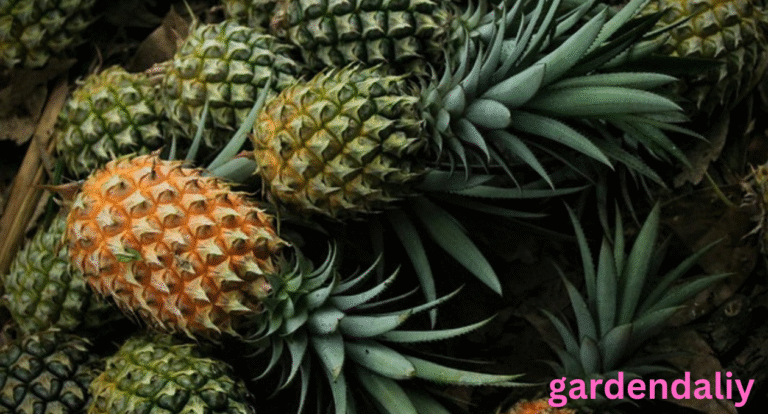
Pineapple Shortage What’s Really Happening and Why It Matters

0

If you’ve walked into a grocery store lately and noticed fewer pineapples on the shelves—or shockingly high prices—you’re not imagining things. A real global pineapple shortage is unfolding, and it’s affecting farmers, food companies, and everyday shoppers around the world. Pineapples have always been a reliable tropical fruit, easily available year-round, but 2024–2025 changed that dramatically. So, what exactly is going on? And more importantly, when will it end?

Let’s break it all down.

What’s Causing the Global Pineapple Shortage?

The current shortage isn’t the result of a single problem—it’s a perfect storm of several major issues happening at the same time.

1. Climate Change Is Hitting Pineapple Farms Hard

Pineapples grow best under stable tropical conditions. But in recent years, growers in major regions like Costa Rica, the Philippines, and Thailand have faced unpredictable weather patterns. Heat waves, unusually heavy rain, and extended droughts have disrupted the natural growth cycle of pineapple plants.

Farmers are reporting:

  • Lower fruit quality
  • Smaller sizes
  • Decreased sweetness
  • Plants dying before producing fruit

Because pineapples take 18–24 months to grow, one bad season can affect supply for years.

2. Supply Chain Disruptions Aren’t Helping

Even when pineapples are successfully harvested, getting them from farms to global markets has become more complicated. Rising fuel prices, delays in shipping routes, and limited cargo space mean fewer pineapples are making it to grocery stores.

The result? Higher costs, longer waiting times, and reduced availability.

3. Pest and Disease Outbreaks

Warmer climates have led to an increase in pests like mealybugs and fruit-boring moths. These pests destroy pineapple crowns and affect overall fruit quality. Many farmers aren’t equipped with the tools to fight these outbreaks, making the problem even worse.

Where Is the Shortage Felt the Most?

Although the shortage is global, some regions feel the pressure more than others.

North America & Europe

These areas depend heavily on imported pineapples. When exporting countries reduce shipments, prices immediately skyrocket. Some stores have even placed limits on purchases.

Asia

Countries like Japan and South Korea rely on pineapples from the Philippines and Thailand, both of which have reported significantly lower output.

How the Pineapple Shortage Affects You

You might think a fruit shortage isn’t a big deal—but the ripple effects are everywhere.

1. Higher Grocery Prices

Fresh pineapples are now 20–40% more expensive in some markets. And it’s not just whole fruit—canned pineapple, frozen pineapple, and pineapple juice have all jumped in price.

2. Menu Changes at Restaurants

From pizza toppings to tropical cocktails, pineapple plays a big role in the food service industry. Some restaurants have already:

  • Switched to lower-quality fruit
  • Reduced portion sizes
  • Increased menu prices

Your favorite piña colada? It might cost more this summer.

3. Food Manufacturing Slowdowns

Companies that make juices, fruit cups, yogurts, jams, and snacks are dealing with limited supply. Some have paused production temporarily or reformulated products to use less pineapple.

pineapple shortage

Are Farmers Able to Keep Up With Demand?

Unfortunately, no. Farmers are facing rising costs for fertilizer, transport, and labor. And because pineapples require such a long growing period, they can’t simply plant more to meet sudden demand spikes.

Many tropical farmers are also shifting to more reliable crops like bananas and papayas. This means the pineapple shortage could last longer than expected.

Can the Pineapple Industry Recover?

The good news is that recovery is possible, but it won’t be immediate.

Experts predict:

  • Supply might stabilize within 12–24 months
  • New farming technologies could improve yields
  • Climate-resilient pineapple varieties are being tested

Farmers and exporters are already working on better irrigation, improved pest control, and more sustainable farming systems.

But until these solutions scale, consumers should expect intermittent shortages and higher prices.

How You Can Adapt During the Shortage

Here are some practical tips to help you handle the ongoing shortage:

  • Choose alternatives: Mango, papaya, and peaches work well in smoothies and desserts.
  • Buy frozen or canned: These options may still be available even when fresh isn’t.
  • Reduce waste: Use every part of the pineapple—even the core, which is great for juices.
  • Support local farmers: If you live in a region where pineapples grow, buying local helps stabilize the market.

Conclusion

The global pineapple shortage has become more than just a temporary inconvenience—it’s a clear signal of how deeply connected our food systems are to climate, trade, and agricultural sustainability. From extreme weather destroying crops to supply chain disruptions slowing shipments, every part of the pineapple’s journey has faced unexpected challenges. As a result, consumers around the world are seeing fewer pineapples on shelves, higher prices, and changes in the products they buy every day.

But there is hope. Farmers, researchers, and food companies are already working on solutions, including improved farming techniques, climate-resilient pineapple varieties, and more dependable distribution networks. While recovery may take time, awareness of the issue helps us make smarter choices—whether by supporting sustainable brands, reducing food waste, or choosing alternatives when pineapple supplies are tight.

The shortage reminds us that even a fruit as simple and sweet as pineapple depends on a complex global system. By understanding the challenges and supporting positive change, we can help ensure a more stable and sustainable supply in the future.

FAQs

1. Why is there a pineapple shortage right now?

The shortage is mainly caused by climate change, extreme weather, reduced crop yields, supply chain issues, and increased global demand. Combined, these factors have created a significant drop in pineapple availability.

2. Which countries are most affected?

Regions that rely heavily on pineapple imports—such as the United States, Canada, Japan, and many European nations—are experiencing the biggest impacts, including higher prices and limited supply.

3. Are pineapple prices expected to rise more?

Yes, prices may continue to remain high or even increase until production stabilizes. Seasonal changes and shipping conditions can also influence pricing.

4. How long will the pineapple shortage last?

Experts predict it may take 12–24 months for supply to fully recover, depending on weather patterns, farming conditions, and global logistics improvements.

5. What can consumers do during the shortage?

Consumers can explore alternatives like mango, papaya, or peach, buy frozen or canned pineapple when available, reduce food waste, and support sustainable brands and local farmers.

Global Eggplant Shortage Climate Change, Rising Costs

0

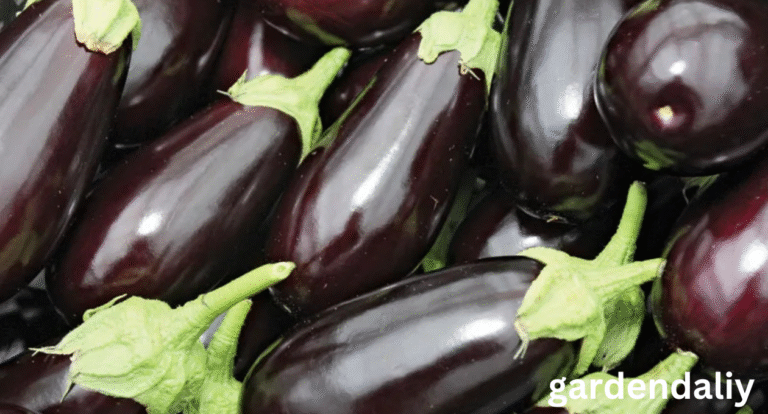
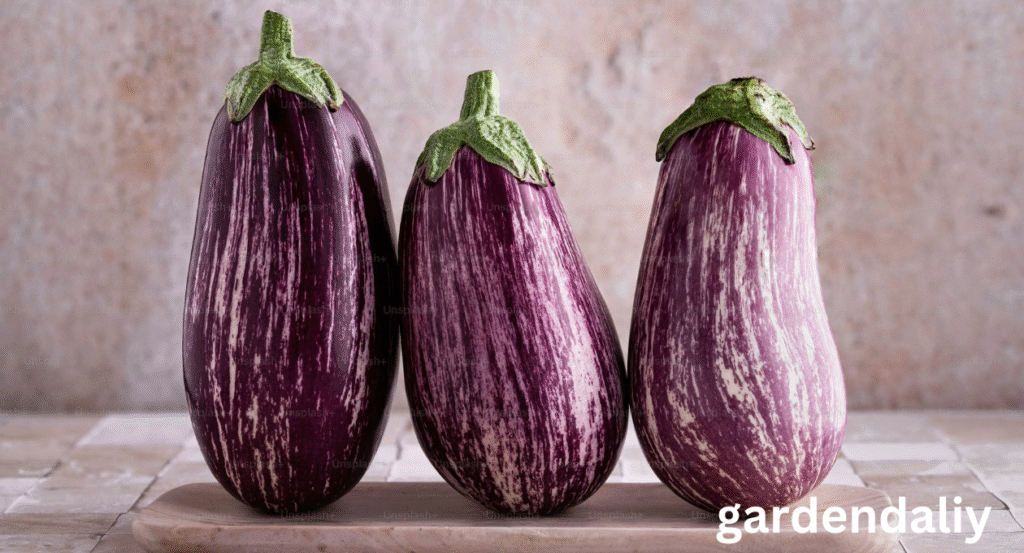
Eggplants—those glossy purple vegetables that add magic to Mediterranean dishes and Asian stir-fries—have become surprisingly hard to find in markets lately. From local grocery stores to high-end restaurants, many are asking: Where have all the eggplants gone? The eggplant shortage has stirred conversations worldwide, affecting both home cooks and commercial kitchens. Let’s dive into what’s behind this unexpected scarcity, how it’s impacting consumers, and what the future might hold.

click in link gardendaliy

Understanding the Eggplant Shortage

The current eggplant shortage didn’t just happen overnight. A combination of weather disruptions, transportation challenges, and increased demand has led to a significant drop in supply. In several major producing regions, including India, Italy, and parts of the United States, unpredictable climate patterns—like heatwaves, droughts, and heavy rainfall—have drastically reduced yields.

In addition, rising fuel prices and global shipping delays have made it harder for farmers to get their produce to market. When you combine limited supply with steady or growing demand, prices inevitably climb, and shortages become more visible to consumers.

The Role of Climate Change

It’s no secret that climate change has thrown agricultural systems into chaos. Eggplants, which thrive in warm but stable climates, are especially vulnerable to temperature swings and excessive rain. Farmers in India, the world’s largest producer of eggplants (known locally as brinjal), report that pest infestations and fungal diseases have surged due to erratic weather.

In Southern Europe, where eggplants are a staple in dishes like ratatouille and moussaka, unseasonal frost and flooding have wiped out large portions of crops. These environmental challenges are making eggplant farming riskier and less predictable than ever before.

Economic and Supply Chain Factors

Beyond the weather, economics plays a crucial role. Fertilizer and seed costs have soared, forcing some small farmers to cut back on planting. Labor shortages in agriculture—exacerbated by post-pandemic migration issues—mean that even the crops that do grow aren’t being harvested efficiently.

Meanwhile, global shipping remains inconsistent. Containers are expensive and in short supply, and perishable goods like eggplants can’t sit in transit for long. As a result, some distributors choose to prioritize hardier produce, leaving eggplants at the bottom of the shipping list.

Impact on Consumers and Restaurants

If you’ve recently tried to buy eggplants, you may have noticed that prices are up and the produce itself might not look as fresh. Restaurants are feeling the pinch even more. Chefs who rely on eggplant-based dishes—like baba ganoush, eggplant parmesan, or Thai green curry—have had to get creative or temporarily remove these dishes from their menus.

Some consumers have turned to frozen or imported varieties, but these alternatives don’t always match the flavor or texture of fresh, locally grown eggplants. For home cooks, it’s frustrating to adjust favorite recipes, but it’s also an opportunity to experiment with substitutes like zucchini, mushrooms, or tofu.

How Farmers Are Adapting

Farmers aren’t sitting idly by. Many are experimenting with more resilient eggplant varieties that can withstand heat and pests better. Others are turning to greenhouse cultivation and hydroponic systems, which allow them to control temperature and water more effectively.

In some regions, agricultural experts are providing training and financial incentives to help farmers adopt sustainable practices—like crop rotation and organic pest management—to improve long-term yields. While these solutions offer hope, they take time to implement and require significant investment.

Looking Ahead: Will the Shortage End Soon?

The good news? Most experts believe the eggplant shortage is temporary. As weather conditions stabilize and new crops are planted, supply is expected to rebound. However, climate unpredictability and global market pressures suggest that such shortages could become more frequent in the future.

Consumers can play their part by supporting local farmers, reducing food waste, and being open to seasonal eating. Choosing alternatives when eggplants are scarce not only helps balance demand but also encourages sustainable consumption habits.

click in link gardendaliy

Conclusion

The eggplant shortage is more than just an inconvenience—it’s a snapshot of the fragile relationship between agriculture, climate, and global trade. From unpredictable weather to economic hurdles, the challenges facing eggplant growers highlight broader issues that affect many crops. While this scarcity may ease in the coming months, it serves as a reminder that the food we love depends on a delicate balance—one that requires collective awareness and action to preserve.

FAQs

1. Why is there an eggplant shortage right now?
Extreme weather conditions, rising farming costs, and supply chain delays have led to reduced availability of eggplants globally.

2. Which countries are most affected?
India, Italy, and parts of the U.S. are experiencing the most noticeable production challenges.

3. How long will the shortage last?
Experts expect improvement within the next few growing cycles, but ongoing climate issues could cause future fluctuations.

4. Are there alternatives to eggplant in recipes?
Yes—zucchini, mushrooms, and tofu can serve as excellent substitutes in many dishes.

5. How can consumers help?
Support local farmers, buy seasonally, and try new vegetables to reduce pressure on global supply chains.