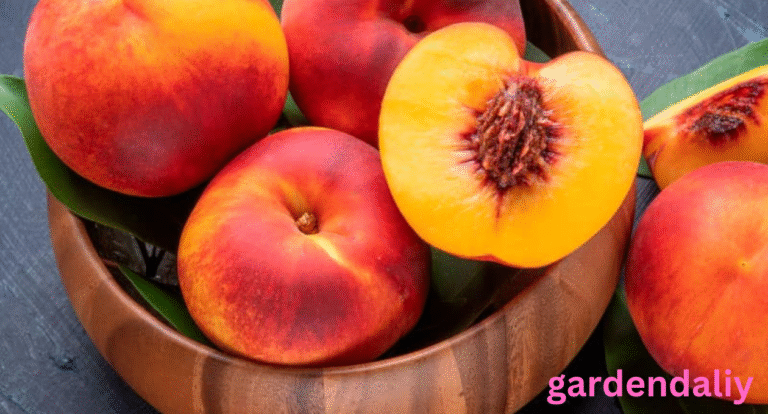
Peaches are one of those fruits that instantly remind people of sunshine, warm days, and sweet summer desserts. From peach pies to smoothies, jams, and cobblers, they show up in homes and markets as soon as the weather warms. But in recent years, shoppers have noticed something worrying: peaches are becoming harder to find, more expensive, and often lower in quantity than usual. This growing peach shortage has raised a lot of questions. Why are peaches suddenly scarce? What’s happening to peach farms? And how long will this shortage last?
click in link purple edible berries
What Is Causing the Peach Shortage?
The peach shortage is not due to just one factor—it’s the result of several challenges that have come together at the same time. Among the biggest are climate issues, unpredictable weather, disease outbreaks, and economic pressures on farmers.
1. Unusual Weather Patterns
Peaches are delicate fruits that require very specific conditions to grow. They need cold winter temperatures to set buds, followed by warm, stable spring weather for the blossoms to flourish. But recent years have brought the opposite—warm winters and sudden spring freezes. These major temperature swings damage peach blossoms before they even have a chance to grow into fruit.
2. Late Frosts and Early Warm Spells
In states like Georgia, South Carolina, and California—major peach producers—a warm early season has caused peach trees to bloom too soon. When a frost unexpectedly follows, the blossoms die off. One frost can wipe out an entire crop, leaving farmers with little to harvest.
3. Drought and Water Shortages
Long periods of drought have put extra stress on peach trees. Peaches need consistent water, especially as the fruit develops. Water scarcity means smaller, fewer, and lower-quality peaches, which contributes to the overall shortage.
Climate Change: The Biggest Factor Behind the Shortage
While weather has always influenced agriculture, climate change has made conditions far more unpredictable. Winter temperatures that should help peach trees rest and prepare for spring are becoming inconsistent. Hotter summers add additional stress to the trees, reducing fruit quality.
States that used to rely on stable seasons are now facing extreme temperature shifts. As climate patterns continue to change, peaches may become even harder to grow in traditional regions.
The Impact on Farmers
For many farmers, peaches aren’t just a crop—they’re a livelihood. A major shortage means financial losses, fewer products to sell at markets, and higher operating costs. Farmers spend months tending to trees only to see the harvest wiped out by a cold snap or drought.
Some peach growers are even considering switching to alternative crops that are more climate-resilient. Unfortunately, this could lead to long-term decreases in peach production nationwide.
How the Peach Shortage Affects Consumers
Shoppers feel the shortage in two major ways: higher prices and limited availability. When supply drops but demand stays high, stores have no choice but to raise prices.
Higher Prices at Grocery Stores
You might have already noticed peaches costing more than usual. This is especially true for organic peaches or special varieties. Importing peaches from other countries is possible but expensive, and transportation costs add even more to the price.
Smaller and Lower-Quality Peaches
When growing conditions aren’t ideal, peaches may be smaller, less juicy, or not as sweet as usual. Some stores simply choose not to carry peaches at all during extremely low-supply seasons.
Peach-Related Products Are Also Affected
It’s not just fresh peaches that are impacted. The shortage has also influenced:
- Canned peaches
- Peach jams and preserves
- Frozen peaches
- Peach-flavored beverages
- Desserts featuring peaches
Factories and restaurants that rely on peaches are paying more for ingredients or cutting back on peach-based items altogether.
Will the Peach Shortage Continue?
Experts say the peach shortage may continue for a few more years, especially if unpredictable weather patterns persist. However, farmers and researchers are exploring solutions, such as:
- Developing more climate-resilient peach varieties
- Improving irrigation systems
- Adjusting planting schedules
- Relocating peach orchards to more stable climates
These efforts may help stabilize peach supplies in the future, but change will take time.
How You Can Cope During the Shortage
While we can’t control the weather, there are simple ways to deal with the shortage as consumers:
1. Buy Local When Possible
Farmers’ markets may have fresher options even during low-supply seasons.
2. Try Frozen or Canned Peaches
These are great substitutes when fresh peaches are unavailable or too expensive.
3. Experiment with Alternative Fruits
Nectarines, apricots, mangoes, or plums can give you a similar flavor or texture in recipes.
Conclusion
The peach shortage is a result of changing weather patterns, climate pressure, and environmental challenges that are making it harder for farmers to produce healthy, abundant peach crops. While peaches may be more expensive or harder to find for a while, this shortage also highlights the need for more sustainable farming methods and greater climate resilience. For now, the best approach is to support local farmers, stay flexible with fruit choices, and appreciate peaches all the more when they do arrive in season.
click in link purple edible berries
FAQs
1. Why is there a peach shortage?
The peach shortage is mainly caused by unusual weather patterns, including warm winters, sudden spring freezes, droughts, and extreme temperature swings. These conditions damage peach blossoms before they grow into fruit, reducing overall harvests.
2. Which states are most affected by the peach shortage?
Major peach-producing states like Georgia, South Carolina, and California have been hit the hardest. These regions rely on stable winter and spring weather, which has become more unpredictable in recent years.
3. Are peaches more expensive because of the shortage?
Yes. When peach supply goes down but demand stays the same, prices naturally rise. Transportation costs and the need to import peaches from other regions also contribute to higher prices.
4. How long will the peach shortage last?
Experts believe the shortage may continue for a few more years, depending on weather conditions and climate patterns. However, new farming methods and climate-resistant peach varieties may improve availability over time.
5. What can I use as a substitute for peaches?
If peaches are too expensive or unavailable, you can replace them with nectarines, apricots, mangoes, plums, or even canned or frozen peaches. These alternatives work well in most recipes.