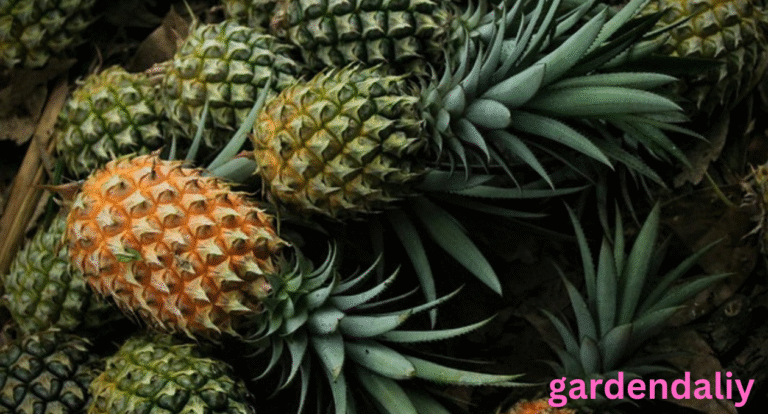
If you’ve walked into a grocery store lately and noticed fewer pineapples on the shelves—or shockingly high prices—you’re not imagining things. A real global pineapple shortage is unfolding, and it’s affecting farmers, food companies, and everyday shoppers around the world. Pineapples have always been a reliable tropical fruit, easily available year-round, but 2024–2025 changed that dramatically. So, what exactly is going on? And more importantly, when will it end?
Let’s break it all down.
What’s Causing the Global Pineapple Shortage?
The current shortage isn’t the result of a single problem—it’s a perfect storm of several major issues happening at the same time.
1. Climate Change Is Hitting Pineapple Farms Hard
Pineapples grow best under stable tropical conditions. But in recent years, growers in major regions like Costa Rica, the Philippines, and Thailand have faced unpredictable weather patterns. Heat waves, unusually heavy rain, and extended droughts have disrupted the natural growth cycle of pineapple plants.
Farmers are reporting:
- Lower fruit quality
- Smaller sizes
- Decreased sweetness
- Plants dying before producing fruit
Because pineapples take 18–24 months to grow, one bad season can affect supply for years.
2. Supply Chain Disruptions Aren’t Helping
Even when pineapples are successfully harvested, getting them from farms to global markets has become more complicated. Rising fuel prices, delays in shipping routes, and limited cargo space mean fewer pineapples are making it to grocery stores.
The result? Higher costs, longer waiting times, and reduced availability.
3. Pest and Disease Outbreaks
Warmer climates have led to an increase in pests like mealybugs and fruit-boring moths. These pests destroy pineapple crowns and affect overall fruit quality. Many farmers aren’t equipped with the tools to fight these outbreaks, making the problem even worse.
Where Is the Shortage Felt the Most?
Although the shortage is global, some regions feel the pressure more than others.
North America & Europe
These areas depend heavily on imported pineapples. When exporting countries reduce shipments, prices immediately skyrocket. Some stores have even placed limits on purchases.
Asia
Countries like Japan and South Korea rely on pineapples from the Philippines and Thailand, both of which have reported significantly lower output.
How the Pineapple Shortage Affects You
You might think a fruit shortage isn’t a big deal—but the ripple effects are everywhere.
1. Higher Grocery Prices
Fresh pineapples are now 20–40% more expensive in some markets. And it’s not just whole fruit—canned pineapple, frozen pineapple, and pineapple juice have all jumped in price.
2. Menu Changes at Restaurants
From pizza toppings to tropical cocktails, pineapple plays a big role in the food service industry. Some restaurants have already:
- Switched to lower-quality fruit
- Reduced portion sizes
- Increased menu prices
Your favorite piña colada? It might cost more this summer.
3. Food Manufacturing Slowdowns
Companies that make juices, fruit cups, yogurts, jams, and snacks are dealing with limited supply. Some have paused production temporarily or reformulated products to use less pineapple.

Are Farmers Able to Keep Up With Demand?
Unfortunately, no. Farmers are facing rising costs for fertilizer, transport, and labor. And because pineapples require such a long growing period, they can’t simply plant more to meet sudden demand spikes.
Many tropical farmers are also shifting to more reliable crops like bananas and papayas. This means the pineapple shortage could last longer than expected.
Can the Pineapple Industry Recover?
The good news is that recovery is possible, but it won’t be immediate.
Experts predict:
- Supply might stabilize within 12–24 months
- New farming technologies could improve yields
- Climate-resilient pineapple varieties are being tested
Farmers and exporters are already working on better irrigation, improved pest control, and more sustainable farming systems.
But until these solutions scale, consumers should expect intermittent shortages and higher prices.
How You Can Adapt During the Shortage
Here are some practical tips to help you handle the ongoing shortage:
- Choose alternatives: Mango, papaya, and peaches work well in smoothies and desserts.
- Buy frozen or canned: These options may still be available even when fresh isn’t.
- Reduce waste: Use every part of the pineapple—even the core, which is great for juices.
- Support local farmers: If you live in a region where pineapples grow, buying local helps stabilize the market.
Conclusion
The global pineapple shortage has become more than just a temporary inconvenience—it’s a clear signal of how deeply connected our food systems are to climate, trade, and agricultural sustainability. From extreme weather destroying crops to supply chain disruptions slowing shipments, every part of the pineapple’s journey has faced unexpected challenges. As a result, consumers around the world are seeing fewer pineapples on shelves, higher prices, and changes in the products they buy every day.
But there is hope. Farmers, researchers, and food companies are already working on solutions, including improved farming techniques, climate-resilient pineapple varieties, and more dependable distribution networks. While recovery may take time, awareness of the issue helps us make smarter choices—whether by supporting sustainable brands, reducing food waste, or choosing alternatives when pineapple supplies are tight.
The shortage reminds us that even a fruit as simple and sweet as pineapple depends on a complex global system. By understanding the challenges and supporting positive change, we can help ensure a more stable and sustainable supply in the future.
FAQs
1. Why is there a pineapple shortage right now?
The shortage is mainly caused by climate change, extreme weather, reduced crop yields, supply chain issues, and increased global demand. Combined, these factors have created a significant drop in pineapple availability.
2. Which countries are most affected?
Regions that rely heavily on pineapple imports—such as the United States, Canada, Japan, and many European nations—are experiencing the biggest impacts, including higher prices and limited supply.
3. Are pineapple prices expected to rise more?
Yes, prices may continue to remain high or even increase until production stabilizes. Seasonal changes and shipping conditions can also influence pricing.
4. How long will the pineapple shortage last?
Experts predict it may take 12–24 months for supply to fully recover, depending on weather patterns, farming conditions, and global logistics improvements.
5. What can consumers do during the shortage?
Consumers can explore alternatives like mango, papaya, or peach, buy frozen or canned pineapple when available, reduce food waste, and support sustainable brands and local farmers.