
Purple edible berries have captured the attention of nutritionists, chefs, and health-conscious eaters around the world. Their striking color, delightful flavor, and incredible health benefits make them among the most cherished fruits in nature. Whether found in backyards, forests, or local markets, these vibrant berries offer far more than just visual appeal—they’re loaded with antioxidants, vitamins, and nutrients that support overall well-being.
click in link fruits that look like mango
What Makes Purple Berries So Special?
The deep, rich color of purple berries comes from anthocyanins, a type of antioxidant that plays a powerful role in protecting the body from oxidative stress. These natural pigments help reduce inflammation, support heart health, and may even protect the brain from age-related decline. Studies suggest that foods rich in anthocyanins can improve memory, lower blood pressure, and strengthen immune function.
Beyond their health benefits, purple berries also provide a wide range of flavors—sweet, tart, earthy, or floral—making them versatile ingredients in countless dishes.
Popular Types of Purple Edible Berries
Purple berries come in many varieties, each with unique properties and uses. Here are some of the most widely enjoyed and beneficial:
1. Blueberries
Although they appear more blue than purple, blueberries belong to the anthocyanin-rich berry family. They’re known for supporting cognitive health, improving heart function, and boosting immunity. Their mild sweetness and versatility make them a favorite in cereals, smoothies, and baked goods.
2. Blackberries
Blackberries offer a juicy burst of flavor along with high levels of vitamins C and K. Their bold taste works well in jams, pies, salads, and even savory sauces. With their strong antioxidant content, they are especially good for skin health and digestion.
3. Elderberries
Elderberries are famous for their immune-strengthening effects, especially during cold and flu season. They’re typically used in syrups, teas, and supplements. However, they should never be eaten raw, as uncooked elderberries and their leaves contain harmful compounds.
4. Açai Berries
Native to South America, açai berries are rich in healthy fats and antioxidants. Often sold frozen or powdered, they’re perfect for smoothie bowls and desserts. Their earthy, slightly chocolate-like flavor sets them apart from most berries.
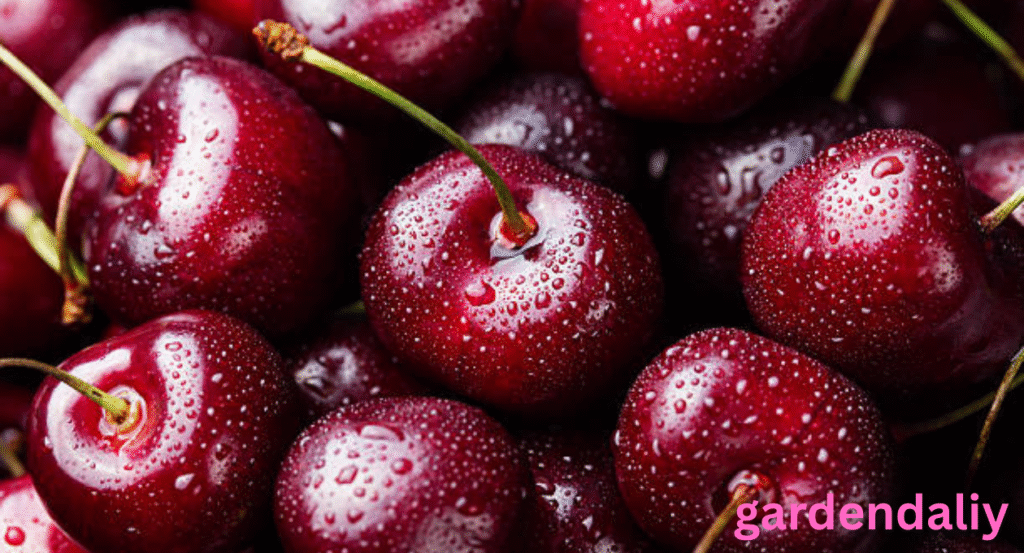
5. Huckleberries
Resembling blueberries but with a more intense taste, huckleberries grow in mountainous regions and are prized for their rich flavor. They’re often used in pies, jams, and specialty sauces.
6. Boysenberries
A hybrid of raspberries and blackberries, boysenberries offer a tender texture and a tangy-sweet flavor. They’re rich in vitamin C and manganese, making them both delicious and nutritious.
Health Benefits of Purple Edible Berries
Purple berries are celebrated as superfoods for their exceptional nutritional profiles. Here are some of the major health benefits they deliver:
Rich in Antioxidants
Anthocyanins fight free radicals, helping prevent cell damage and lowering the risk of chronic diseases. These antioxidants also contribute to glowing skin and improved energy levels.
Improved Heart Health
Regular consumption of purple berries has been linked to lower blood pressure, reduced arterial stiffness, and improved cholesterol levels.
Supports Brain Function
Blueberries and blackberries, in particular, have been shown to enhance memory, concentration, and cognitive performance. They may slow age-related decline by protecting brain cells from oxidative stress.
Boosts Immunity
With high levels of vitamin C and other immune-supporting compounds, purple berries help strengthen the body’s defenses. Elderberries are especially powerful in this area due to their antiviral properties.
Supports Digestion
Rich in fiber, purple berries aid digestion, regulate bowel movements, and promote a healthy gut microbiome.
Weight-Friendly Nutrients
Low in calories yet packed with vitamins and fiber, these berries make an excellent addition to weight management plans.
How to Use Purple Berries in Your Daily Diet
Adding purple berries to your meals is easy and delicious. Here are some creative ways to enjoy them:
1. Smoothies & Smoothie Bowls
Blend blueberries, blackberries, or açai with yogurt or plant-based milk to create a nutritious, antioxidant-rich breakfast.
2. Baked Goods
Incorporate berries into muffins, cakes, tarts, pies, or breads. They add natural sweetness and moisture.
3. Salads
Mix fresh berries with leafy greens, nuts, cheese, and vinaigrettes for a refreshing twist.
4. Sauces & Syrups
Cook berries into sauces for meats, desserts, or pancakes. Elderberry syrup is a popular immune booster.
5. Oatmeal & Yogurt
Berries pair perfectly with oats, chia pudding, granola, and Greek yogurt.
6. Frozen Treats
Freeze berries to use in smoothies, popsicles, or homemade sorbets.
Growing Purple Berries at Home
If you love fresh berries, consider growing your own. Many purple berry plants are relatively easy to cultivate.
Tips for Growing Success:
- Plant in well-draining soil with plenty of sunlight
- Water regularly and mulch to retain moisture
- Protect berries with netting to keep birds away
- Prune plants annually to promote new growth
- Choose varieties suited to your climate zone
Homegrown berries not only taste fresher but also reduce your grocery costs and exposure to pesticides.

Safety Tips When Foraging Wild Berries
Not all purple berries found in nature are edible. Some can be harmful or toxic.
Stay safe with these guidelines:
- Only eat wild berries you can confidently identify
- Avoid berries from unknown plants
- Consult field guides or experts when foraging
- Never consume raw elderberries
- When unsure, it’s best to leave them alone
Conclusion
Purple edible berries are among nature’s most powerful superfoods, offering a unique combination of flavor, nutrition, and health benefits. Rich in anthocyanins, fiber, and essential vitamins, they support heart health, brain function, immunity, and digestion. From blueberries to elderberries, each type brings something special to the table. Whether eaten fresh, blended into smoothies, baked into desserts, or used in homemade syrups, purple berries provide a simple and delicious way to enhance your daily diet. By choosing high-quality sources or growing your own, you can enjoy their vibrant color and impressive wellness benefits all year long.
click in link fruits that look like mango
FAQs
1. What makes purple berries so nutritious?
Their deep color comes from anthocyanins, powerful antioxidants that help reduce inflammation, support heart health, and protect cells from damage.
2. Which purple berries are safe to eat raw?
Blueberries, blackberries, boysenberries, huckleberries, and purple grapes are safe to eat raw. Elderberries must be cooked before consumption.
3. Are purple berries good for weight loss?
Yes. They are low in calories, high in fiber, and packed with nutrients, making them ideal for weight management and healthy snacking.
4. Can purple berries improve brain health?
Research suggests that berries like blueberries and blackberries may boost memory, enhance focus, and slow cognitive decline due to their antioxidant compounds.
5. How can I use purple berries in cooking?
You can add them to smoothies, oatmeal, yogurt, salads, baked goods, sauces, syrups, and desserts. They pair well with both sweet and savory dishes.